

Key Takeaways
- Natural gas ETFs offer multiple ways to capitalize on 2026’s expected LNG export growth and weather-driven volatility. For most investors, equity-focused funds like First Trust Natural Gas ETF and SPDR S&P Oil & Gas Exploration & Production ETF provide steadier, longer-term exposure through cash-flowing producers, while futures-based United States Natural Gas Fund and leveraged products such as ProShares Ultra Bloomberg Natural Gas or ProShares UltraShort Bloomberg Natural Gas are better suited for short-term tactical trades.
What Are Natural Gas ETFs?
Natural gas ETFs are exchange-traded funds that allow investors to gain exposure to natural gas prices without directly trading futures contracts. These funds either track natural gas commodities through futures or invest in companies involved in natural gas production and exploration.
The popularity of natural gas ETFs has increased significantly because they provide easier access to one of the world’s most volatile energy markets through a regular brokerage account.
However, not all natural gas ETFs work the same way. Some track front-month natural gas futures contracts, while others own shares of upstream energy companies that benefit from rising gas prices indirectly through higher revenues and cash flow.

Image Source: Magnific
Natural gas ETFs generally fall into three categories:
Futures-Based Natural Gas ETFs
These ETFs directly track NYMEX natural gas futures contracts and react closely to daily commodity price movements.
Popular examples include:
United States Natural Gas Fund (UNG)
ProShares Ultra Bloomberg Natural Gas (BOIL)
ProShares UltraShort Bloomberg Natural Gas (KOLD)
Equity-Based Natural Gas ETFs
These funds invest in natural gas producers and exploration companies rather than futures contracts.
Examples include:
First Trust Natural Gas ETF (FCG)
SPDR S&P Oil & Gas Exploration & Production ETF (XOP)
Leveraged & Inverse Natural Gas ETFs
These ETFs amplify daily price movements and are mostly used by active traders.
BOIL targets +2x daily exposure
KOLD targets -2x daily exposure
How Do Natural Gas ETFs Work?
Natural gas ETFs function differently depending on whether they hold futures contracts or company shares. Understanding this distinction is critical because ETF structure has a major impact on long-term performance.
Futures-based ETFs attempt to track short-term movements in natural gas prices by rolling futures contracts forward each month. This creates direct commodity exposure but also introduces structural issues such as contango and roll decay.
Equity-based ETFs behave differently. Instead of following gas prices directly, they benefit when higher natural gas prices improve producer profitability, free cash flow, and shareholder returns.
The biggest differences include:
ETF Structure | How It Works | Main Risk |
|---|---|---|
Futures ETFs | Track NYMEX gas futures | Contango & roll decay |
Equity ETFs | Hold natural gas producers | Operational/company risk |
Leveraged ETFs | Amplify daily moves | Volatility & compounding decay |
For long-term investors, understanding these structural differences matters more than simply predicting whether gas prices will rise or fall.
Why Natural Gas ETFs Are Gaining Attention in 2026
Natural gas is becoming increasingly important in global energy markets due to rising LNG demand, electricity consumption growth, and tighter global supply chains. Unlike oil, natural gas prices can move aggressively within days based on weather forecasts, storage data, and export demand.
This volatility is attracting both long-term investors and short-term traders.
In 2026, several macroeconomic factors are supporting bullish interest in natural gas ETFs.
LNG Export Expansion
The United States continues expanding LNG export capacity, linking domestic natural gas prices more closely to international demand from Europe and Asia.
As exports increase:
Domestic inventories tighten faster
Price sensitivity rises
Supply disruptions become more impactful
AI and Data Center Energy Demand
Artificial intelligence infrastructure is increasing electricity consumption globally. Many U.S. power grids still rely heavily on natural gas generation, creating a long-term structural demand tailwind.
Weather-Driven Volatility
Natural gas remains highly weather-sensitive.
Major catalysts include:
Winter heating demand
Summer cooling demand
Arctic weather systems
Hurricane disruptions
Even minor forecast revisions can trigger large short-term price swings.
Producer Capital Discipline
Unlike previous commodity cycles, many producers are prioritizing:
Free cash flow
Dividend growth
Share buybacks
Debt reduction
This disciplined supply growth environment is supporting long-term pricing stability.
Top 5 Best Natural Gas ETFs for 2026
The five most actionable ETFs separate into three strategic buckets: direct futures exposure, producer equities, and leveraged trading tools.
Natural Gas ETFs Comparison (2026)
ETF | Type | Expense Ratio | AUM | Yield | Best For |
UNG | Futures | 1.24% | ~ $500 million | N/A | Short-term trading, tactical speculation, and hedging |
FCG | Equity (Producers) | 0.57% | ~ $590 million | ~ 2.6% | Long-term exposure to natural gas producers and infrastructure |
BOIL | +2x Leveraged Futures | 0.95%. | ~ $360 million | N/A | Short-term tactical traders |
KOLD | -2x Inverse Futures | 0.95%. | ~ $350 million | N/A | Experienced, short-term tactical traders |
XOP | E&P Equity | 0.35% | ~ $2.50 billion | ~2.4% | Broad upstream exposure |
1. United States Natural Gas Fund (UNG)
The United States Natural Gas Fund is the most widely recognized pure-play natural gas ETF. It tracks near-month NYMEX natural gas futures contracts and provides direct exposure to daily price movements.
UNG is commonly used by traders during periods of:
Weather volatility
Storage report releases
LNG disruptions
Supply shocks
Because of its direct commodity exposure, UNG tends to react quickly to market sentiment.
However, investors should understand that UNG is heavily affected by contango. When futures contracts trade above spot prices, the ETF loses value over time as contracts are rolled forward monthly.
Key Advantages of UNG
Strong correlation with spot natural gas prices
High trading liquidity
Useful for tactical exposure
Effective short-term trading instrument
Main Risks
Contango decay
Extreme volatility
Weak long-term holding efficiency
UNG is generally better suited for short-duration positioning rather than buy-and-hold investing.
2. First Trust Natural Gas ETF (FCG)
FCG is one of the most popular long-term natural gas ETFs because it owns energy producers rather than futures contracts. This structure helps investors avoid the roll decay issues associated with commodity-based funds.
The ETF includes companies such as:
EQT Corporation
Coterra Energy
ConocoPhillips
Occidental Petroleum
These companies benefit when higher natural gas prices improve earnings and cash flow generation.
Unlike futures ETFs, FCG can also provide:
Dividend income
Shareholder returns
Operational leverage
Multi-year compounding potential
Why Investors Prefer FCG
FCG tends to be less volatile than pure futures-based products while still benefiting from rising natural gas prices.
Its main advantages include:
Lower structural decay risk
Long-term investment suitability
Exposure to producer cash flows
Dividend potential
Risks to Consider
Producer ETFs still face:
Commodity downturns
Operational execution risk
Hedging limitations
Management quality concerns
For long-term investors seeking natural gas exposure, FCG is often considered one of the most balanced options available.
3. ProShares Ultra Bloomberg Natural Gas (BOIL)
BOIL is a leveraged ETF designed to deliver approximately twice the daily return of natural gas futures.
This means:
If gas rises 10% in one day, BOIL may rise roughly 20%
If gas falls sharply, losses are also amplified
BOIL is extremely popular during periods of high volatility because natural gas can move aggressively within short timeframes.
Why Traders Use BOIL
BOIL is commonly traded during:
Winter demand spikes
Weather-driven rallies
Supply disruptions
Short squeezes
The ETF can produce substantial short-term gains during momentum-driven moves.
Why BOIL Is Risky Long-Term
BOIL resets daily, which creates compounding effects that can reduce returns over time. Even if natural gas moves sideways overall, volatility itself can gradually erode value.
Key risks include:
Leverage decay
High volatility
Daily compounding distortion
BOIL is designed for experienced short-term traders, not passive investors.
4. ProShares UltraShort Bloomberg Natural Gas (KOLD)
KOLD provides inverse leveraged exposure to natural gas futures. It is designed to rise when natural gas prices decline.
The ETF is commonly used during periods of:
Warm winter forecasts
Weak demand
Oversupply conditions
Large inventory builds
Like BOIL, KOLD is intended for tactical trading rather than long-term investing.
Why KOLD Gains Popularity
Natural gas markets frequently experience violent downside corrections. Traders use KOLD to capitalize on bearish momentum or hedge existing long exposure.
Main Risks of KOLD
Because KOLD resets daily, long-term performance can diverge significantly from expected inverse returns.
Major risks include:
Daily reset decay
Volatility drag
Compounding losses during choppy markets
KOLD should generally be used only for short-term bearish positioning.
5. SPDR S&P Oil & Gas Exploration & Production ETF (XOP)
XOP provides diversified exposure to exploration and production companies across the broader U.S. energy sector. While it is not a pure natural gas ETF, many of its holdings produce significant amounts of natural gas alongside oil.
This diversified structure helps reduce concentration risk while still benefiting from stronger commodity pricing.
Why Investors Like XOP
XOP uses an equal-weight structure, preventing mega-cap dominance and creating broader exposure across the upstream sector.
Its advantages include:
Lower expense ratio
Broad energy diversification
Exposure to both oil and natural gas
Strong participation during commodity bull cycles
Main Drawbacks
Because XOP is not purely focused on natural gas, it may underperform pure-play gas ETFs during periods where gas significantly outperforms oil.
Still, for investors seeking broader upstream exposure, XOP remains one of the strongest energy ETFs available.
Futures-Based vs Equity-Based Natural Gas ETFs
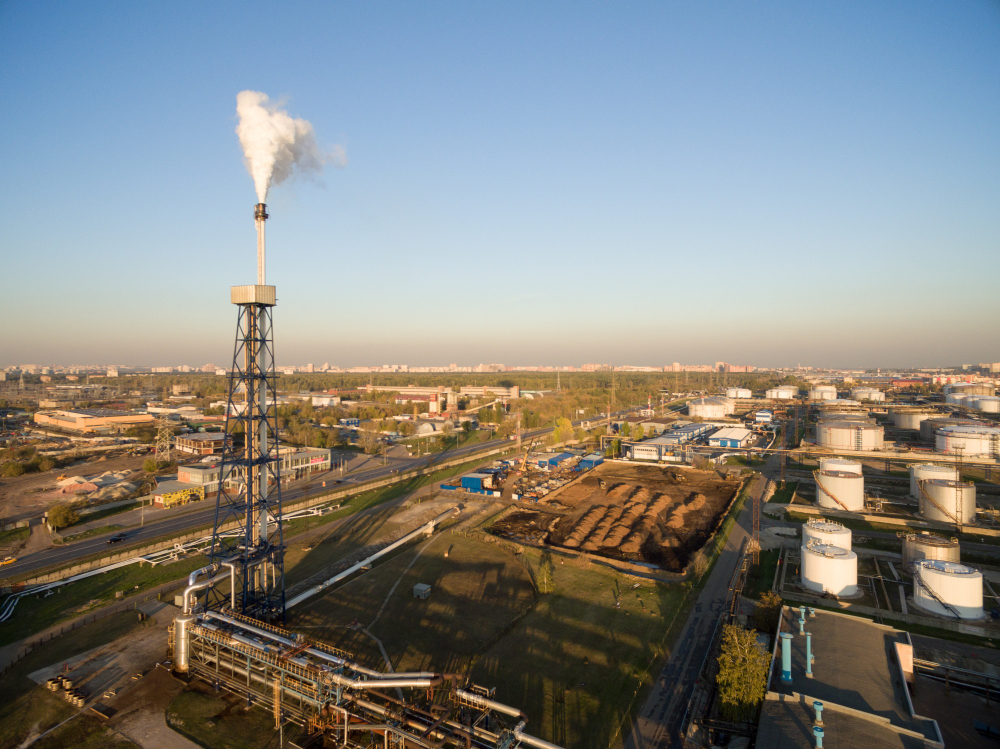
Image Source: Magnific
One of the biggest mistakes investors make is assuming all natural gas ETFs behave the same way. In reality, futures-based ETFs and equity-based ETFs can produce very different long-term results even when natural gas prices move in the same direction.
Futures-based ETFs such as UNG are designed to track short-term natural gas price movements through NYMEX futures contracts. These funds react quickly to weather forecasts, storage reports, and supply disruptions, making them popular among short-term traders looking for direct commodity exposure.
However, futures ETFs also come with structural risks. During periods of contango, where future contracts trade above spot prices, the process of rolling contracts forward can steadily reduce returns over time. This makes futures ETFs highly volatile and often inefficient for long-term holding periods.
Equity-based ETFs like FCG and XOP work differently because they invest in natural gas producers rather than futures contracts. Instead of tracking daily commodity prices directly, these funds benefit when higher gas prices improve company earnings, free cash flow, and shareholder returns.
Many producer ETFs also provide dividend income and tend to experience less structural decay compared to futures-based products. While they still face risks tied to operational performance, management decisions, and commodity cycles, they are generally considered more sustainable for long-term investors seeking exposure to the natural gas sector.
For most investors with a multi-year horizon, equity-based natural gas ETFs tend to provide a more balanced risk-reward profile, while futures-based ETFs are better suited for short-term tactical trading strategies.
Risks of Investing in Natural Gas ETFs
Natural gas ETFs can deliver strong returns during periods of rising energy demand and supply tightness, but they also come with significant volatility. Prices can move sharply based on weather forecasts, storage data, LNG exports, and broader energy market sentiment. Because of this, investors should understand the major risks before investing in the sector.
One of the biggest risks in futures-based ETFs like UNG is contango. This happens when future natural gas contracts trade above spot prices, forcing ETFs to roll contracts forward at higher costs. Over time, this can reduce returns even if gas prices remain stable.
Leveraged ETFs such as BOIL and KOLD carry even higher risk because they reset daily. These funds are designed for short-term trading and can lose value quickly during volatile sideways markets.
Some key risks include:
Contango Risk: Common in futures-based ETFs and can erode long-term returns.
High Volatility: Natural gas prices react aggressively to weather and storage reports.
Leverage Decay: BOIL and KOLD may underperform over longer holding periods due to daily compounding.
Producer Risk: Equity ETFs like FCG and XOP depend on company performance, drilling costs, and management decisions.
Market Sensitivity: LNG demand, geopolitical tensions, and pipeline disruptions can create sudden price swings.
Because natural gas remains one of the most volatile commodity markets, many investors keep their exposure limited and prefer equity-based ETFs for long-term positions.
Conclusion
Natural gas ETFs provide investors with multiple ways to gain exposure to one of the most volatile and opportunity-rich areas of the energy market.
Futures-based products like UNG offer direct exposure to commodity prices but come with structural risks such as contango and roll decay. Leveraged ETFs like BOIL and KOLD amplify short-term price movements and are primarily designed for tactical trading.
For most long-term investors, equity-focused ETFs such as FCG and XOP provide a more balanced approach through producer cash flow, dividends, and operational leverage tied to rising natural gas prices.
The most important factor is not simply predicting whether natural gas will rise or fall. The structure of the ETF itself often determines long-term investment outcomes.
FAQs
What is the best natural gas ETF for beginners?
FCG is generally considered more suitable for beginners because it avoids futures roll decay and provides exposure to cash-flow-generating producers.
Is UNG a good long-term investment?
UNG is usually better for short-term trading because contango can reduce long-term returns significantly.
What is the difference between BOIL and UNG?
UNG tracks natural gas futures directly, while BOIL provides leveraged 2x daily exposure to those futures.
Why are natural gas ETFs so volatile?
Natural gas prices react quickly to weather forecasts, storage reports, LNG demand, and supply disruptions.
Which natural gas ETF pays dividends?
Producer-focused ETFs like FCG and XOP may provide dividend income because they hold energy companies.

Comments