


Key Takeaways
- Crude oil prices are a key driver of inflation, economic growth, and market performance. Major events such as the OPEC embargo, shale revolution, COVID-19 crash, and Russia-Ukraine conflict have significantly influenced oil markets over time. While U.S. shale has reduced OPEC's pricing power, oil remains highly sensitive to supply disruptions, geopolitical events, and changing global energy demand. For investors, oil prices often serve as an early indicator of broader economic trends.
Crude oil is not just another commodity. Energy value chains form the most important pricing mechanisms in the global economy. From the 1973 OPEC embargo to the negative WTI futures event in 2020 and the Russia-Ukraine price spike in 2022, major oil cycles have repeatedly changed inflation, interest rates, and investor behavior. Oil influences transportation, manufacturing, chemicals, agriculture, and government policy. That makes crude oil price trends essential for investors across every asset class, not just energy stocks.
This article explains how crude oil price trends work, what caused the biggest historical price cycles, how oil prices affect inflation and GDP, why the U.S. shale revolution changed the market, and what the energy transition means for long-term investing.
Crude Oil Price: the Global Economy’s Pressure Gauge
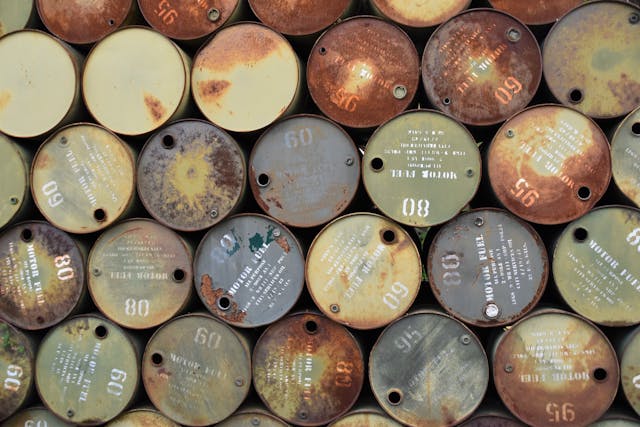
Image source: Pexels
Crude oil price trends refer to the long-term movement of benchmark oil prices such as West Texas Intermediate (WTI) and Brent crude.
These trends are driven by three forces: supply, demand, and geopolitics.
Supply changes come from OPEC+ production decisions, U.S. shale output, sanctions, wars, and refinery disruptions.
Demand changes come from economic growth, industrial activity, airline travel, and seasonal consumption.
Geopolitical shocks, such as the Gulf War or Russia’s invasion of Ukraine, can move prices rapidly even before physical supply changes.
For investors, crude oil prices matter because they affect inflation expectations, Federal Reserve policy, corporate margins, and sector rotation across public markets.
Historical Oil Price Trends and Market Impact
Crude oil prices do not move randomly. Every major spike or collapse has been tied to wars, supply disruptions, economic booms, or major technological shifts, and each one has left a lasting mark on global markets.
1973–1974: The OPEC Oil Embargo
Arab OPEC members restricted exports to the United States and Western Europe during the Yom Kippur War. Oil prices jumped from roughly $3 to $12 per barrel. This triggered stagflation, high inflation combined with weak growth, and permanently changed energy policy across OECD economies.
2003–2008: The Commodity Super Cycle
WTI rose from about $25 per barrel to $147.27 in July 2008. Rapid demand growth from China and India, combined with years of underinvestment in upstream oil and gas industry, created the strongest sustained oil rally in modern history. It was famously called a potential “super spike.”
2010–2014: The U.S. Shale Revolution
Hydraulic fracturing and horizontal drilling transformed the Permian Basin, Eagle Ford, and Bakken. According to the U.S. Energy Information Administration (EIA), U.S. crude production more than doubled from around 5 million barrels per day in 2008 to over 9 million by 2014. This created a new price-responsive supply source and reduced OPEC’s pricing power.
2020: Negative WTI Futures
On April 20, 2020, WTI futures fell to a negative $37.63 per barrel. COVID-19 lockdowns destroyed demand while storage at Cushing, Oklahoma, filled rapidly. This was partly a futures contract event, but it reflected real demand destruction on a historic scale.
2022: Russia-Ukraine Price Spike
WTI surged above $120, and Brent approached $130 per barrel after Russia invaded Ukraine. The market priced in supply risk tied to one of the world’s largest oil exporters. Strategic Petroleum Reserve (SPR) releases helped stabilize prices, but inflation pressure spread globally.
How Do Crude Oil Price Trends Affect the Economy?
Oil prices directly affect inflation and consumer spending through four main channels. These channels are gasoline, diesel, jet fuel, plastics, fertilizers, and logistics costs. Crude oil typically represents the largest share of retail gasoline prices. When WTI rises, households pay more at the pump, and businesses face higher transport costs.
For you as an investor, this often means weaker consumer discretionary spending and stronger inflation expectations.
GDP Growth and Corporate Margins
The International Monetary Fund (IMF) estimates that a sustained $10 per barrel increase in oil prices can reduce global GDP growth by roughly 0.2–0.3 percentage points in the first year (IMF analysis). Airlines like Delta Air Lines, chemical producers like Dow, and transport-heavy industries feel margin pressure quickly. Oil exporters like Saudi Arabia and the UAE benefit from stronger fiscal revenues.
Currency Markets and Petrodollar Flows
Because oil is priced in U.S. dollars, large price moves create major capital flows. Oil exporters accumulate dollar surpluses and recycle them through sovereign wealth funds such as Norway’s Government Pension Fund Global and Saudi Arabia’s Public Investment Fund. Oil-importing countries like India and Turkey often face currency pressure when oil prices rise.
Government Budgets
Oil-exporting governments depend heavily on petroleum revenues. Falling prices create budget deficits, spending cuts, and borrowing pressure. Saudi Arabia’s response to the 2014–2016 oil collapse helped accelerate Vision 2030, its diversification strategy beyond oil.
How Did the U.S. Shale Revolution Change Crude Oil Price Trends?
The U.S. shale revolution created a natural price ceiling of sorts. Before shale, supply growth was slow. Large projects often took five to ten years to move from discovery to production. Shale changed that.
Permian Basin producers such as Diamondback Energy, Devon Energy, and ConocoPhillips can respond to price signals much faster. When WTI rises above roughly $70–$75 per barrel, drilling activity usually accelerates.
Baker Hughes rig count data is one of the best leading indicators for this response. This has created a practical ceiling for sustained oil rallies. OPEC can still move prices, but high prices now encourage rapid U.S. supply growth that limits upside. That is why investors today evaluate both OPEC+ decisions and U.S. shale productivity together, not separately.
Emerging Market Vulnerability to Crude Oil Price Trends
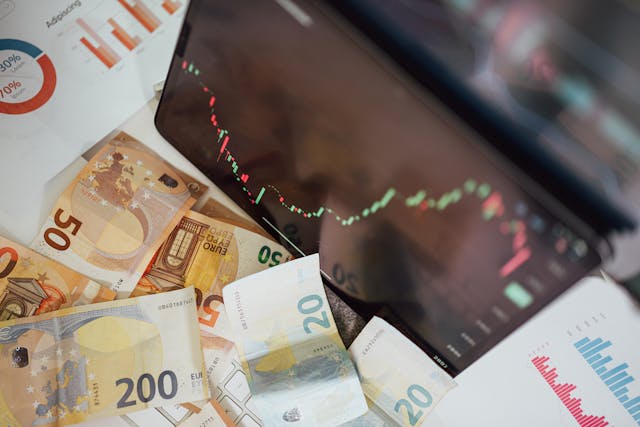
Image Source: Pexels
For emerging markets, rising oil prices can quickly become an economic crisis. Higher import bills, weaker currencies, and rising fuel subsidy costs create pressure that spreads across the entire economy. Countries like India, Indonesia, Turkey, and Egypt face stronger pressure from oil spikes for three reasons.
First, they are more energy-intensive economies. Manufacturing and industrial output consume more fuel than service-led economies.
Second, many governments subsidize fuel prices. Higher oil means larger fiscal burdens and difficult political decisions.
Third, most are net oil importers. Rising import bills weaken currencies, which makes inflation worse because crude oil is dollar-denominated.
This combination can trigger broader balance-of-payments stress, especially during prolonged oil rallies.
Will the Energy Transition Change Long-Term Crude Oil Price Trends?
The energy transition is adding a new layer of uncertainty to oil markets. As electric vehicles and renewables grow, investors must weigh short-term supply shortages against the long-term possibility of declining oil demand.
BloombergNEF reported approximately 14 million EV sales globally in 2023, with China leading adoption. EV growth reduces gasoline demand, but global oil demand still remains above 100 million barrels per day.
In the short term, reduced upstream investment by ExxonMobil, Chevron, Shell, and BP may tighten supply before demand meaningfully falls. That creates a paradox: long-term demand may weaken while short-term prices stay high because supply growth is too slow. For investors, this means volatility, not a straight-line decline.
Conclusion
Crude oil price trends are one of the most reliable signals for understanding inflation, economic cycles, and investment risk. Every major oil shock, from the OPEC embargo to the shale revolution and the COVID collapse, has changed markets far beyond the energy sector. Oil prices influence interest rates, government spending, currency stability, and equity performance across industries.
The U.S. shale revolution reduced OPEC’s pricing control, but it did not eliminate volatility. Emerging markets remain highly exposed, and the energy transition adds a new layer of uncertainty that neither the IEA nor OPEC fully agrees on.
As an investor, the goal is not to predict every oil move. It is to understand what rising or falling crude prices usually signal. Oil is often the warning light before broader market shifts appear elsewhere.
FAQs
What are the major historical crude oil price trends?
Major crude oil price cycles include the 1973 OPEC embargo, the 2008 oil price surge, the 2020 negative WTI event, and the 2022 Russia-Ukraine price spike. These events significantly affected inflation, economic growth, and global markets.
How do rising crude oil prices affect the economy?
Higher oil prices increase fuel, transportation, and manufacturing costs, which can drive inflation higher and slow economic growth. They may also lead to higher interest rates and reduced consumer spending.
How did the U.S. shale revolution change crude oil price trends?
The U.S. shale revolution boosted domestic oil production through advanced drilling techniques, making supply more responsive to price changes. This reduced OPEC’s influence and helped limit prolonged price spikes.
Why are emerging markets more vulnerable to crude oil price spikes?
Many emerging economies rely heavily on imported oil. Rising oil prices increase import costs, weaken currencies, and fuel inflation, creating additional pressure on economic growth.
How will the energy transition affect long-term crude oil price trends?
Growing adoption of electric vehicles and renewable energy may reduce long-term oil demand. However, limited investment in new oil production could keep prices volatile in the near term.

Comments