


Key Takeaways
- Oil and gas drilling significantly impacts the environment through air and water pollution, greenhouse gas emissions, habitat destruction, and wildlife disruption. Understanding these consequences and the methods to mitigate them via stricter regulations, technology, and sustainable practice is essential for investors, policymakers, and communities seeking to balance energy needs with ecological responsibility.
7 Environmental Costs of Oil and Gas Drilling You Should Know and How Responsible Practices Can Help
Oil and gas drilling have powered industrial growth, transportation, and electricity generation for over a century. Yet these benefits come at a considerable ecological cost. Beyond contributing to climate change, fossil fuel extraction damages ecosystems, disrupts wildlife, and threatens public health.
Recognizing why drilling for oil is bad is critical for guiding energy policy, evaluating investment risks, and fostering sustainable alternatives. This article explores seven major environmental costs of oil and gas drilling and highlights strategies to reduce their impact.
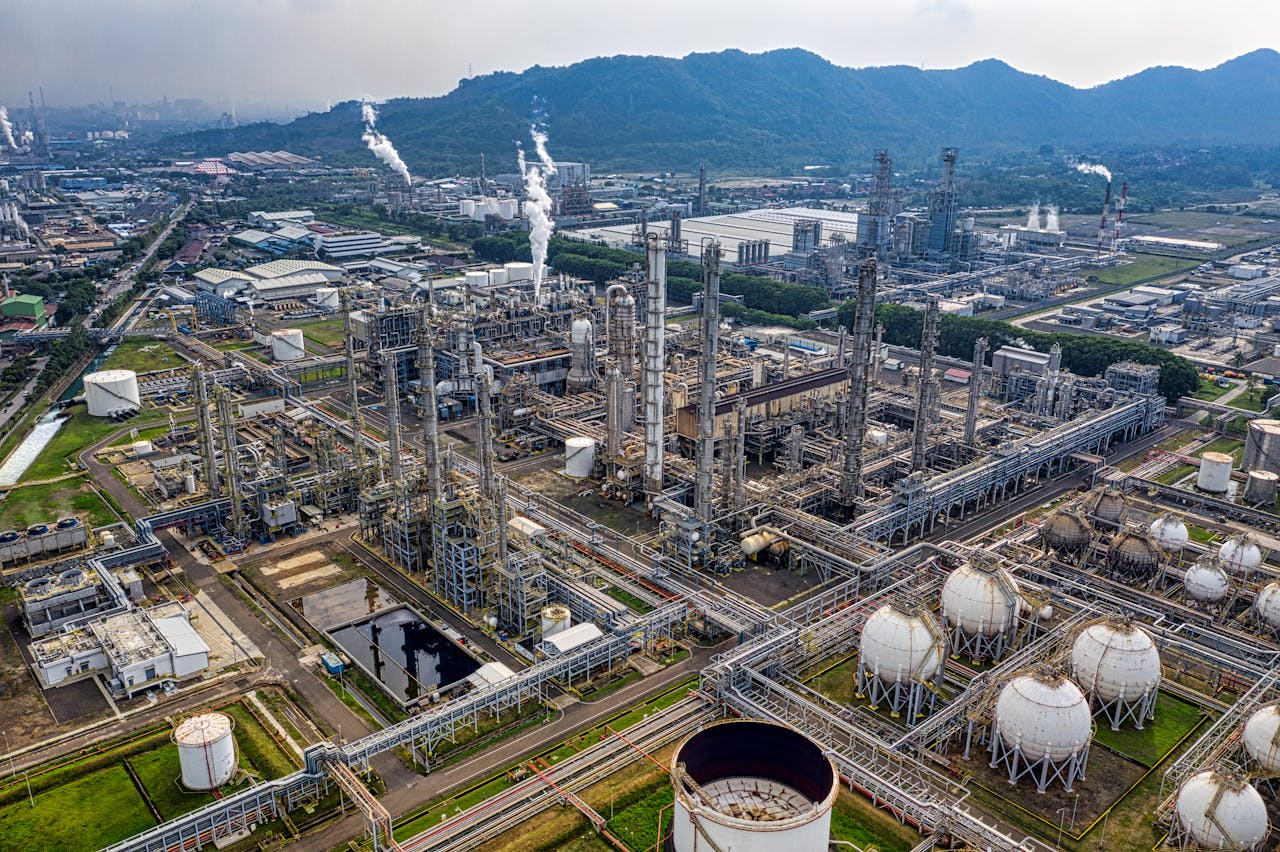
Pollution Harms Communities
Oil and gas operations release pollutants into the air, soil, and water, directly affecting nearby communities. Toxic chemicals, such as benzene, toluene, and xylene, are associated with extraction and processing activities.
Health consequences include respiratory and cardiovascular diseases, liver damage, birth defects, and increased cancer risk. Historically marginalized communities, such as low-income, Black, Brown, and Indigenous populations, are disproportionately exposed, which highlights environmental justice concerns.
Burning fossil fuels further compounds pollution, generating smog, particulate matter, and additional greenhouse gases, worsening public health outcomes.
Greenhouse Gas Emissions Fuel Climate Change
Oil and gas extraction emits vast amounts of CO₂ and methane. Methane emissions from the oil and gas supply chain are particularly potent, trapping heat in the atmosphere 34 times stronger than CO₂ over a century.
These emissions contribute to global warming, intensifying wildfires, hurricanes, droughts, and food insecurity. Vulnerable populations, including urban low-income communities and Indigenous groups, are disproportionately affected due to limited access to cooling infrastructure and increased exposure to heat islands.
Globally, oil and gas operations account for around 15% of total energy-related emissions globally total greenhouse gas emissions. But, the energy sector accounts for 75% of total greenhouse gas emissions. This underscores the significant role fossil fuels play in climate disruption.
Oil and Gas Development Destroys Vegetation and Wildlife
Drilling infrastructure fragments natural landscapes, removing vegetation and reducing biodiversity. As of 2022, the oil and gas industry held more than 34,000 leases on public lands, covering over 23.7 million acres, and more than 12 million acres under lease in public waters.
Consequences include soil erosion, reduced water infiltration, loss of native plant species, and diminished carbon sequestration capacity. Natural recovery is slow, particularly in arid regions, which prolongs ecological damage.
Drilling Reduces Tourism and Recreation Opportunities
Industrial development in natural areas directly impacts outdoor recreation, affecting local economies reliant on hiking, fishing, camping, and wildlife tourism. Noise, pollution, and visual disturbances degrade the experience for visitors.
Outdoor recreation contributes around $600 billion in 2023 to the U.S. economy, supporting hundreds of thousands of jobs. The intrusion of drilling operations threatens these economic benefits by limiting access to pristine natural areas.
Wildlife Habitat Disruption
Oil and gas infrastructure, including roads, fences, well pads fragments animal habitats, disrupts breeding patterns, and interferes with migration. Species like pronghorn antelope in Wyoming face direct impacts from well placement and road construction.
Ecological consequences include reduced biodiversity, increased risk of species endangerment, and altered predator-prey dynamics, which can destabilize entire ecosystems.

Oil Spills Threaten Marine and Terrestrial Life
Accidental spills release toxic hydrocarbons and drilling fluids, with immediate and long-lasting impacts. The Deepwater Horizon spill (2010) killed nearly a million seabirds and thousands of marine mammals and turtles.
Even smaller leaks contaminate soil and freshwater, exposing wildlife through ingestion, inhalation, or direct contact. Long-term effects include loss of mangroves, coral reefs, and other critical ecosystems, affecting biodiversity and local livelihoods.
Light Pollution Alters Ecosystems
Drilling sites operate around the clock, and flaring emits intense light, disrupting nocturnal animals and pollinators like bees. Artificial illumination affects feeding, sleep, reproduction, and natural dark skies, including cultural landmarks like Chaco Canyon.
These changes reduce plant regeneration, disturb pollination, and threaten biodiversity across multiple ecosystems, demonstrating that even seemingly minor operational factors can have far-reaching ecological consequences.
Making Oil and Gas Drilling More Environmentally Conscious
While drilling impacts are significant, regulations, technology, and operational best practices can reduce ecological harm.
Regulatory Oversight: National and federal agencies enforce standards on emissions, water management, and habitat protection. Compliance with the Clean Air Act, Clean Water Act, and Endangered Species Act ensures minimum environmental safeguards.
Technological Solutions: Advanced drilling techniques reduce environmental risk. Closed-loop mud systems prevent contamination, directional drilling minimizes surface impact, emission capture systems lower methane release, and automated monitoring prevents spills.
Best Practices: Companies can further mitigate impact by minimizing well pad size, reclaiming land post-drilling, using biodegradable lubricants, reducing noise and light pollution, and restoring habitats.
Investor and Policy Implications: Supporting operators that prioritize sustainable practices reduces regulatory and reputational risks. Policymakers can incentivize responsible drilling through tax credits, permitting advantages, and stricter environmental standards.
These combined approaches cannot eliminate all risks but help balance energy production with ecological stewardship.
Conclusion
Oil and gas drilling carries substantial environmental costs, from pollution and greenhouse gas emissions to habitat destruction, wildlife disruption, and light pollution. Recognizing these impacts and implementing responsible practices is essential for safeguarding ecosystems, public health, and long-term economic resilience. For communities, investors, and policymakers, transitioning to cleaner energy sources and enforcing sustainable drilling standards is a critical step toward a more sustainable future.
FAQs
Why is drilling for oil bad for the environment?
Drilling releases pollutants, greenhouse gases, and disrupts ecosystems, directly affecting human health, wildlife, and climate stability.
Can oil drilling sites recover naturally?
Recovery depends on location and ecosystem type. Some areas may take decades or even centuries to restore fully, especially in arid or sensitive regions.
How do oil spills affect wildlife?
Spills contaminate water and soil, causing immediate mortality, reproductive issues, and long-term ecosystem damage, including loss of habitats and species decline.
Which communities are most affected by drilling pollution?
Low-income, Black, Brown, Indigenous, and historically marginalized populations often live near drilling sites and experience disproportionate exposure to pollutants.
Are there ways to reduce the environmental impacts of drilling?
Yes. Environmental impacts can be mitigated through stricter regulations, use of clean technologies, responsible waste management, emission controls, and transitioning to renewable energy sources.

Comments