

Key Takeaways
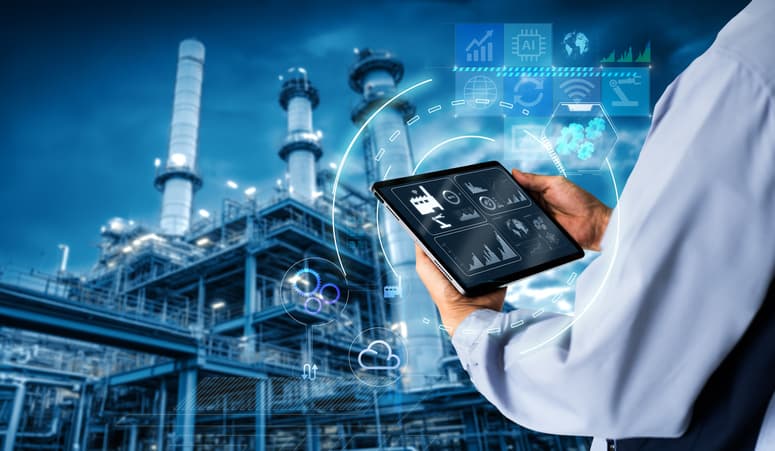
- Advanced technologies in upstream oil and gas are reshaping how the industry operates at every level. From AI-driven exploration and predictive maintenance to digital oilfields, automation, and cloud-enabled collaboration, technology is helping operators manage complexity, improve safety, reduce emissions, and make faster, better-informed decisions. Companies that strategically invest in these tools are not just increasing efficiency today; they are positioning themselves to remain competitive, compliant, and resilient in a more data-driven and sustainability-focused energy future.
Reinventing Upstream Energy: How Advanced Technology Is Reshaping Oil & Gas Operations
As technology shifts come into place and AI becomes integrated more and more into our lives, the effect is seen in every industry. In fact, the upstream oil and gas sector is undergoing one of the most significant technological changes in its history. Reservoirs are becoming more complex day by day as global energy demand fluctuates. This calls for emerging industries and brands to optimize their production, improve safety, reduce operational risk, and lower emissions.
Modern upstream production is going through a technological revolution with AI-driven technology, cloud computing in collaborations, and IoT-powered remote operations. What was once just a tool to make our lives easier has become the backbone of major industries.
How Technology Is Transforming Upstream Oil & Gas Production
The emergence of automation, big data, AI and cloud computing has played a more major role in reshaping the upstream industry than we know of. Modern upstream operations rely heavily on digital systems at this point. From developing a particular product to monitoring and maintaining it, digital systems have taken the forefront to enable faster decisions, smarter drilling, and safer production.
1. Digital Oilfields: Real-Time Insights That Drive Production
Digital oilfields have improved drastically over the years, mainly due to technological advances. Sensors, real-time analytics, automation, etc, help engineers monitor these and give a complete view of production systems and oil wells conveniently.
Example:
Shell’s Smart Fields program uses real-time data to optimize reservoir performance, cutting downtime and improving recovery.
Value Delivered:
Higher well productivity
Faster troubleshooting
Real-time reservoir modeling
Reduced non-productive time (NPT)
2. Automation & Robotics: Increasing Safety and Speed
Automation & robotics has opened up a brand new avenue in every industry and sector. What was once considered dangerous is now just another simple task, thanks to automated tools. High-risk manual labour in both onshore and offshore operations can be done with advanced automated tools, reducing the speed of work and increasing productivity and safety.
Example:
TotalEnergies deploys autonomous robots to perform inspections on offshore platforms, drastically reducing worker exposure to hazardous zones.
Benefits:
Reduced human error
Safer inspections
Lower cost of routine monitoring
Faster data collection
3. AI & Big Data: Smarter Exploration and Drilling Decisions
AI is the superhero in every field these days. And upstream energy is no stranger to this scenario. The massive amounts of seismic and subsurface data are analyzed and estimated with perfect precision now. Thanks to AI, opportunities to identify drilling locations have also increased manifold.
Examples:
ExxonMobil uses AI-driven seismic interpretation to discover reservoir targets more quickly.
AI-powered drilling advisory systems optimize bit selection, weight on bit, and mud parameters.
AI Enhances:
Reservoir modeling
Drilling precision
Exploration success rates
Waste and cost reduction

4. Cloud Computing: Collaboration Across Global Operations
Cloud computing is the new norm. Platforms now rely on cloud computing to store and process operational data. Global teams can now collaborate seamlessly on such platforms to collaborate, plan, monitor, and analyse risks.
Example:
BP’s cloud-enabled digital infrastructure allows engineers across continents to monitor wells and run simulations simultaneously.
Cloud Advantages:
Unified data access
Faster operational decisions
Scalable storage for seismic data
Reduced IT infrastructure costs
5. Alternative Energy Integration for Cleaner Operations
Upstream operations are integrating alternative energy to incorporate renewable power into production systems. Drilling, gathering seismic data, obtaining raw materials, and refining these all depend on alternative energy at the moment.
Example:
Saudi Aramco has piloted solar-powered rigs to reduce diesel consumption and lower emissions.
Impact:
Lower carbon footprint
Reduced fuel logistics
Enhanced sustainability reporting
Compliance with ESG expectations
Impact of Digital Transformation on Upstream Operations
Technology has not only impacted the production of oil and gas, but it has also impacted the upstream operations. The transformation of operations can be seen across four critical categories. This has resulted in reshaping the landscape of upstream oil and gas.
A. Crew Services & Digital Training
Labor is always indispensable. However, skilled labor is not readily available. Technology has helped in making teams more efficient, quicker in meeting deadlines, and safer.
Example:
Halliburton uses VR training to simulate drilling environments, reducing learning curves and improving decision-making in high-pressure scenarios.
B. Predictive Maintenance Through AI
AI helps immensely in identifying equipment failures before they occur and jeopardise the safety of the crew. Most kinds of dangers can be avoided this way.
Example:
Chevron’s predictive maintenance programs extend rig asset life and reduce costly downtime.
C. Remote Operations through IoT Monitoring
Automated sensors are generally installed on wells, pipelines, and subsea systems. These help in providing real-time alerts and performance updates by collecting data in real time and sharing it with the team.
Effects:
Minimal on-site personnel
Lower operating risk
Faster emergency response
D. Digital Safety & Compliance
Every company needs to abide by HSE standards, and AI-enabled systems help them achieve it without any hindrance.
Example:
Real-time hazard detection at ExxonMobil facilities strengthens workplace safety and compliance tracking.

The Future of Upstream Oil & Gas
The future of upstream transformation will look very different with the inclusion of these factors:
1. Digital Twins
Rigs, wells, and reservoirs will all have virtual replicas, which will collect data in real time. All equipment and its functions- from predictive analytics to remote troubleshooting will be done with the help of AI-enabled models.
2. Advanced Robotics
Automated drilling systems, autonomous subsea robots, and IoT will take over high-risk tasks. Workflow will be much more efficient, safe and less strenuous.
3. AI-Based Decision Centers
Real-time data analysis will be done with the help of AI. These decision centers will help operators run entire mills from a centralized control room.
4. Integrated Renewable Power
The power will not depend only on one source. Solar, wind, and emerging hybrid power systems will have a significant impact on the support of clean upstream operations.
Investing in these digital systems will help any company gain efficiency, competitive advantage, and compliance strength in a tightening regulatory landscape.
Conclusion
In the Digital era, there is a technological revolution going on that is affecting every aspect of business and industry. The oil and gas industry is no exception. Technology is helping in redefining the future and what simple upstream duties are gonna look like in the future. Operators are embracing AI, automation, IoT, robotics and renewable energy. This will lead into a new era of industry where efficiency will be optimum, safety is integral, and sustainability is inclusive of all operations.
The world of upstream and downstream operations grows more challenging each day. Advanced technology is making this world better aligned by maximizing output, meeting global climate expectations, all the while keeping worker safety and efficiency at the forefront.
FAQs
1. What is the role of technology in upstream oil and gas operations?
Technology enhances exploration, drilling, production, and safety by providing real-time data, automation, predictive insights, and remote monitoring capabilities.
2. What are digital oilfields?
Digital oilfields integrate sensors, real-time analytics, and automation to monitor wells, optimize production, and reduce non-productive time.
3. How do AI and big data improve upstream operations?
AI and big data analyze seismic and reservoir data to improve drilling precision, increase exploration success rates, optimize production, and reduce operational costs.
4. What types of automation and robotics are used in upstream oil and gas?
Robots and automated tools perform inspections, maintenance, and high-risk tasks on offshore platforms and wells, reducing human exposure and operational errors.
5. How does cloud computing benefit upstream energy companies?
Cloud platforms allow global teams to access unified data, collaborate on well planning, run simulations, and store massive datasets like seismic information efficiently.

Comments