


Key Takeaways
- Far from cinematic oil gushers, modern drilling is controlled, data-driven, and environmentally conscious, ensuring safe and efficient access to the world’s essential hydrocarbon resources.
How Oil Is Drilled Today: A Step-by-Step Look at Modern Drilling
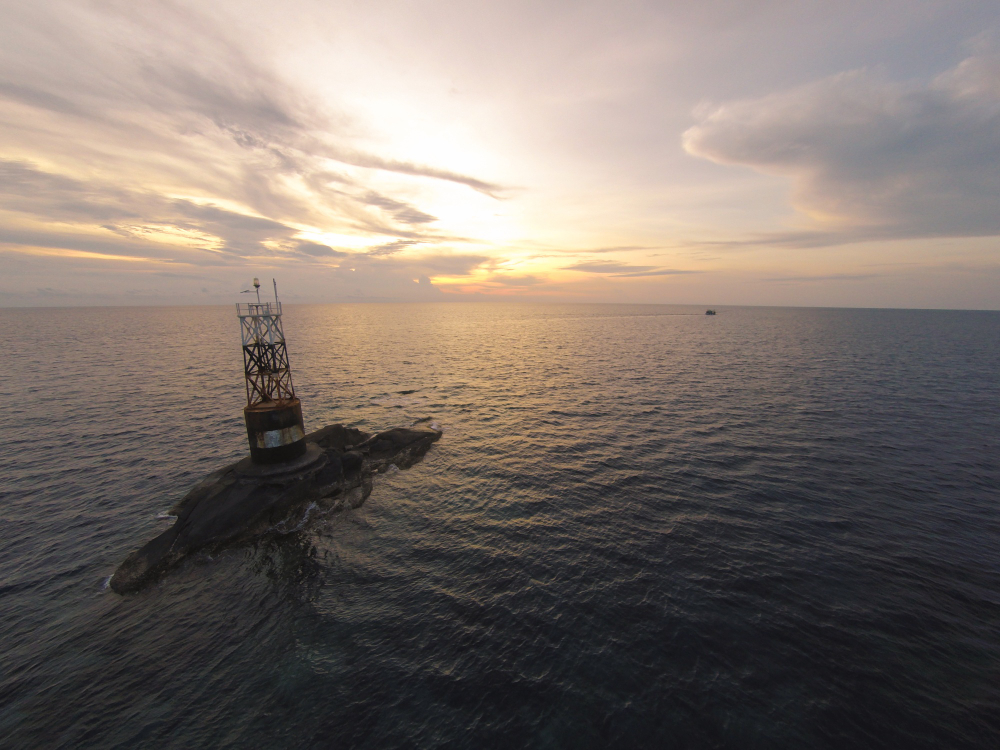
Oil drilling is often dramatized in films with geysers of crude erupting from the ground. In reality, the modern oil drilling process is a highly technical, controlled, and precision-driven process. It combines geology, engineering, physics, and environmental science to access hydrocarbon deposits safely and efficiently.
Modern oil drilling is not just about extracting oil; it involves detailed planning, environmental safeguards, and real-time monitoring, ensuring operational efficiency while minimizing environmental impact. According to the U.S. Energy Information Administration, advances in drilling technology have significantly reduced surface disturbance and improved oil recovery rates in the past two decades.
This guide breaks down the process of modern oil drilling, where both the science and technology make it possible.
Source: Freepik
How Oil Forms Beneath the Earth
Crude oil is a fossil fuel formed over millions of years from the remains of marine plants and microorganisms buried under sediment. Under heat and pressure, these organic materials transform into hydrocarbons — a process called diagenesis and catagenesis.
The hydrocarbons migrate through porous reservoir rocks until trapped beneath impermeable cap rocks, creating an oil reservoir. Reservoir characteristics such as porosity, permeability, and pressure directly influence the drilling approach and recovery strategy.
For example, a sandstone reservoir with high permeability allows oil to flow more freely, requiring less artificial lift compared to a tight carbonate reservoir.
Understanding oil formation allows geologists to target prospective drilling zones, maximizing efficiency and reducing wasted exploratory drilling.
Finding Oil: Geological Surveys and Exploration
Locating an economically viable reservoir requires multiple exploration techniques, combining geophysics, geochemistry, and drilling data:
Locating an economically viable reservoir requires geological surveys and exploration techniques, combining geophysics, geochemistry, and drilling data:
Seismic surveys: Controlled vibrations create 3D subsurface maps, identifying folds, faults, and structural traps where oil may accumulate.
Geological mapping: Studies sedimentary layers, fault lines, and historical deposition patterns to predict reservoir locations.
Gravity & magnetic surveys: Detect density or magnetic anomalies that indicate hydrocarbon-bearing formations.
Exploratory wells: Small-diameter test wells verify the presence and quality of hydrocarbons.
For instance, 3D seismic imaging has increased the success rate of exploratory wells from 25–30% (1970s) to over 60% today in some offshore fields.
The goal here is to determine where oil is located, its volume, and feasibility of extraction before large-scale drilling begins.
Preparing the Site for Drilling
Once a reservoir is confirmed, rig preparation involves both engineering and environmental planning:
Clearing and leveling the site to accommodate heavy equipment
Constructing access roads and support infrastructure
Installing power, water, and communications systems
Setting up spill containment and erosion control measures
Assembling the drilling rig and support units
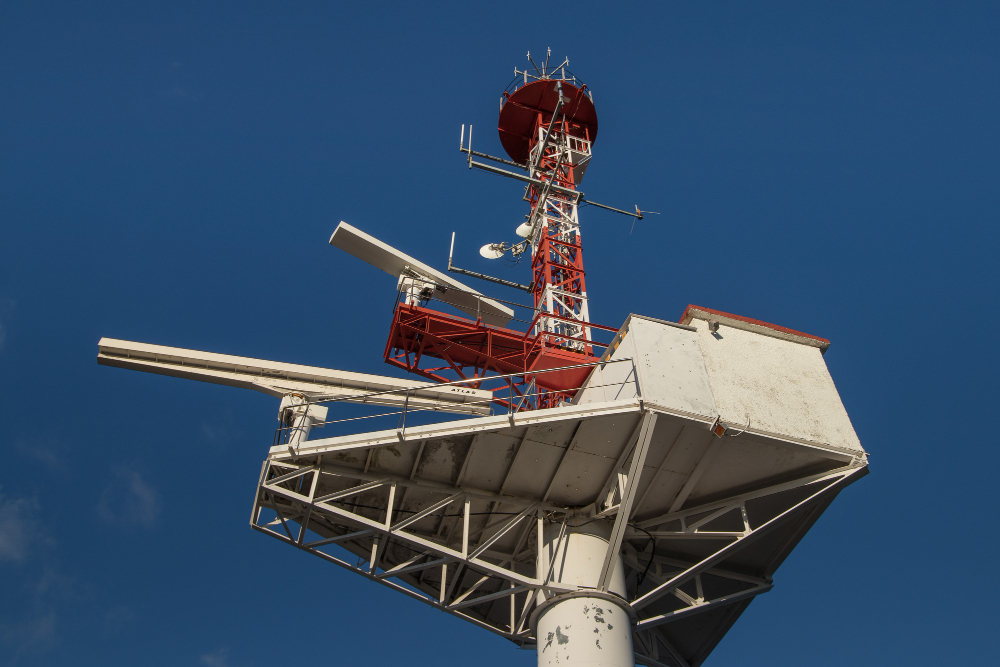
Environmental impact assessments and regulatory approvals are mandatory, especially for offshore or sensitive land areas. Modern drilling sites often minimize footprint using modular rigs and engineered containment systems, reducing environmental disturbance while maintaining operational efficiency.
Source: Freepik
The Drilling Rig: The Heart of the Operation
A drilling rig is a highly sophisticated system capable of vertical, directional, and horizontal drilling. Its core functions are:
A drilling rig equipment and systems setup is a highly sophisticated system capable of vertical, directional, and horizontal drilling. Its core functions are:
Rotating the drill bit to cut rock layers
Circulating drilling mud to cool the bit, transport cuttings, and maintain wellbore pressure
Pressure control, preventing blowouts and ensuring safety
Modern rigs often include real-time monitoring systems, digital twins, and AI-driven optimization, allowing engineers to adjust drilling parameters instantly for safety and efficiency.
The Drilling Process: Step-by-Step
Starting the Drill
The drill bit, attached to a string of pipes, rotates and grinds through rock. Drilling mud is continuously circulated to:
Cool and lubricate the bit
Stabilize the wellbore
Transport rock cuttings to the surface
Balance subsurface pressures
Drilling mud formulations vary based on formation type, depth, and environmental requirements, from water-based to synthetic or oil-based systems.
Installing Casing and Cement
Steel casing is installed progressively and cemented to:
Prevent the wellbore from collapsing
Protect groundwater and surrounding formations
Maintain control over reservoir pressures
Cement integrity is critical for safety; failures can lead to blowouts or environmental contamination.
Drilling Deeper to Reach the Reservoir
Drilling continues until reaching hydrocarbon zones, which may be thousands of meters deep. Ultra-deep offshore wells often exceed 10,000 meters. Directional drilling tools, including rotary steerable systems, allow precision targeting of complex reservoirs while avoiding multiple surface footprints.
Drilling continues until reaching hydrocarbon zones, which may be thousands of meters deep. Ultra-deep offshore wells often exceed 10,000 meters. Directional and horizontal drilling techniques, including rotary steerable systems, allow precision targeting of complex reservoirs while avoiding multiple surface footprints.
Reaching the Reservoir: Well Completion
After reaching the reservoir, wells are completed to allow controlled extraction:
Perforation: Explosive charges create flow paths through the casing
Production tubing installation: Directs hydrocarbons to surface safely
Safety systems: Blowout preventers (BOPs), surface valves (“Christmas trees”), and pressure monitoring
Completion ensures efficient extraction while safeguarding personnel and the environment.
Pumping Oil to the Surface
Oil may flow naturally due to reservoir pressure, but artificial lift systems are often needed:
Pumpjacks for conventional wells
Electric submersible pumps (ESPs)
Gas lift systems
Recovered oil is transported via pipelines, trucks, or ships to refineries. Flow optimization and metering systems ensure minimal losses and environmental compliance.

Source: Freepik
Safety, Environmental Protection, and Modern Technology
Modern drilling integrates advanced safety, environmental, and digital technologies:
Modern drilling integrates drilling safety and environmental protection systems through advanced digital technologies:
Safety Measures
Blowout preventers (BOPs)
Real-time pressure and flow monitoring
High-strength casing and cement standards
Environmental Safeguards
Groundwater and soil protection
Spill containment and mud recycling
Emissions reduction strategies
Digital & Smart Technologies
AI-driven drilling optimization
Real-time downhole sensors
Remote operations centers and predictive maintenance
These innovations have reduced non-productive time, minimized spills, and increased oil recovery.
Conclusion
Modern oil drilling is a complex, multi-step, and highly technical operation. From reservoir exploration to well completion and production, each phase relies on precision, engineering expertise, environmental safeguards, and advanced technology.
FAQs
What is the difference between conventional and modern oil drilling?
Conventional drilling relied mainly on vertical wells, while modern drilling uses horizontal and directional techniques, advanced sensors, and AI monitoring to safely reach complex reservoirs.
How deep can modern oil wells go?
Modern wells often reach several thousand meters, with some offshore and ultra-deep wells exceeding 10,000 meters (32,000+ feet).
What is the purpose of drilling mud?
Drilling mud cools and lubricates the drill bit, stabilizes the wellbore, transports cuttings, and balances underground pressures.
How do engineers prevent blowouts?
Blowouts are prevented using BOPs, high-strength casing and cementing, and real-time monitoring of pressures and flow rates.
What technologies make modern drilling safer and more efficient?
AI-driven optimization, digital twins, downhole sensors, remote monitoring, and directional drilling equipment all enhance safety, efficiency, and accuracy.

Comments