


Key Takeaways
- Natural gas drilling is a multi-step process that combines advanced technology, directional drilling, and hydraulic fracturing to extract methane safely and efficiently. While natural gas is a cleaner-burning fuel, environmental safeguards like water management, emission controls, and land reclamation are critical to minimize ecological impacts and ensure sustainable energy production. Understanding these processes is essential for professionals, policymakers, and communities affected by drilling operations.
How Natural Gas Drilling Works: Techniques, Technology, and Environmental Considerations
Natural gas drilling extracts methane-rich hydrocarbons from deep underground reservoirs, supplying a critical energy source for electricity generation, residential heating, petrochemicals, and industrial processes. According to the U.S. Energy Information Administration (EIA), natural gas accounts for a significant share of power generation in the United States due to its flexibility, lower combustion emissions, and cost competitiveness.
While natural gas burns cleaner than coal and oil at the point of use—producing less carbon dioxide and fewer air pollutants—its extraction requires careful engineering, advanced monitoring, and strict environmental safeguards. Poorly managed drilling can lead to methane leakage, water contamination risks, and land disturbance.
This guide explains how natural gas drilling works from start to finish, covering geology, drilling techniques, hydraulic fracturing, and the environmental controls that shape modern operations.
Understanding Natural Gas
Natural gas is primarily composed of methane (CH₄), with smaller quantities of ethane, propane, butane, and trace gases. It forms over millions of years as organic material decomposes under heat and pressure (a process involving diagenesis, catagenesis, and thermogenic transformation).
How Natural Gas Is Trapped
As hydrocarbons form, they migrate upward through porous rock until trapped beneath impermeable layers, creating a gas reservoir. Reservoir quality depends on:
Porosity: How much space exists to store gas
Permeability: How easily gas flows through rock
Pressure and temperature: Affect gas mobility and production rates
Conventional vs. Unconventional Gas
Conventional gas is trapped in permeable formations like sandstone or limestone and can often flow without extensive stimulation.
Unconventional gas, such as shale gas, tight gas, and coalbed methane, is locked in low-permeability rock and requires horizontal drilling and hydraulic fracturing to produce economically.
The EIA notes that unconventional gas development is the primary driver behind the growth of U.S. natural gas production over the past two decades.
Exploration and Site Selection
Before drilling begins, operators must confirm that gas exists in sufficient quantities and can be extracted economically and safely. Exploration relies on multiple complementary methods:
Seismic surveys: Controlled sound waves generate 2D and 3D images of subsurface rock structures, revealing faults, folds, and potential gas traps.
Gravity and magnetic surveys: Identify density or mineral variations that may indicate hydrocarbon-bearing formations.
Geological analysis: Studies rock history, deposition patterns, and basin evolution.
Exploratory (test) wells: Physically confirm gas presence, pressure, and composition.
Beyond geology, site selection also considers infrastructure access, land use conflicts, proximity to communities, and environmental sensitivity. Permitting and environmental impact assessments are required before drilling can proceed.
Well Planning and Design
Once a target is confirmed, engineers design the well using advanced modeling and simulation software. Planning focuses on maximizing recovery while minimizing risk.
Key design factors include:
Reservoir depth, pressure, and temperature
Rock strength and fracture behavior
Optimal well trajectory (vertical, directional, or horizontal)
Casing design for pressure containment and groundwater protection
Horizontal drilling, combined with Measurement While Drilling (MWD) tools, allows operators to precisely steer the well through thin gas-bearing zones. A single horizontal well can access gas across thousands of feet of reservoir, reducing surface disturbance compared to multiple vertical wells.
Drilling Operations
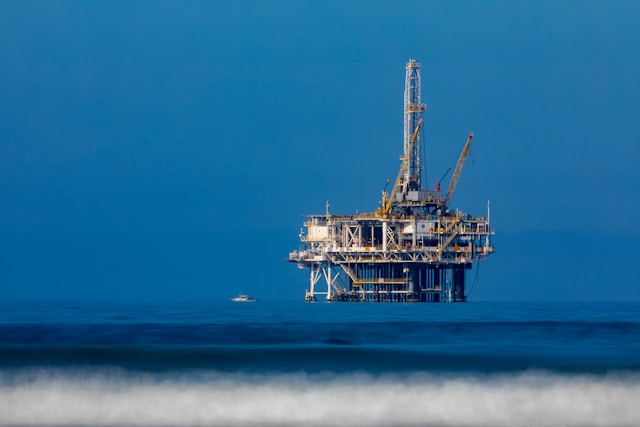
Most natural gas wells use rotary drilling, where a rotating drill bit cuts through rock layers. Modern rigs integrate automation, sensors, and real-time data feeds to improve accuracy and safety.
Core Drilling Components
Drilling mud (fluid):
Cools and lubricates the drill bit
Stabilizes the wellbore
Controls formation pressure
Carries rock cuttings to the surface
Directional drilling tools: Allow controlled deviation to reach reservoirs beneath urban areas, water bodies, or sensitive land.
Rig systems: Modern rigs can drill several miles deep and operate with fewer personnel due to automation.
Casing and Cementing
As drilling progresses, steel casing strings are installed and cemented in stages. This is one of the most critical safety and environmental protection steps.
Casing and cementing serve to:
Maintain wellbore structural integrity
Prevent well collapse or blowouts
Isolate freshwater aquifers from gas-bearing zones
Provide long-term pressure containment
Regulators require multiple casing layers and cement verification tests to ensure groundwater protection. Poor cement integrity is a known risk factor in well failures, which is why modern standards emphasize redundancy and monitoring.
Well Completion and Production
Once drilling reaches the target formation, the well is completed to allow gas flow.
Key Completion Steps
Perforation: Controlled explosive charges create small отверстия in the casing, connecting the wellbore to the reservoir.
Hydraulic fracturing (fracking): High-pressure injection of water, sand, and chemical additives creates fractures in low-permeability rock, allowing gas to flow.
Wellhead installation: Valves and pressure-control equipment regulate production and ensure safety.
Unconventional shale formations depend heavily on multi-stage hydraulic fracturing along horizontal sections to achieve commercial production rates.
Advanced Technologies in Natural Gas Drilling
Modern natural gas drilling is increasingly data-driven. Key technologies include:
Horizontal drilling: Maximizes reservoir contact and recovery
MWD & Logging While Drilling (LWD): Real-time formation data improves steering and safety
Advanced drilling fluids: Synthetic and water-based systems reduce formation damage and environmental risk
Microseismic monitoring: Tracks fracture growth to ensure containment
Automation and robotics: Reduce human exposure to hazards
Digital analytics and AI: Optimize drilling parameters, reduce downtime, and predict equipment failures
According to industry analyses cited by SPE and EIA, these technologies have significantly reduced non-productive time and improved recovery efficiency.
Environmental Considerations
Natural gas drilling requires proactive environmental management throughout the project lifecycle.
Key Environmental Focus Areas
Water management: Recycling and treatment of produced and flowback water
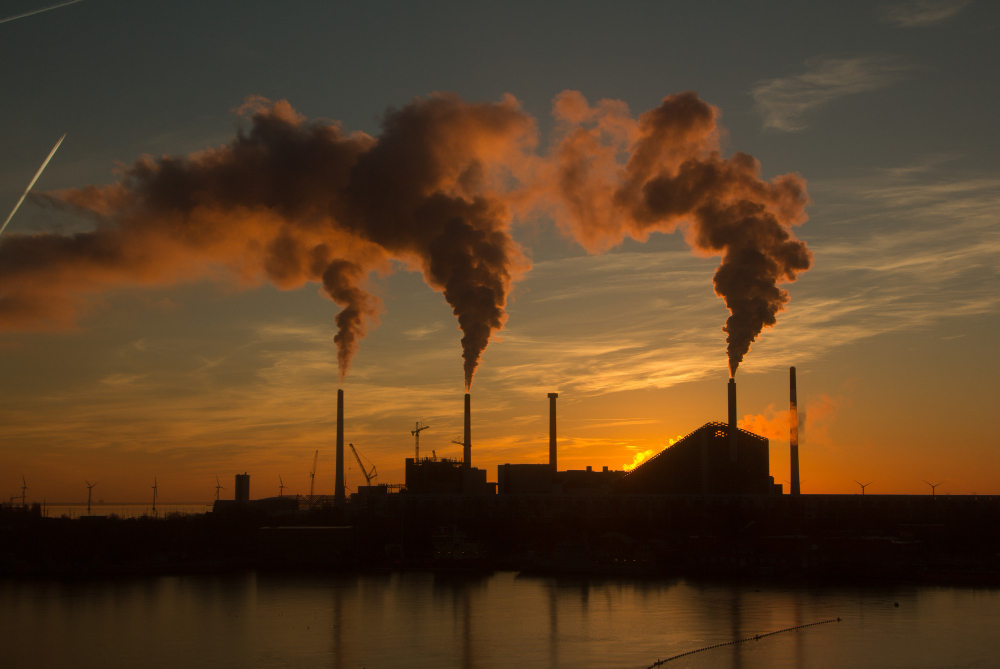
Air quality: Controlling methane, VOCs, and NOₓ emissions
Methane leak detection: Continuous monitoring using sensors, infrared cameras, and satellite data
Land reclamation: Restoring vegetation, stabilizing soil, and removing infrastructure after production
Regulatory compliance: Adhering to local, state, and federal environmental standards
The EPA and EIA both emphasize that methane control is critical, as methane has a significantly higher short-term global warming potential than CO₂ if released unburned.
Conclusion
Natural gas drilling is a highly technical, multi-stage process combining geological analysis, directional drilling, hydraulic fracturing, and advanced monitoring. While natural gas is a cleaner fossil fuel, responsible drilling and environmental safeguards are critical to minimize ecological and social impacts. By leveraging modern technology and best practices, the industry can extract energy efficiently while protecting surrounding ecosystems and communities.
FAQs
How deep is natural gas drilling?
Depths vary; conventional wells can be 5,000–10,000 feet, while unconventional or shale wells can exceed 15,000 feet.
What is hydraulic fracturing, and why is it used?
Fracking involves injecting water, sand, and chemicals at high pressure to create fractures in rock, releasing trapped gas. It is essential for extracting unconventional gas.
How does natural gas drilling impact the environment?
Impacts include methane emissions, water contamination risk, habitat disruption, and land disturbance. Environmental safeguards mitigate these effects.
What technologies improve drilling efficiency?
Horizontal drilling, MWD/LWD, automation, robotics, and data analytics help optimize extraction and reduce risks.
Is natural gas safer for the climate than coal or oil?
Yes, it burns cleaner with lower CO₂ emissions, but methane leaks during drilling and transport can offset some benefits if not properly managed.

Comments