


Key Takeaways
- Choosing the right exploration drilling equipment determines how efficiently, safely, and cost-effectively a project will progress from planning to final borehole completion. Ground conditions, depth, power, safety systems, rig mobility, and long-term durability all shape operational performance and risk exposure. Careful evaluation ensures fewer delays, a lower cost of ownership, better well productivity, and greater confidence that the equipment can withstand the realities of field conditions.
Introduction
Exploration drilling is fundamental across industries such as mining, oil and gas, water well development, and geotechnical engineering. While different sectors have different end goals, they all share one truth: the drilling equipment must match the environment and the technical demands of the job. Poor equipment selection can quickly spiral into higher operational costs, stuck pipe, inaccurate boreholes, mechanical failures, or safety incidents.
This article breaks down the critical factors professionals must evaluate before committing to a rig or drilling system. The aim is to help teams avoid costly mistakes and choose equipment that reliably delivers performance throughout the project lifecycle.
Assess Ground and Geological Conditions
Geology is the single most defining factor in equipment selection. The physical properties of the subsurface determine the required bit type, torque, rig power, and overall structural strength.
Soft soils (clay, silt, loose sand): These formations generally allow faster penetration rates and support lightweight or portable rigs. But softer ground may collapse if not properly stabilized, making casing selection important.
Hard rock (granite, basalt, quartzite): These formations demand high-torque rigs, harder drill bits (such as PDC or tricone), and heavier mast structures to withstand vibrations and axial loads.
Fractured or mixed formations: Transition zones can cause bit chatter or premature wear. Drillers often switch between mud systems or adjust drill speeds to maintain stability.
High-water-content zones: Aquifers and saturated soils may require enhanced mud circulation, dewatering systems, or casing strategies to maintain borehole integrity.
When equipment is not matched to actual geology, penetration slows, bits wear prematurely, and rigs experience mechanical stress. It leads to downtime and inflated costs.
Determine Required Drilling Depth and Diameter
The depth and diameter of the borehole are foundational specifications that directly shape rig selection, drilling power, well architecture, and overall project cost. Modern exploration programs, especially in upstream oil and gas, must carefully evaluate depth ranges, as equipment limitations can lead to safety issues, wellbore instability, or costly re-drilling.
Considerations by Depth:
Shallow exploration (<100m)
Portable or lightweight rigs suffice. These are commonly used for:
Geotechnical surveys, environmental baseline studies, and preliminary site evaluation
Soft-to-moderate formations where minimal torque and penetration force are required
Narrow-diameter pilot holes to map near-surface structure before committing to deeper drilling
These rigs offer quick mobilization, low footprint, and cost efficiency.
Medium depth (100–500m)
Truck-mounted or crawler-mounted rigs become essential because they provide:
Greater torque and rotary power for harder formations
Stronger mast systems to support longer drill strings
Better mud circulation for hole cleaning and stability
This depth range is common in early-stage hydrocarbon scouting and shallow stratigraphic tests.
Deep exploration (>500m)
High-powered exploration rigs are required, equipped with:
Reinforced mast and substructure to support heavy drill strings
Top-drive or high-capacity rotary systems
Advanced mud systems, blowout prevention (BOP) equipment, and pressure control systems
Capability to drill multiple hole sizes (e.g., 12¼", 8½", 6") as the well narrows with depth
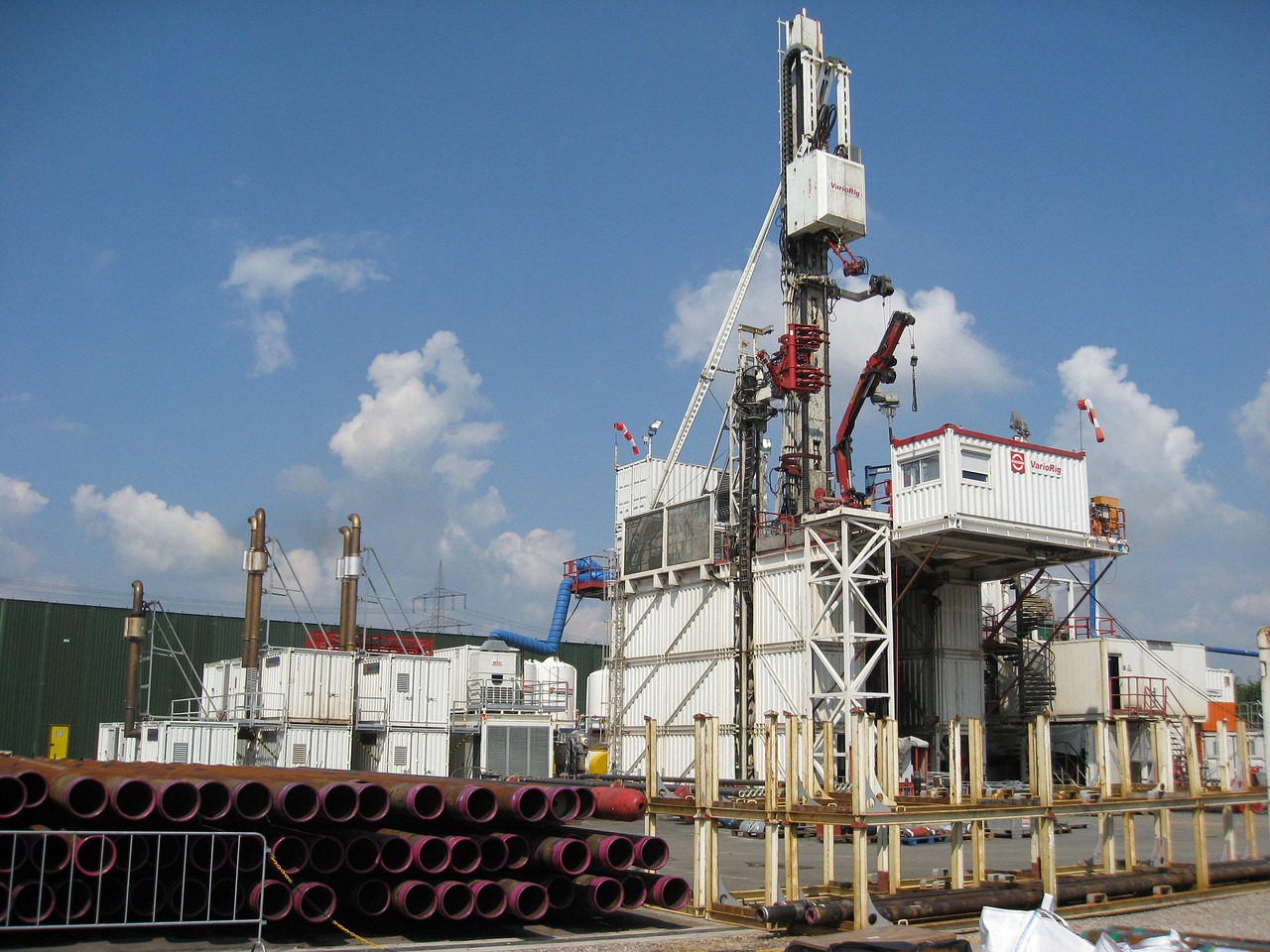
In upstream oil and gas, deeper wells, often exceeding several thousand meters, demand technical sophistication similar to the depth classes used in major exploration drilling programs.
Modern rigs vary dramatically in capability. Shallow rigs only support short drill strings, which are ideal for small-diameter, low-risk holes. Intermediate rigs support controlled drilling in mixed formations, which is suitable for 1,000–2,000m exploration wells in many onshore basins. High-capacity rigs are engineered for deep wells (3,000–5,000+ m), where high pressure, temperature, and complex geology require advanced control systems.
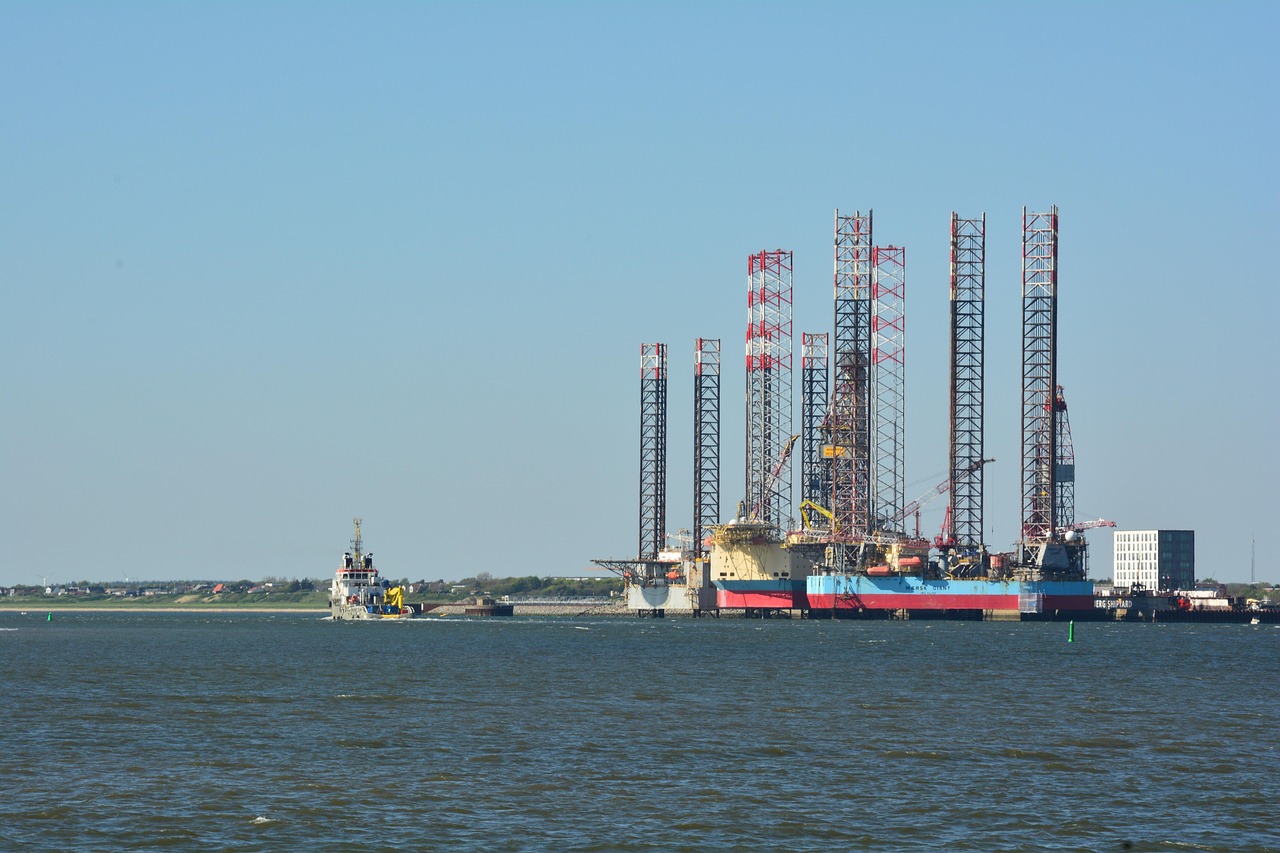
For context, offshore rigs like jack-ups, semisubmersibles, and drillships can drill 30,000–40,000 feet deep.
Source: Pixabay
Evaluate Power, Torque, and Penetration Rate
Drilling performance ultimately depends on how effectively the rig converts engine power and torque into stable, controlled penetration.
Engine power: Higher horsepower enables consistent rotation in dense formations, supports deeper boreholes, and sustains longer drilling cycles.
Torque levels: Critical for rotating the drill string against resistance. Hard rock drilling demands significantly higher torque to maintain stable RPM.
Rotary speed: Affects bit wear and penetration rate. Softer soils benefit from faster rotation, while hard rock demands slower, controlled RPMs.
Fuel or energy efficiency: Modern rigs increasingly use hybrid or energy-optimized systems to cut fuel use and emissions.
Correct power and torque improve drilling accuracy, reduce vibration-induced damage, and minimize unplanned downtime.
Consider Mobility and Site Accessibility
Many exploration zones are remote, environmentally sensitive, or difficult to access. The equipment chosen must be capable of reaching and operating efficiently in those conditions.
Crawler-mounted rigs: Ideal for uneven, muddy, or sloped terrain. They offer stability and can move between multiple drill pads with minimal disruption.
Truck-mounted rigs: Best for long transport distances and regions with road access. These rigs reduce mobilization time but require stable ground.
Portable or modular rigs: Used in remote regions where access is limited to footpaths, helicopters, or narrow openings. These rigs can be assembled onsite with minimal environmental disturbance.
Mobility issues create delays, increase transport costs, and can even restrict the ability to drill at the desired location.
Prioritize Safety Features and Regulatory Compliance
Drilling environments are high-risk, making safety engineering a top priority. Equipment must adhere to international and regional standards to protect workers and ensure operational continuity.
Key safety considerations include:
Emergency stop systems
Proper load-handling capacity
Anti-tip and stabilizer mechanisms
Protective guards on rotating parts
Certified mast and hoisting structures
Compliance with OSHA, ISO, and local regulations
Robust safety systems reduce accident risk, avoid regulatory penalties, and maintain workforce confidence, which is critical for sustainable operations.
Assess Equipment Durability and Build Quality
Durability directly affects operational reliability and cost of ownership.
Structural integrity: Mast strength, welded joints, and the quality of substructures determine how well the rig withstands continuous vibration and load.
Material composition: Corrosion-resistant steel, abrasion-resistant coatings, and reinforced components prolong the life of equipment operating in harsh climates.
Performance under extremes: Operations in deserts, tropical zones, and high-altitude environments require rigs designed for temperature fluctuations, dust, and moisture.
Weak or cheaply constructed rigs experience more breakdowns, increasing maintenance costs and extending project timelines.
Check Parts Availability and Technical Support
Even the most advanced drilling rig loses value if spare parts or technical services are difficult to access.
What to evaluate:
Local distributor presence
Lead time on spare parts
Availability of factory-trained technicians
Remote diagnostic capabilities
Operator and maintenance training programs
Rapid parts replacement and expert support reduce downtime, prevent equipment failures from escalating, and maintain consistent drilling progress.
Evaluate Cost, ROI, and Long-Term Value
Upfront cost is only one piece of the financial equation. A cheaper rig may cost significantly more to operate over time.
Key financial considerations:
Fuel consumption
Maintenance cycles and parts replacement costs
Expected lifespan and rebuild potential
Performance efficiency (ROP, uptime)
Long-term productivity gains
Selecting the rig with the best total cost of ownership rather than the lowest sticker price creates better financial outcomes and more predictable budgeting.
Source: Pixabay
Emerging Trends in Exploration Drilling Equipment
Technological advancements are rapidly reshaping drilling efficiency, safety, and sustainability.
Automation and AI-assisted drilling: Reduces human error, improves borehole accuracy, and continuously optimizes drilling parameters.
Eco-efficient equipment: Hybrid power systems, lower-emission engines, and optimized fuel burn reduce environmental impacts.
IoT and remote monitoring: Sensors track torque, temperature, vibration, and load to predict failures before they occur.
Modular, adaptable rig designs: Simplify mobilization, shorten setup times, and offer flexibility across diverse geological scenarios.
Modern rigs not only drill faster, but they also improve safety, reduce emissions, and lower total operating costs.
Conclusion
Choosing exploration drilling equipment is about aligning engineering capability with geological reality, logistical constraints, safety expectations, and long-term financial objectives. When teams take the time to understand depth requirements, geological stressors, mobility needs, power demands, and maintenance considerations, they significantly improve operational efficiency and reduce risk. Modern innovations further push performance boundaries, making informed selection more valuable than ever for achieving reliable, safe, and economically sound exploration results.
FAQs
How do I choose the right drilling rig for my site?
Evaluate geology, required depth, borehole diameter, mobility, power specifications, and safety features. These factors ensure the rig can perform reliably under actual field conditions.
What is the difference between portable and crawler-mounted rigs?
Portable rigs are designed for confined or remote areas and can be assembled manually, while crawler-mounted rigs handle rough terrain and provide superior stability.
Why is torque important in drilling?
Torque determines whether the rig can maintain rotation in hard formations without stalling. Low torque causes slow penetration, higher bit wear, and increased mechanical stress.
How does safety compliance affect equipment selection?
Regulatory compliance ensures the equipment meets structural and operational safety standards, protecting crews and minimizing risks of accidents or downtime.
What role does maintenance support play in long-term drilling success?
Consistent access to spare parts, trained service teams, and remote diagnostics prevents costly delays and extends equipment life.

Comments