
Key Takeaways
- Upstream oil and gas production is the foundation of the entire energy system. It determines supply, drives investment, and fuels technological innovation across the sector. Understanding upstream operations- exploration, drilling, fracking, and production is essential for anyone analyzing energy markets, evaluating investment opportunities, or assessing long-term energy security.
Why Upstream Oil and Gas Production Shapes the Entire Energy Value Chain
Every fuel we rely on, from gasoline to natural gas, starts its journey in the upstream sector, where energy is first found and brought to the surface.
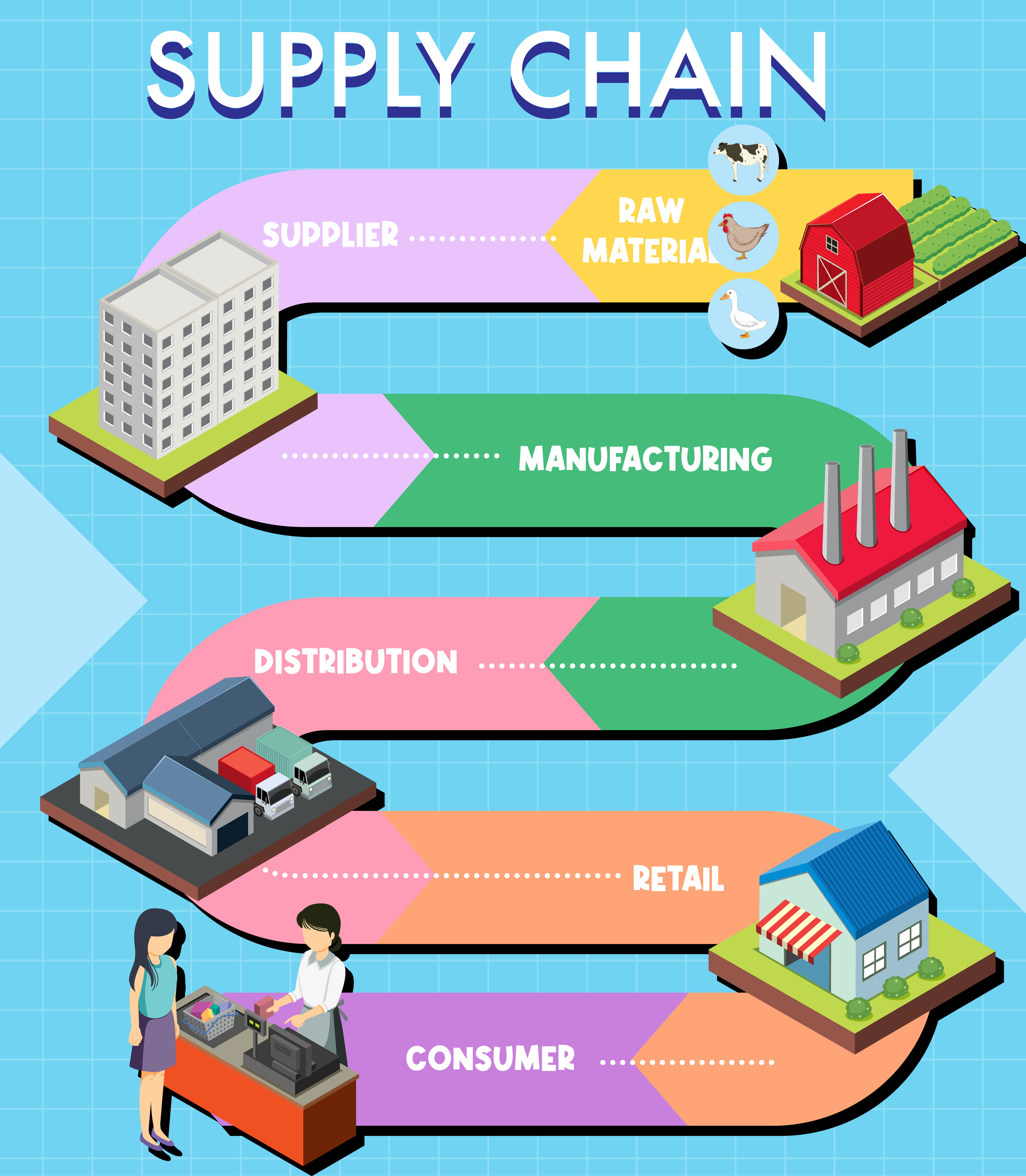
Upstream oil and gas production sits at the very beginning of the energy value chain. It includes everything from identifying promising geological formations to drilling wells and producing hydrocarbons. While midstream and downstream often get attention for pipelines and fuel prices, it’s upstream operations that determine whether oil and natural gas even exist to be transported, refined, or sold.
For investors, policymakers, and anyone trying to understand the energy system, upstream is not just the “first step.” It is the engine that drives supply, pricing, risk, and the pace of technological change across the entire industry.
This guide breaks down what upstream oil and gas production includes, why it’s so capital-intensive, and how exploration breakthroughs like horizontal drilling and hydraulic fracturing reshaped global energy dynamics.
Understanding the Upstream Segment
Upstream refers to everything related to finding and extracting hydrocarbons:
Exploration – geological surveys, seismic imaging, mineral rights acquisition
Appraisal – test wells, reserve assessments
Development – field planning and well design
Production – drilling, extraction, processing at the wellsite
The term is commonly paired with midstream (transportation, storage) and downstream (refining, marketing). But upstream sets the tone for the other two because production determines:
the volume of hydrocarbons entering the market
the cost base for the rest of the supply chain
long-term supply security
investment cycles across the energy economy
When upstream falters, everything else tightens.
How Crude Oil and Natural Gas Are Classified
Understanding product quality helps explain why different upstream projects generate different economics.
Crude Oil Classification
Oil is primarily defined by:
1. Density (API gravity)
Light: high API, low density
Heavy: low API, high density
2. Sulfur Content
Sweet: low sulfur
Sour: high sulfur
Why it matters:
Light, sweet crude is easier and cheaper to refine into gasoline and diesel, making it more valuable.
Measurement:
Oil is measured in barrels (bbl), equal to 42 gallons.
Natural Gas Classification
Natural gas occurs in two major types of reservoirs:
Associated gas – produced alongside oil
Non-associated gas – standalone gas reservoirs
Gas quality also varies:
Dry gas – mostly methane
Wet gas – contains NGLs like butane, ethane, propane
Wet gas can be more profitable because extracted liquids can be sold separately.
How Shale Changed Upstream Production Forever
The U.S. shale revolution remains one of the most transformative events in modern energy history, reshaping how modern oil drilling really works. Two technologies enabled it:
Horizontal drilling
Hydraulic fracturing (fracking)
These techniques unlocked hydrocarbons trapped in low-permeability rock formations, such as shale, tight sands, coalbeds, are previously considered uneconomic.
The result:
The U.S. became the world’s largest natural gas producer (EIA 2024).
Crude oil output surged.
Proven reserves in regions like the Marcellus grew dramatically—some estimates increased more than 40-fold after technology improvements.
Shale shifted global trade flows, energy security assumptions, and investment patterns.
Exploration: The Highest-Risk Stage of Upstream
Exploration determines whether a company will find economically viable hydrocarbons. Modern exploration relies on advanced technologies, but the risk remains high.
How Exploration Works
1. Geological surveys
These analyze rock layers, faults, and structures likely to trap hydrocarbons.
2. Seismic imaging
For offshore projects, companies deploy seismic imaging technology to create detailed subsurface maps.
3. Mineral rights acquisition
Energy companies compete for access to drillable acreage through:
Concession agreements – producers own discovered resources
Production-sharing agreements (PSAs) – governments retain ownership and share output
4. Exploratory drilling
The ultimate test: drilling a well to confirm whether hydrocarbons exist.
Costs and Risks
Exploration wells are expensive.
Drilling a dry hole can cost between $5 million and $20 million, sometimes more.
Yet, a successful well justifies these costs because exploration typically becomes a small portion of overall lifecycle expenses once a field begins producing.
Proven Reserves
Proven reserves estimate how much oil or gas can be economically produced using existing technology.
Estimates change due to:
advances in technology
infrastructure availability
shifts in commodity prices
The shale boom is a prime example of how technology can redefine reserves overnight.

Production: Turning Discoveries into Marketable Volumes
Once exploration identifies a productive site, companies move into the development and production stage. This marks the most capital-intensive phase of upstream oil and gas production.
Why Production Is So Expensive
Production requires:
drilling rigs
completion equipment
skilled labor
high-grade steel well casings
sophisticated monitoring technology
processing units and field facilities
advanced oil extraction machinery
Day rates for drilling rigs can run into hundreds of thousands of dollars, and drilling timelines vary depending on geology, weather, and site access.
Modern Production Uses Smart Technology
Real-time drilling data improves efficiency by tracking:
drill bit speed
wellbore stability
reservoir pressure
hydrocarbon flow patterns
These insights reduce non-productive time and increase recovery.
Onshore vs Offshore Production
Both environments have unique advantages, challenges, and cost structures.
Onshore Production
Onshore operations take place on land and typically involve drilling multiple wells across a defined acreage.
Key Features
Wells can be spaced 0.5–80 acres apart depending on the reservoir (heavy oil vs natural gas).
Steel pipelines gather produced fluids and direct them to processing facilities.
Onshore rigs can be started and stopped relatively easily based on market conditions—useful during price swings.
Economic Advantage:
Onshore drilling is significantly cheaper than offshore drilling.
Offshore Production
Offshore projects occur in oceans using specialized rigs and platforms.
Types of Offshore Platforms
Fixed platforms – anchored to the seabed
Floating platforms – held in place by anchors and mooring systems
Challenges and Costs
Offshore projects have:
higher upfront capital costs
greater safety and engineering requirements
longer development timelines
But offshore wells often have higher flow rates, making them major contributors to global supply despite the cost.
Hydraulic Fracturing: A Game-Changer
Fracking uses high-pressure fluid to crack rock formations, allowing hydrocarbons to flow more easily. Although the technique has existed since the 1940s, modern “slickwater fracking” became economically viable in the late 1990s.
Why It Matters
Today 90% of new U.S. oil wells use fracking, making it essential for:
shale development
maximizing production from older wells
extracting oil and gas from unconventional reservoirs
Fracking dramatically increased domestic production and changed global energy geopolitics.
The Future of Upstream: Decarbonization and Low-Carbon Technologies
The upstream sector is undergoing a gradual transformation as companies commit to reducing carbon intensity. Electrified drilling rigs, low-emission completion systems, and renewable-powered field operations are becoming more common. Carbon capture and storage (CCS) projects are expanding, utilizing depleted reservoirs and saline aquifers to store captured CO₂.
Enhanced oil recovery (EOR) using CO₂ offers both improved production and emissions benefits. Companies are also exploring geothermal energy using existing well infrastructure. These innovations position upstream operators to meet global climate commitments while maintaining reliable energy supply.
How Upstream Companies Make Money
Investor audiences especially benefit from understanding upstream revenue mechanics.
Production Volumes
Higher output means more sales, making reservoir quality and drilling success critical.
Commodity Prices
Upstream earnings rise and fall with oil and gas prices, affecting cash flow and investment cycles.
Operating Costs and Break-Even Levels
Lower drilling and completion costs improve margins and make fields more resilient during downturns.
Royalties, Taxes, and Fiscal Terms
Different countries impose varying royalty rates and production-sharing models, influencing project profitability.
Technologies Transforming the Future of Upstream
New digital tools and automation are reshaping efficiency, safety, and profitability.
Digital Twins
Virtual models simulate drilling and production operations, reducing downtime and optimizing performance.
AI-Driven Seismic Interpretation
Machine learning finds reservoir sweet spots quicker and with greater accuracy.
Automated Drilling Systems
Robotics enhance safety and consistency by automating repetitive drilling tasks.
Fiber Optic Monitoring
Downhole fiber sensors track temperature, pressure, and flow in real time, improving well performance and early problem detection.
Why Upstream Oil and Gas Production Matters
Upstream shapes everything else in the oil and gas industry.
1. It Determines Global Supply
Without upstream, there is nothing to transport or refine. Production volumes influence global prices and energy security.
2. It Drives Investment Cycles
Upstream spending affects:
job creation
equipment manufacturing
midstream pipeline expansions
downstream refinery utilization
3. It Enables Technological Innovation
Advances like horizontal drilling and seismic imaging originated upstream and now influence adjacent sectors.
4. It Defines Cost Structure
Upstream capital intensity impacts break-even costs, influencing:
profitability
competitiveness
investment attractiveness
5. It Shapes Geopolitics
Resource discoveries and production capabilities affect alliances, trade flows, and national strategies.
FAQs
What exactly does upstream mean in the oil and gas industry?
Upstream refers to the earliest stages of the energy value chain—finding, drilling, and producing hydrocarbons. It includes exploration, appraisal, development, and production activities. Without upstream, no oil or gas enters the market.
Why is upstream oil and gas production so expensive?
Upstream is capital-intensive because it requires drilling rigs, seismic surveys, specialized equipment, and skilled labor. In addition, geological risk and long project timelines increase overall costs compared to midstream or downstream segments.
How do companies estimate proven reserves?
Proven reserves are calculated based on what can be produced economically using current technology. Estimates change over time due to price shifts, new drilling methods, and updated geological data.
What’s the difference between onshore and offshore drilling?
Onshore drilling occurs on land and is generally cheaper and more flexible. Offshore drilling takes place in oceans using specialized platforms and is more expensive but often taps into larger, high-productivity reservoirs.
How did fracking transform the oil and gas industry?
Fracking unlocked shale resources previously considered uneconomic, boosting U.S. production, reshaping global trade flows, and significantly increasing proven reserves. It now supports the majority of new U.S. oil wells.
