


Key Takeaways
- Understanding oil prices requires looking beyond the pump. Supply, demand, market speculation, and global events all interact to shape the price of crude oil, which in turn affects inflation, consumer spending, and business operations worldwide. While rising oil prices can strain households and industries, they also create opportunities for investors and energy-producing regions. The ongoing energy transition toward renewables adds a new layer of complexity, signaling that future oil price movements will reflect not just traditional supply-demand dynamics, but also global shifts in energy strategy. By staying informed, businesses, investors, and policymakers can make smarter decisions to navigate both risks and opportunities.
What Drives Oil Prices?
Oil is one of the most traded commodities in the world, and its price doesn’t move randomly. Instead, it’s shaped by a range of interconnected factors, with oil supply playing a key role in determining daily price movements.
First, the balance between supply and demand plays the most fundamental role. When production outpaces consumption, prices tend to fall. When demand rises faster than supply can respond, prices climb sharply.
Additionally, currency fluctuations matter. Oil is priced globally in US dollars. Therefore, when the dollar weakens, oil becomes more affordable for buyers using other currencies. This typically increases demand and pushes prices higher.
Finally, seasonal factors also contribute. Energy consumption spikes during colder months and summer travel seasons. These predictable patterns create cyclical pressure on oil prices throughout the year.
Supply and Demand Dynamics
Supply decisions made by major oil-producing organizations directly influence global prices. When producers agree to cut output, supply contracts and prices rise. Conversely, increasing production tends to bring prices down.
Demand, meanwhile, is driven largely by industrial activity and transportation needs. A booming global economy increases fuel consumption across shipping, manufacturing, and aviation sectors. Slower economic growth, however, reduces that demand considerably.
Furthermore, refinery capacity affects how quickly crude oil reaches consumers. Even when crude supplies are abundant, limited refining capacity can cause shortages of finished fuels. This gap between crude availability and refined output creates price pressure at the consumer level.
How Speculation Shapes the Market
Beyond physical supply and demand, financial markets play a significant role. Traders, hedge funds, and institutional investors buy and sell oil futures contracts. These transactions can accelerate price movements in either direction.
Speculation does not always reflect current supply conditions. Instead, it often responds to forecasts, news events, and investor sentiment. A single headline about production disruptions can trigger rapid buying activity, pushing prices well above fundamentals.
However, speculation also adds liquidity to the market. It allows producers and buyers to hedge against future price swings. Without this participation, oil markets would be far less efficient and far more volatile in the short term.
Oil Price Increase Impact on the Economy
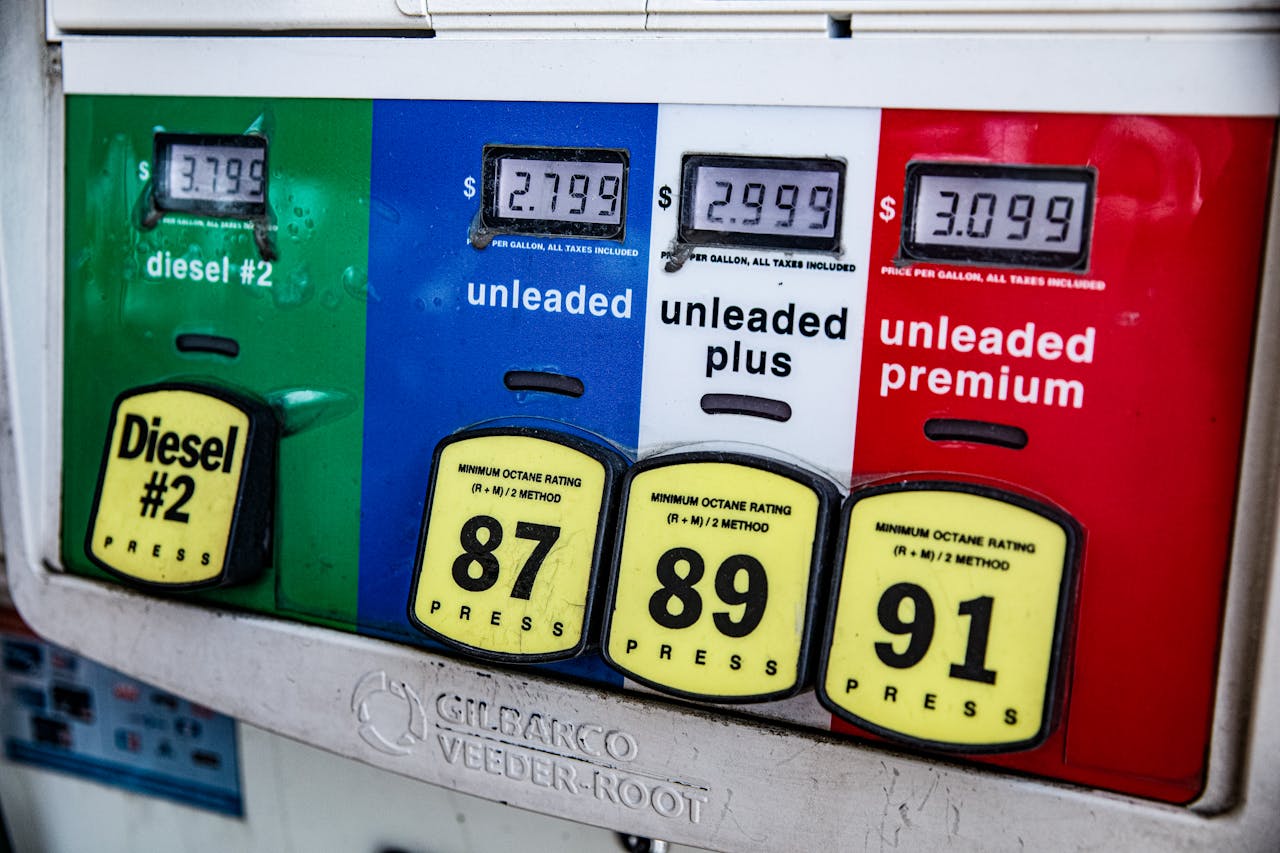
The oil price increase's impact on the economy is far-reaching. Energy underpins nearly every sector. Higher oil prices raise production costs for manufacturers, logistics companies, airlines, and farmers alike.
These higher costs are typically passed on to consumers. As a result, inflation rises across a wide range of goods and services. Households feel the squeeze not just at fuel stations but also in grocery stores and utility bills.
Moreover, higher energy costs reduce business profit margins. Companies facing elevated expenses may delay expansion plans or reduce hiring. This slowdown in business investment can dampen overall economic growth over time.
Nevertheless, oil-producing regions often benefit from price increases. Revenue from energy exports rises substantially. This additional income can fund infrastructure projects and social programs in energy-rich areas.
Effects on Inflation and Consumers
Inflation is one of the most visible consequences of rising oil prices. Transportation and logistics costs climb, making the delivery of goods more expensive. Retailers and manufacturers respond by raising consumer prices.
Household budgets feel a significant strain during periods of high oil prices. Fuel costs consume a larger share of income. Consequently, spending on non-essential goods and services often declines.
Central banks monitor oil-driven inflation closely. To manage price levels, they may adjust interest rates. Higher interest rates, in turn, affect borrowing costs for mortgages, auto loans, and business financing and compounding the economic challenge.
Industries and Business Impact
Airlines and shipping companies are among the most sensitive to oil price changes. Fuel typically accounts for a large portion of their operating costs. When oil prices rise, these businesses often introduce surcharges or adjust routes to manage expenses.
Agriculture also faces significant pressure. Fertilizers derived from petrochemicals become more expensive. Additionally, machinery fuel costs rise, making food production costlier from farm to shelf.
On the other hand, energy companies and investors in oil stocks may see improved returns during price upswings. Higher prices support stronger revenues for upstream producers. This dynamic illustrates the mixed nature of oil price increases across different segments of the economy.
Energy Transition and Future Outlook
The global shift toward renewable energy is gradually changing how oil prices move. As solar, wind, and electric vehicle adoption grow, long-term oil demand growth is expected to moderate.
Transition, however, is gradual. Oil remains essential for plastics, chemicals, aviation, and heavy industry. Therefore, price dynamics will remain relevant for decades, even as cleaner alternatives expand their share of the energy mix.
Investors and policymakers increasingly see energy diversification as a strategic priority, while still exploring oil investment opportunities within the sector. Building resilient economies means balancing continued reliance on oil with meaningful investment in alternatives. This balanced approach helps reduce the long-term impact of oil price increases on the economy.
Conclusion
Oil prices are shaped by a complex mix of supply decisions, consumer demand, financial speculation, and broader economic forces. The oil price increase's impact on the economy touches every industry and household in some form.
Understanding these dynamics empowers investors, businesses, and policymakers to respond more effectively. Transitioning toward diverse energy sources remains the most sustainable long-term strategy for reducing economic vulnerability to oil price swings.
FAQs
What are the main factors that drive oil prices?
Oil prices are influenced by supply and demand, geopolitical events, market speculation, currency fluctuations, and seasonal consumption patterns. Energy transition trends also increasingly impact long-term demand.
How do rising oil prices affect the economy?
Higher oil prices increase production and transportation costs, which can drive inflation. Consumers spend more on fuel and essentials, while businesses may face lower profit margins and delayed investments.
Which industries are most affected by oil price increases?
Airlines, shipping, agriculture, and manufacturing are highly sensitive due to fuel and energy costs. Conversely, energy producers and oil investors can benefit from higher prices.
Can speculation really impact oil prices?
Yes. Traders, hedge funds, and investors in oil futures can accelerate price movements. While speculation adds liquidity and hedging opportunities, it can also temporarily push prices above or below fundamentals.

Comments