

Key Takeaways
- Mineral rights in New Mexico are legally distinct from surface rights, allowing for separate ownership, sale, or leasing. Determining ownership requires record searches, and valuation depends on location, resource type, and market conditions.
Introduction
Mineral rights in New Mexico represent an important legal asset with significant value for both landowners and energy investors. Many information resources blend legal and ownership FAQs with insights on selling, value, and partner selection, integrating practical steps that support informed decisions and lead generation.
This article guides readers through mineral rights in New Mexico by clarifying ownership, valuation, legal obligations, and step-by-step selling or leasing processes. Readers will learn how to navigate mineral rights confidently, with expert knowledge from Invest In Energy for every stage of their journey.
Mineral Rights in New Mexico
Mineral rights play a central role in New Mexico’s property law and energy sector. Understanding how mineral rights operate, interact with surface rights, and differ from other states is vital for asset protection and investment planning.
Mineral rights grant legal access to subsurface resources such as oil, gas, uranium, and precious metals beneath a parcel of land in New Mexico. Owners may extract, lease, or transfer these rights. The distinction between mineral rights and surface rights means that separate parties can own the land surface and the minerals below.
Compared to other states, New Mexico maintains clear statutes regarding severance of surface and mineral ownership and provides regulated frameworks for leasing and transactions. Ownership or inheritance of mineral rights entails the legal entitlement to exploit or earn from subsurface resources, whether passed via sale, will, or trust.
Mineral Rights Ownership and Geology Overview
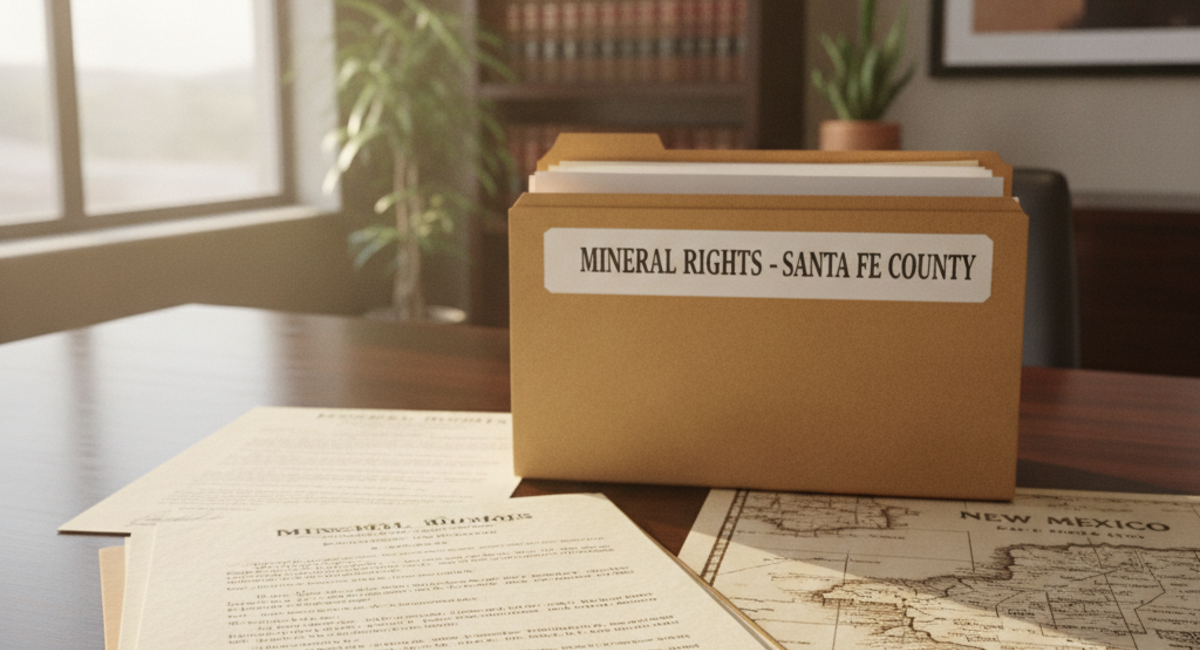
Title research and an understanding of regional geology are crucial in verifying mineral rights ownership in New Mexico. Knowing what lies beneath the surface can greatly influence land value and investment potential.
Ownership of mineral rights is determined by legal documentation, including deeds and title abstracts. To find out if you own mineral rights, review your property deed, search county records, or consult the New Mexico Land Records Office. The owner of minerals under any parcel is usually specified in recorded documents, though severance may occur if minerals were previously sold or transferred. New Mexico’s geology includes basins, uplifts, and sedimentary formations rich in hydrocarbons, metals, and industrial minerals. According to a 2024 USGS report on mineral resource ownership and New Mexico geology, stratigraphy and regional tectonics heavily impact the distribution and economic value of mineral resources. Landowners can use the Bureau of Land Management’s MLRS tool to check if mineral activity or mining claims affect their property.
Types of Mineral Rights and Resources in New Mexico
New Mexico offers a varied range of mineral rights types and resources, shaped by unique geologic regions and a long mining history.
The state recognizes several categories:
Locatable Minerals: Valuable metallic minerals such as gold, silver, and copper that can be claimed under federal law
Leasable Minerals: Oil, gas, coal, and other energy minerals leased from federal, state, or tribal lands
Salable Minerals: Common materials like sand, gravel, and stone
Metallic Minerals: Copper, gold, silver, lead, and zinc
Nonmetallic Minerals: Potash, gypsum, perlite, pumice, and industrial salts
Energy Minerals: Oil, natural gas, uranium, coal
A mining claim is a legal right to extract locatable minerals from a specific area. Locating a mining claim involves research using the Bureau of Land Management’s MLRS and New Mexico’s GeoCommunicator database to ensure the land is open for claims. New Mexico’s major geologic provinces include the San Juan Basin, Permian Basin, and mineral-rich uplifts, each with historic and ongoing resource extraction. Water and mineral resources often intersect in permitting and development, requiring landowners to consider groundwater rights and usage impacts.
Legal Processes: Leasing, Selling, and Transferring Mineral Rights
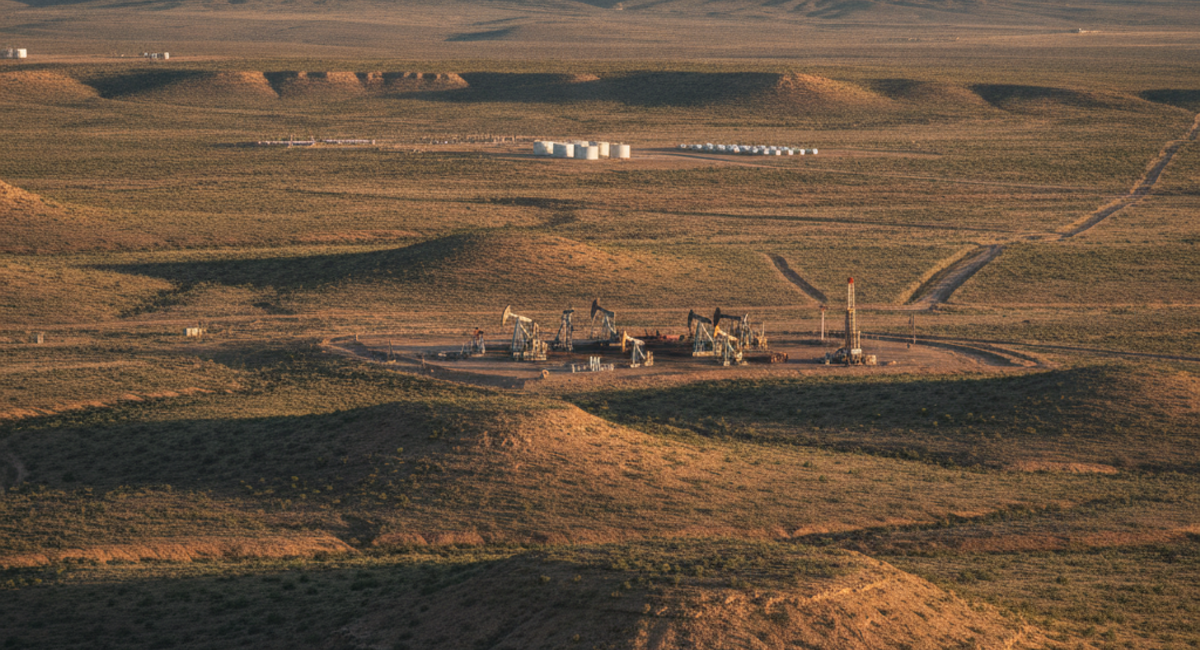
Legal compliance is essential when leasing, selling, or transferring mineral rights. Each transaction demands meticulous paperwork and adherence to state laws that protect all parties.
To lease or sell mineral rights in New Mexico, owners typically work with professionals such as landmen, attorneys, or licensed brokers to draft contracts and negotiate terms. Mineral rights can be sold, leased, or inherited, but each form of transfer requires specific documentation, such as mineral deeds, lease agreements, and transfer affidavits. The process routinely entails reviewing past conveyances, verifying title, and confirming any encumbrances. Paperwork for a legal transfer will generally include a conveyance deed, tax forms, proof of ownership, and notarization, filed with the county clerk. Restrictions may apply due to zoning, conservation status, or pre-existing contracts, so reviewing all records is critical before proceeding with a sale or lease.
Valuation, Taxation, and Avoiding Mistakes in Transactions
Careful valuation, tax awareness, and attention to documentation safeguard mineral rights transactions. Market research tools and professional advice are key to optimal decision-making in New Mexico.
The value of mineral rights in New Mexico depends on resource type, market demand, production estimates, and location. Royalty rates, lease terms, and current commodity prices will influence offers. Mineral rights are taxed as income when royalties or sale proceeds are realized; state and federal tax compliance is required, and professional guidance can prevent costly errors. Common mistakes include underestimating mineral value, failing to confirm ownership, inadequately documenting transactions, or misunderstanding current market trends. According to a 2023 New Mexico State University study on mineral rights valuation and taxation, buyers and sellers should use tools like New Mexico Land Records Office and BLM MLRS to verify assets, research pricing, and ensure complete paperwork for a successful and legal outcome.
Other Key Mineral Resources Topics and Additional Resources
Many additional topics are crucial for effective mineral rights management in New Mexico. Understanding permitting, leasing, and official resources can support both new and experienced mineral owners.
Mineral leasing and permitting in New Mexico involve negotiations with landowners or agencies and submitting formal applications for exploration or extraction. Permits to explore or mine on state trust lands are obtained from the New Mexico State Land Office, with application reviews considering environmental and legal standards. Key agencies such as the State Land Office and BLM’s MLRS and GeoCommunicator platforms provide mapping, research, and official documentation tools to help owners navigate legal processes and maximize opportunities in mineral management.
Conclusion
Understanding mineral rights in New Mexico is essential for protecting your property interests and making informed financial decisions. Whether you're verifying ownership, evaluating the value of your mineral rights, leasing them for royalty income, or considering a sale, success depends on thorough title research, accurate valuation, and compliance with New Mexico's legal requirements. Working with experienced professionals can help you avoid costly mistakes and maximise the long-term value of your assets.
At Invest in Energy, we provide expert insights and practical resources to help landowners and investors navigate every stage of the mineral rights process. From ownership verification to leasing, selling, and investment strategies, our goal is to help you make confident, well-informed decisions in New Mexico's evolving energy and mineral market.
FAQ
What types of minerals can be claimed or leased in New Mexico?
Oil, gas, coal, uranium, copper, gold, and various industrial minerals can be claimed or leased across New Mexico, subject to unique frameworks for each resource type.
How are mineral rights typically inherited in New Mexico?
Mineral rights are commonly inherited through wills, trusts, or by intestate succession where no will exists. It is essential to update ownership records and file proper documents with agencies.
Are there restrictions on mineral development in residential or protected areas?
Yes, New Mexico enforces various restrictions based on land zoning, environmental regulations, and federal or tribal protections, particularly near residential or environmentally sensitive locations.
Do I need special permits to explore for minerals on my own land?
Permits are generally required from the New Mexico State Land Office or Bureau of Land Management, depending on the type of mineral and ownership of the land.
How do I determine if taxes are owed on royalty payments?
Mineral royalties typically qualify as taxable income under state and federal law, requiring reporting and tax payment through standard returns. Consulting a tax professional can ensure compliance.

Comments