


Key Takeaways
- When the government leases public land to oil and gas companies, it is not merely signing papers or forming new partnerships. It is locking the earth into decades of damage. This gamble results in lost habitats and a worsening climate crisis. You should understand that even when marketed as a stable oil well investment opportunity, these programs prioritize profit over global environmental health. Reforming this system is an absolute necessity. You need to advocate for the immediate reform of these broken federal programs to save these lands.
Ultimately, this issue is not only about technical goals; it's about seeing local communities put in great danger. And, if a true sustainable future is the goal, reforming this destructive leasing system is not an option; it's a necessity of the time.
Oil and Gas Investing: Why Leasing Public Land is a Death Sentence for the Planet
Millions of acres of public land and water are intended to be held in trust for the public, as they are a shared inheritance. Yet the government is auctioning them off to the highest bidding oil, gas, and coal giants. These federal leasing programs consistently put industry profits over clean air and water. While the government chases profit, the general public pays the environmental and social costs that accompany these policies.
This is not merely a bad policy; it's a disaster. The current expansion of oil and gas investing on federal land is a climate death sentence. This piece uncovers the complete story: The crushing environmental, social, and economic damage of these policies and why you must join the fight to protect what is rightfully a public resource for every generation to come.
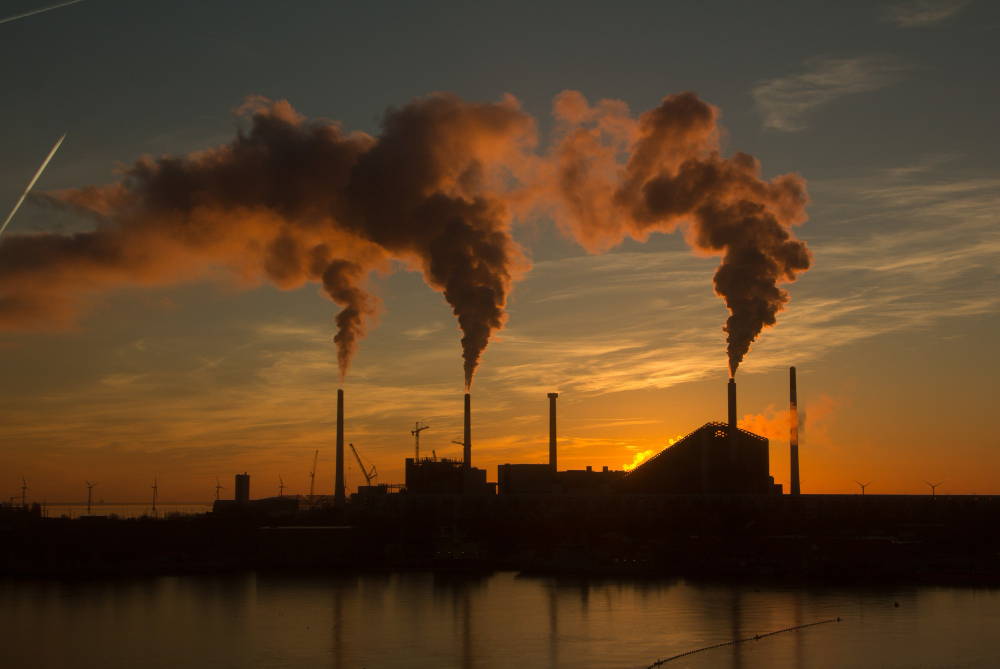
Fossil Fuel Leases Lock Us Into Decades of Pollution
The federal government is practically giving away public lands. Leasing programs auction off these priceless natural areas for remarkably low prices, with minimum bids starting at $10 per acre, and royalty rates that haven't been updated since the 1920s. For corporations, investing in oil and gas wells on public land is a subsidized giveaway that guarantees decades of emissions, actively undermining the ability to hit climate targets.
Consider that nearly 25% of all U.S. climate pollution is linked to oil and gas drilled on public land. That's a staggering amount. And here's the worst part: when a company is finished drilling, and the wells run dry, operators frequently walk away, leaving behind a mess. You, the taxpayer, are then left to fund the massive bills to clean up their abandoned infrastructure.
Vulnerable Ecosystems Suffer Irreversible Damage
Certain ecosystems are particularly susceptible to extraction activities:
Arctic Tundra: The installation of infrastructures and constant drilling force iconic wildlife like caribou and polar bears from their homes, dumping pollution into fragile air and soil. This activity accelerates warming, which is already melting the Arctic beneath their feet.
Western U.S. Sagebrush Desert: In the Western U.S., oil and gas operations shatter vital habitats, cutting off migration routes and polluting the water. This directly threatens beloved, vulnerable species like the greater sage grouse.
Gulf of Mexico: Here, the impacts are borne most heavily by people. Coastal communities, often black, indigenous, and low-income, are left breathing toxic air and drinking dirty water. We can never forget the Deepwater Horizon tragedy that released 200 million gallons of oil, wiping out marine life and crushing local economies.
Even if the machinery finally leaves, the damage stays. For these fragile, arid landscapes, fast recovery is not guaranteed as restoration can take several human lifetimes. You should understand that these ecological impacts are often permanent and require urgent attention.
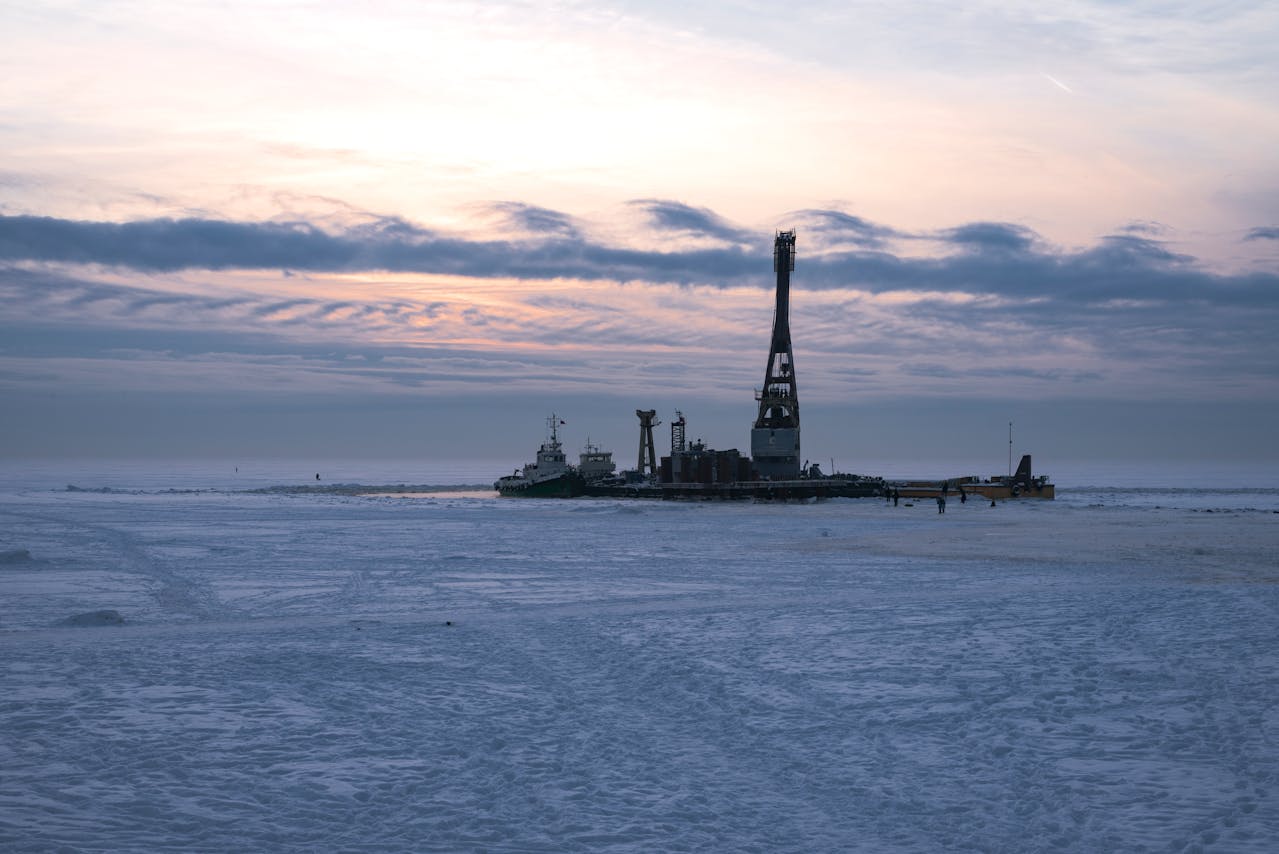
Oil and Gas Development Harms Marine Life
When oil and gas companies move offshore, the ocean's natural rhythm is destroyed. Their operations, from loud seismic surveys to constant drilling and inevitable spills, disturb marine ecosystems. Observe the impact on whales and countless other animals that rely on sound to find food, navigate, and even find their mates. They are effectively distressed and disoriented by the continuous underwater blasts used to map drilling sites.
Even beyond the deafening noise, the ocean is constantly being contaminated. Every spill, no matter how small or minor, spreads toxic sludge along coastlines, directly threatening precious fisheries, decimating biodiversity, and crippling the coastal tourism economies that depend on clean water. You must recognize these industrial sounds and spills as direct threats to marine stability.
Infrastructure Fragmentation Destroys Wildlife Habitat
Drilling sites do not just exist in a vacuum. To extract oil and gas, companies build a permanent, messy patchwork of roads, pipelines, drill pads, and airstrips. These structures slice right through previously pristine intact landscapes, effectively shattering critical wildlife habitats.
What does this fragmentation actually do? Consider these examples,
It blocks animals from following their ancient migration routes.
It slashes breeding success and survival rates, making it harder for species to recover.
It makes species that rely on large, continuous habitats dangerously vulnerable to localized threats.
This land does not heal itself quickly once these scars are created. Without aggressive action, repairing this damage in the sensitive ecosystem can drag on for many decades, threatening the very existence of the animals that call these places home. You should prioritize the protection of unfragmented lands to ensure these species have the space required to thrive.
Leased Lands Impose High Social and Economic Costs
Fossil fuel companies often avoid environmental cleanup, leaving taxpayers to fund restoration. Nearby communities face elevated pollution exposure and health risks. The International Monetary Fund (IMF) has highlighted that fossil fuel subsidies reached a record $7 trillion globally, largely because the environmental and social costs are not reflected in the market prices.
These social costs compound economic burdens, particularly for marginalized populations already facing systemic environmental inequities. When oil and gas companies depart, they often dodge the cleanup costs, leaving behind an environmental legacy that taxpayers are forced to fund and restore.
The cost extends well beyond just financial impact. People who live near these lands are constantly exposed to higher pollution, spiking their health risks and often preventing them from using their public lands for recreation. These social costs disproportionately affect marginalized communities that already face systemic environmental injustice. To address these inequalities, you should support legislation that requires companies to provide full cleanup bonds before drilling begins.
Climate Change Intensifies Environmental Threats
Leasing public lands for fossil fuels creates a dangerous self-defeating spiral by fueling massive global greenhouse gas emissions. These extraction sites intensify climate threats observed globally. For instance:
Raging wildfires and deadly heat waves.
Violent hurricanes and increasingly severe storms.
Widespread flooding and rapid soil destruction.
This is not a theoretical problem; It is a feedback loop where the drilling accelerates climate disasters, which in turn impact everyone, especially vulnerable urban and rural populations, harder and faster. Taxpayers' dollars essentially subsidize companies that contribute to making the planet unlivable. To break this cycle, you should advocate for the permanent ending of new fossil fuel leases on public land.
Legal and Policy Efforts Can Protect Public Lands
Organizations like Earthjustice and the Sierra Club are actively fighting against federal leasing practices to protect what remains of our ecosystems. Their work focuses on concrete essential steps such as:
Stopping new leases in the most ecologically sensitive and priceless areas.
Forcing the government to conduct proper, comprehensive environmental impact assessments.
Safeguarding precious marine and land biodiversity for all.
Ultimately, the goal is bigger than just winning lawsuits. We need major policy reforms and allowed public advocacy to completely transition away from fossil fuels and toward clean renewable energy. This is how we prevent further degradation and secure the true sustainable management of our shared public land for every generation to come. To support these efforts, you should join advocacy networks and contact local representatives to demand a shift toward clean energy initiatives.
Conclusion
The message is clear: continuing to lease public lands to oil and gas companies is a profound and lasting mistake. These leases guarantee more than just long-term pollution; they cement the destruction of wildlife, endanger community health, and actively sabotage global climate goals. This practice serves as a stark reminder of the urgent need to reform.
A choice must be made. Protecting these shared lands through bold new policy and persistent public advocacy is the way forward. A swift shift to clean, sustainable energy alternatives is necessary to safeguard ecosystems and ensure a truly livable planet for future generations. To be part of this solution, you should contact your representatives to demand an end to new fossil fuel leases and support a transition toward a renewable energy economy.
FAQs
Why is leasing public land to oil and gas considered harmful?
Leasing public land is harmful because it commits the environment to decades of pollution, drives up greenhouse gas emissions, destroys wildlife habitats and directly harms the health of nearby communities and fragile ecosystems. You can better understand the scope of this harm by reviewing how these leases intersect with climate and health data. You should review Investopedia's guide to ESG investing to understand how environmental impacts are increasingly seen as financial risk as well.
Which ecosystems are most affected by oil and gas leases?
The most vulnerable areas are ecosystems that require the longest time to recover, including the Arctic Tundra, the Western sagebrush deserts, and vital coastal regions like the Gulf of Mexico, where the damage can be irreversible. You should familiarize yourself with the specific geographic boundaries of these protected areas to better understand which regions are at immediate risk.
How does fossil fuel leasing impact climate change?
A huge amount of fossil fuels pulled from these lands are responsible for about 25% of all the U.S. climate pollution. The extraction directly fuels global warming and exacerbates extreme weather events such as wildfires and storms. To visualize the scale of this impact, you should compare this percentage to other major sectors of carbon emission in the United States.
Can legal action stop harmful leases?
Yes. Environmental groups are taking legal actions to challenge these leases. Their efforts focus on blocking new drilling, demanding more rigorous environmental reviews, and securing permanent protection for public lands through policy change. You can support these legal efforts by donating to environmental law firms or signing onto active petitions targeting the Department of Interior.
What are the social costs of oil and gas leases on public lands?
Taxpayers are often left to cover massive cleanup costs when companies abandon drilling sites. Additionally, communities located near to the drilling sites face dangerous pollution and increased health risks, while losing access to public land for recreational use.

Comments