


Key Takeaways
- Offshore oil drilling is a highly complex, multi-disciplinary process that combines geology, advanced rigs, subsea systems, and stringent safety protocols. Understanding the steps, from exploration to decommissioning, reveals the technical expertise and capital investment required to access underwater reserves while minimizing environmental risks, making it a cornerstone of global energy supply.
Under the Surface: How Offshore Drilling Really Works
Offshore oil drilling is one of the most challenging engineering endeavors in the energy industry. It requires expertise in geology, physics, marine construction, robotics, and environmental science to extract hydrocarbons located thousands of meters beneath the ocean floor. For investors and energy professionals, understanding how offshore oil drilling works is critical because it explains the scale of investment, operational complexity, and risks involved in tapping some of the world’s most valuable oil reserves. This article covers everything from site identification and rig selection to drilling processes, production, safety, and environmental management.
What Is Offshore Oil Drilling?
Offshore oil drilling refers to the extraction of petroleum trapped beneath the seabed. With oceans covering more than 70% of the Earth, a significant share of untapped oil reserves lies offshore. Energy companies deploy specialized structures (some anchored to the seabed, others floating) that can drill through rock layers under extreme pressure.
Why invest offshore?
Mature onshore fields are in decline, while offshore basins often contain large, high-quality reservoirs capable of producing for decades. These factors make offshore development a strategic choice for long-term energy supply, despite higher upfront costs and operational complexity.
Finding Oil Beneath the Ocean
Before drilling, geoscientists spend months or years mapping the seabed and modeling potential reservoirs.
How prospects are identified:
Seismic surveys: Ships send sound waves into the seabed; the reflected echoes reveal rock formations and traps.
Gravity and magnetic data: Detect subtle variations that indicate basin structure.
Geochemical sampling: Sensors and robots detect hydrocarbon traces in sediments.
Reservoir modeling: Engineers simulate oil volume and flow behavior.
After confirming a promising site, the company secures government drilling rights or leases. This rigorous approach minimizes the risk of costly dry wells, which is crucial for investor decision-making.
Exploratory Drilling: Proving the Prospect
Exploratory wells are drilled using Mobile Offshore Drilling Units (MODUs) to validate potential reservoirs.
Key objectives:
Confirm the presence of oil or gas.
Measure reservoir pressure, temperature, and rock properties.
Collect rock cores for analysis.
Evaluate oil quality, viscosity, and potential production rates.
Successful exploration leads to long-term development planning, guiding investment allocation and operational strategy.
Types of Offshore Drilling Rigs
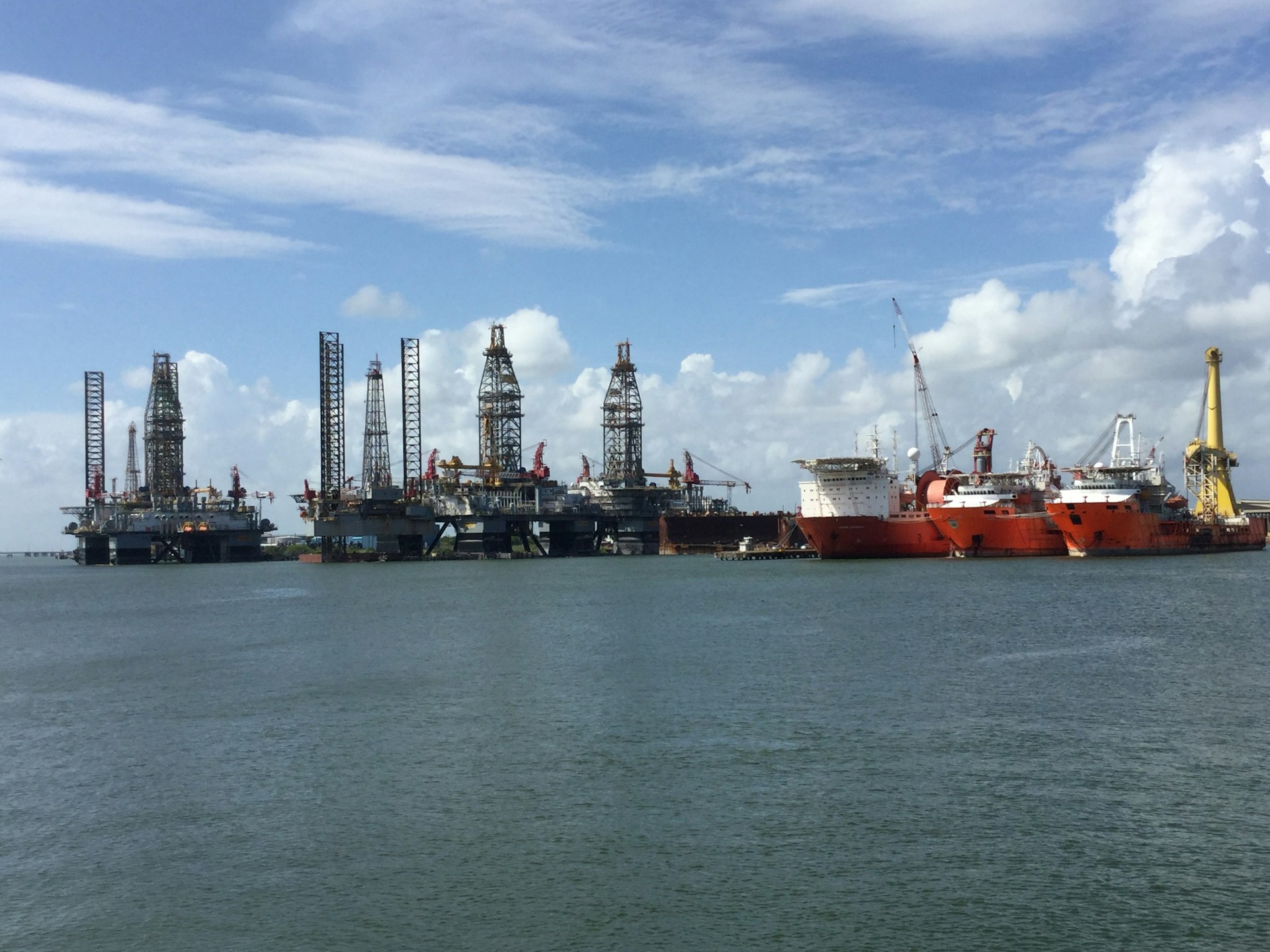
Water depth and environmental conditions determine rig choice:
Jack-up rigs: Extend legs to the seabed; suitable for shallow waters.
Semi-submersible rigs: Float on pontoons; stable in rough seas.
Drillships: Equipped with onboard drilling towers; ideal for deepwater.
Fixed platforms: Permanent steel or concrete structures anchored to the seabed.
Tension-leg platforms (TLPs): Floating but tethered to the seabed for stability.
Modern rigs function as self-contained industrial cities, complete with power systems, workshops, living quarters, and helipads—illustrating the capital intensity of offshore operations.
The Drilling Process: Step-by-Step
Drilling in marine environments involves several coordinated phases:
Preparing the well site: A subsea wellhead is installed, followed by a Blowout Preventer (BOP) to control unexpected pressure surges.
Drilling: A rotating drill bit attached to a drill string penetrates rock layers.
Drilling mud circulation: Specialized fluids cool and lubricate the bit, carry cuttings to the surface, stabilize the wellbore, and control subsurface pressure.
Casing and cementing: Sections of the well are lined with steel casing, cemented to reinforce the borehole, prevent fluid migration, and isolate weak formations. This sequence repeats until the reservoir is reached.
Reaching the Reservoir and Starting Production
Upon reaching the hydrocarbon zone, production casing is run and perforated to allow oil and gas flow.
Production methods:
Reservoir pressure pushes hydrocarbons upward.
Artificial lift methods, like water flooding or gas injection, maintain flow when natural pressure drops.
Separation of oil, gas, and water occurs on the platform.
Transport to shore is via subsea pipelines or offshore loading systems connected to tankers.
Efficient production systems are critical for maximizing recovery rates and return on investment.
Safety and Environmental Protection
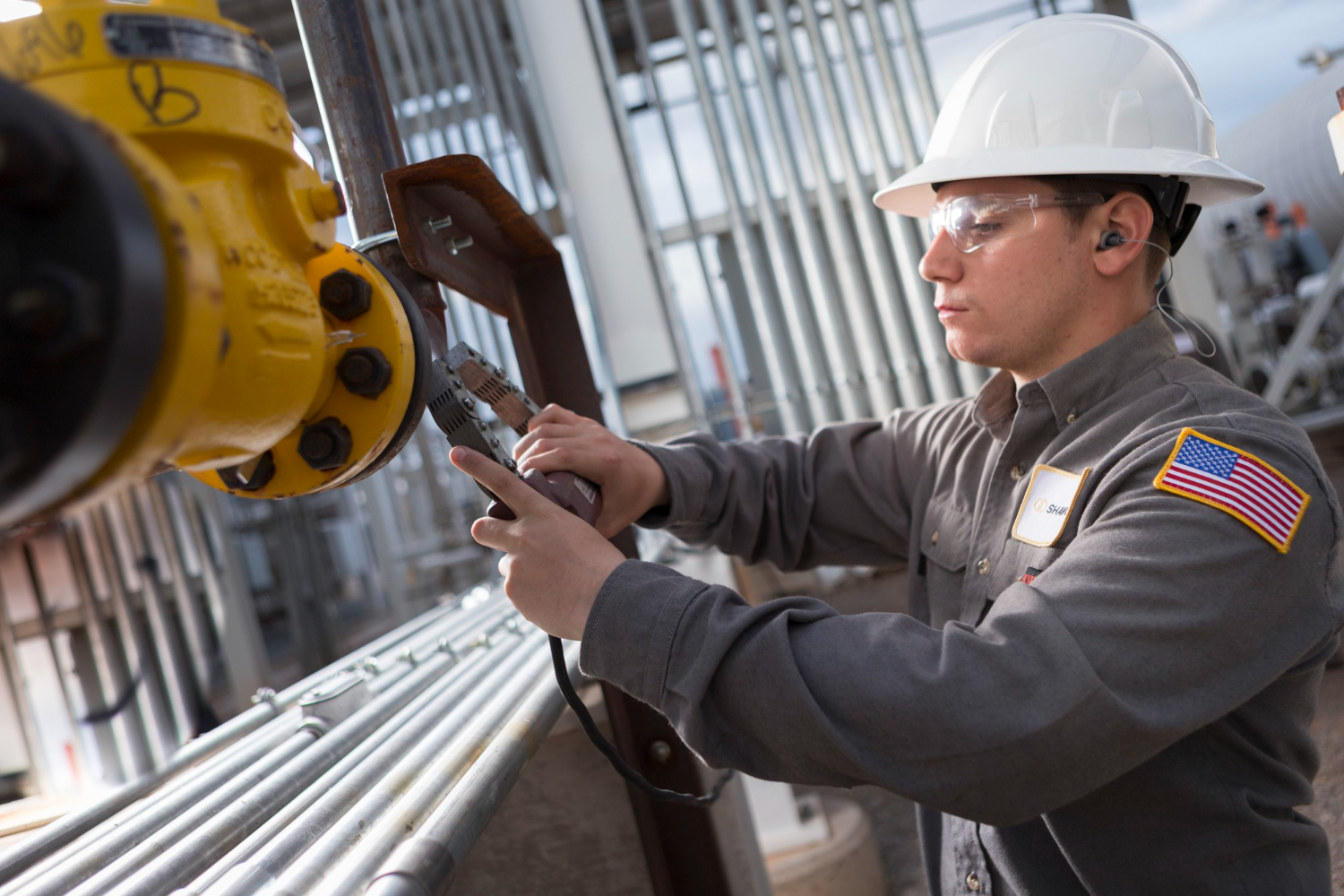
Offshore drilling carries inherent environmental and operational risks, so strict protocols are mandatory:
Safety systems:
Blowout preventers with redundancies.
Real-time pressure monitoring.
Automatic well shut-in mechanisms.
Spill containment and emergency response equipment.
Environmental safeguards:
Protecting marine ecosystems.
Controlling methane and other emissions.
Responsible disposal of drilling waste.
Minimizing disruption from seismic surveys.
Investment in advanced monitoring, spill prevention, and crew training reduces both operational risk and environmental liability.
Decommissioning: What Happens When the Well Runs Dry
When a field is no longer economical:
Wells are permanently plugged with cement.
Production equipment is removed.
Structures may be dismantled or converted into artificial reefs.
Environmental restoration ensures long-term ocean safety and ecological balance.
Decommissioning is essential for regulatory compliance and protecting future investment credibility.
Conclusion
Offshore oil drilling is a capital-intensive, technologically demanding process requiring coordination across multiple disciplines. For investors, the key takeaway is that success depends on accurate reservoir identification, rig selection, efficient drilling, and strict safety and environmental compliance. While costly, offshore operations can unlock large, high-quality reserves, delivering long-term production potential and strategic energy value.
FAQs
What is the difference between onshore and offshore oil drilling?
Onshore drilling occurs on land with simpler rigs and logistics, while offshore drilling targets underwater reservoirs, requiring specialized rigs, subsea systems, and advanced safety protocols.
How deep can offshore drilling go?
Modern offshore drilling reaches over 3,000 meters (10,000 feet) below the seabed. Ultra-deepwater operations can exceed 3,600 meters (12,000 feet) with drillships and floating platforms.
What are the main types of offshore drilling rigs?
Jack-up rigs, semi-submersibles, drillships, fixed platforms, and tension-leg platforms are commonly used, depending on water depth, environmental conditions, and reservoir location.
How is oil transported from offshore platforms?
Oil is transported via subsea pipelines to onshore facilities or through offshore loading systems that transfer it to tankers.
How does offshore drilling protect the environment?
Environmental safeguards include real-time monitoring, blowout preventers, responsible waste management, spill containment, reduced methane emissions, and minimal disruption to marine ecosystems.

Comments