


Key Takeaways
- Fracking and oil drilling are two major methods for extracting oil and natural gas, but they work in very different ways and serve different types of reserves. Fracking uses high-pressure fluids to release hydrocarbons from shale formations, giving you access to resources that conventional drilling can’t reach. Conventional oil drilling, on the other hand, relies on mechanical penetration to extract oil from more easily accessible reservoirs. By understanding the operational, financial, and environmental differences between fracking vs. oil drilling, you can make more informed decisions, whether you’re an investor evaluating energy opportunities, a policymaker shaping regulations, or simply curious about how energy reaches your home.
Understanding the Key Differences Between Fracking vs. Oil Drilling
The global energy sector uses several techniques to meet growing demand, but two of the most common are fracking and oil drilling. Both are designed to extract oil and natural gas, yet they differ in how they work, their efficiency, costs, and environmental impact.
As energy production faces more scrutiny for its environmental effects, understanding fracking vs. oil drilling can help you make informed decisions, whether you’re an investor evaluating energy opportunities, a policymaker shaping regulations, or simply curious about how energy is produced. This guide explains each method, highlights their differences, and outlines best practices for responsible extraction.
What Is Fracking?
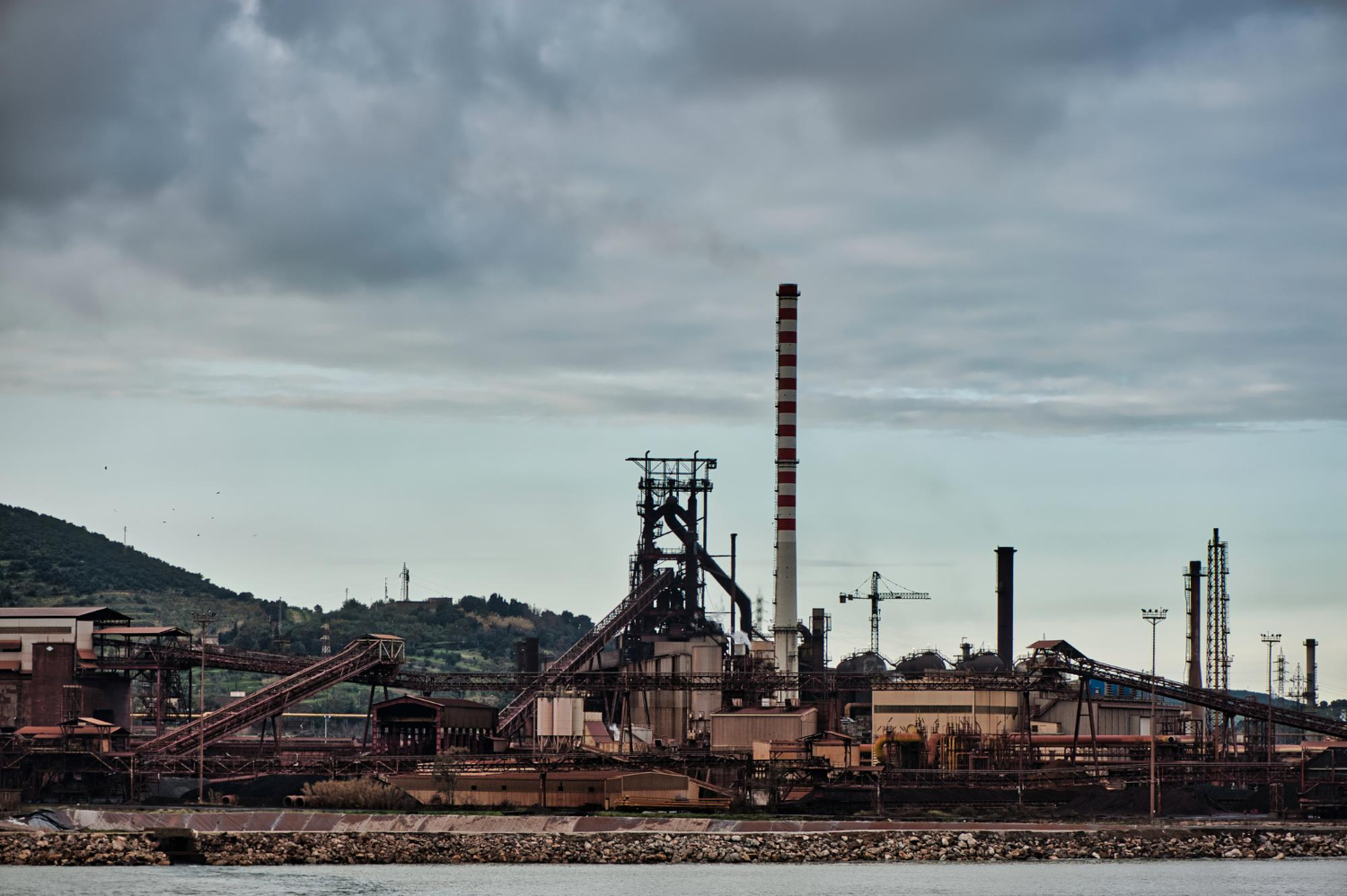
Hydraulic fracturing, or fracking, is a method used to extract oil and natural gas from unconventional reservoirs, especially shale formations. If you’re curious about how energy companies access these hard-to-reach reserves, fracking is the key technique that makes it possible. Learn more about how fracking works and its environmental context from the U.S. Geological Survey.
How It Works:
Fracking involves injecting a high-pressure mixture of water, sand, and chemicals into rock formations. This pressurized fluid creates fractures in the rock, allowing oil and gas to flow more freely. Small particles called proppants, usually high-quality sand, keep these fractures open, ensuring a steady flow of hydrocarbons to the well.
Key Features of Fracking:
Depth: Wells often go deeper than 6,000 feet underground.
Speed: Once a fracture is created, extraction can start within days or weeks, much faster than conventional drilling.
Resource Accessibility: Fracking unlocks oil and gas that traditional drilling cannot reach.
Environmental and Safety Considerations:
There’s a risk of groundwater contamination if well casings fail.
Fracking requires a lot of water, which can strain local supplies.
The process can cause minor earthquakes due to pressure changes underground.
Methane release and chemical handling may contribute to air pollution.
Applications:
You’ll find fracking widely used in shale-rich regions, like the Permian Basin in the U.S., where it has significantly boosted domestic oil and natural gas production.
What Is Oil Drilling?
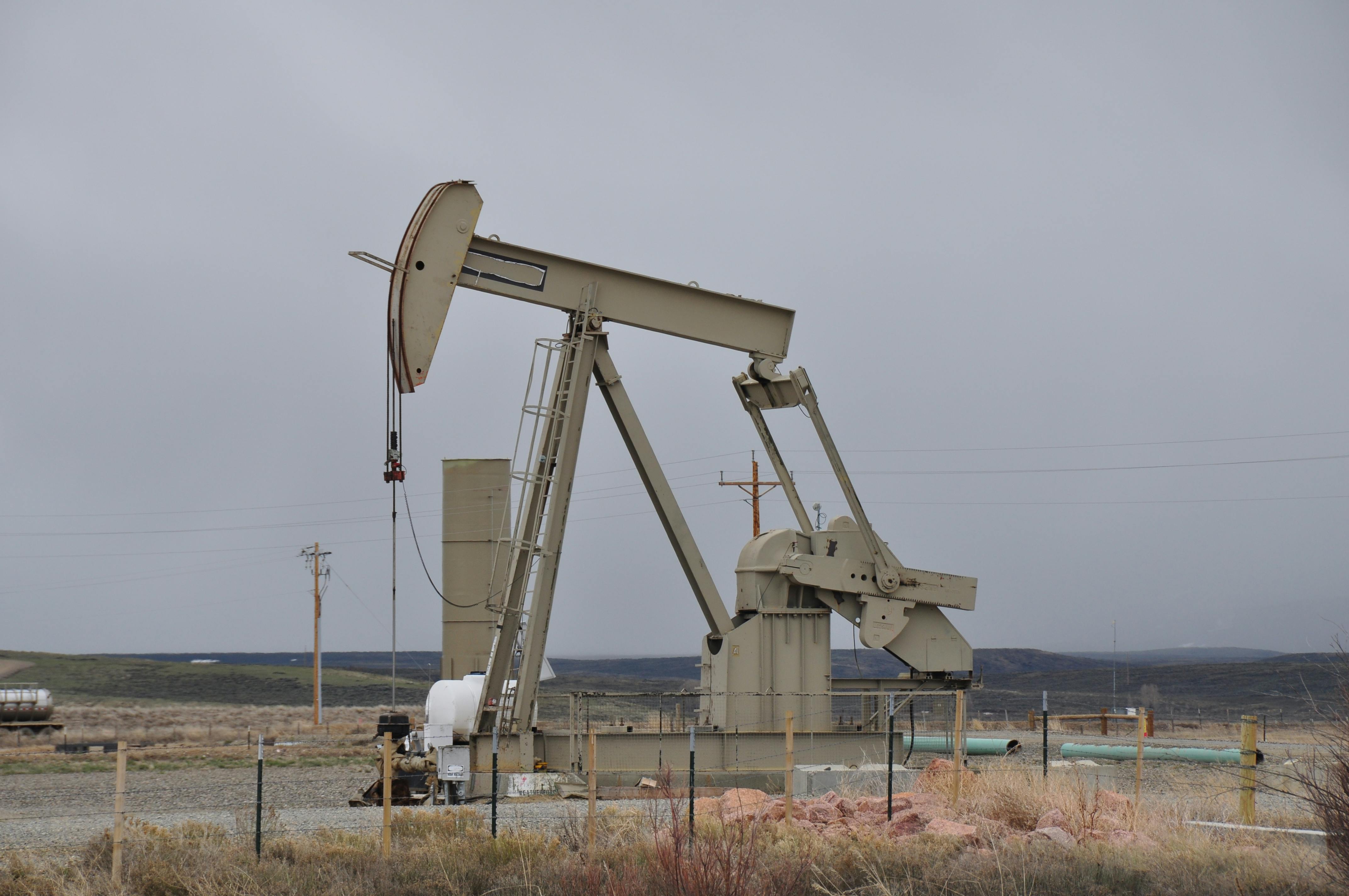
Conventional oil drilling is the traditional method used to access underground reservoirs of oil and gas. If you’ve ever wondered how energy companies reach these resources without fracturing rock, conventional drilling is the process that makes it possible.
Process Overview:
Site Preparation: The area is cleared, leveled, and stabilized to support the drilling rig.
Surface Hole Drilling: Initial layers of earth are penetrated to reach deeper rock formations.
Casing Installation: Steel pipes are placed to prevent the well from collapsing and to protect groundwater.
Intermediate and Production Drilling: Rotary drilling systems target the oil or gas reservoirs.
Well Completion: Equipment is installed to control the flow of hydrocarbons, allowing extraction to begin.
Environmental Considerations:
Preparing the site can disturb soil and local habitats.
Drilling operations generate noise pollution.
There’s a potential risk of water contamination from drilling fluids or accidental spills.
Projects typically take longer than fracking, often months to years before production begins.
Applications:
Conventional drilling is used worldwide, both onshore and offshore. It works best for reservoirs that are relatively easy to access and do not require fracturing to release oil and gas.
Fracking vs. Oil Drilling: Key Differences
Here’s a simple breakdown to help you understand how fracking and conventional oil drilling differ:
Feature | Fracking | Oil Drilling |
Extraction Method | Uses high-pressure fluids to fracture rock | Mechanical penetration of underground reservoirs |
Depth | Often deeper than 6,000 feet | Typically shallower than fracking wells |
Speed | Extraction can start in days to weeks | Projects can take months to years |
Cost | Higher due to specialized fluids, proppants, and equipment | Generally lower, depending on well complexity |
Environmental Risks | Groundwater contamination, minor earthquakes, high water use | Soil erosion, noise pollution, potential water contamination |
Access | Unlocks shale and hard-to-reach formations | Targets conventional, easier-to-access reservoirs |
Analysis:
Fracking is designed for rapid access to hard-to-reach reserves, but it comes with higher upfront costs and significant water use. Conventional oil drilling relies on proven mechanical techniques, which generally take longer and have lower water-related environmental impact, but can affect larger areas of land and habitats. Britannica explains how these methods differ in practice and why geological characteristics matter.
By understanding these differences, you can better evaluate which method suits a particular geological formation, investment, or energy project.
Additional Natural Gas Extraction Methods
Besides fracking and conventional drilling, energy companies use other techniques to extract natural gas:
Horizontal Drilling: Instead of drilling straight down, wells are extended horizontally to reach more of the reservoir. This lets you access a larger area without drilling multiple vertical wells, improving efficiency.
Gas Hydrate Mining: Methane trapped in ice-like structures on the seafloor can be released using heat or depressurization. While promising, this method is still experimental and technically complex.
Coal Bed Methane (CBM) Extraction: Water is pumped from coal seams to release trapped methane gas. CBM provides additional natural gas but requires careful management of water and environmental impact.
Advantages and Challenges:
Horizontal drilling boosts efficiency but requires precise engineering and planning.
CBM and gas hydrate mining offer new gas sources but involve technical difficulties and potential environmental risks.
By understanding these alternative methods, you can see how the energy sector continues to innovate while balancing efficiency, cost, and environmental responsibility.
The Role of Frac Sand in Hydraulic Fracturing
Frac sand plays a crucial role in fracking. You can think of it as the support system that keeps the fractures in the rock open, allowing oil and gas to flow freely to the well.
High-purity silica: Ensures maximum extraction efficiency, helping you get the most from each well.
Grain size and durability: These factors directly affect production rates and how long the well remains productive.
Why it matters: Without high-quality frac sand, the fractures can collapse, reducing overall productivity and the effectiveness of the fracking process.
In short, frac sand is not just a material; it’s a key component that determines how efficiently hydrocarbons are extracted and how long a well can produce.
Choosing Between Fracking vs. Oil Drilling
Deciding which extraction method to use depends on several key factors:
Geological Conditions: If you’re dealing with shale formations, fracking is usually the best option. Conventional drilling works better for reservoirs that are easier to access.
Timeline and Cost: Fracking can deliver faster production, but it comes with higher upfront costs. Conventional drilling takes longer but may be more budget-friendly.
Environmental Regulations: Areas with strict water use or seismic rules may limit fracking, so you need to consider local regulations carefully.
Production Goals: The scale and efficiency of your project can influence which method makes the most sense.
Ultimately, you or your organization must balance efficiency, cost, risk, and environmental responsibility when choosing between fracking and oil drilling. Understanding these factors helps ensure that energy production is both effective and sustainable.
Conclusion
Fracking and oil drilling are two very different ways to extract energy. Fracking lets you access hard-to-reach reserves quickly but comes with higher costs and environmental scrutiny. Conventional oil drilling relies on mechanical methods to tap more accessible reservoirs, often taking longer and impacting larger areas of land.
By understanding the differences between fracking vs. oil drilling, you can make smarter decisions, whether you’re evaluating investment opportunities, shaping policy, or simply trying to understand how energy production affects the environment. Knowing the trade-offs helps you balance efficiency, cost, and sustainability in the energy sector.
Want more insights like this? Subscribe to Invest In Energy’s newsletter for weekly updates
FAQs
Is fracking more expensive than conventional drilling?
Yes, fracking is generally more expensive upfront than conventional oil drilling. It requires specialized high-pressure equipment, large volumes of water, chemical additives, and proppants such as frac sand. These inputs increase capital costs, especially during the initial stages. However, fracking can unlock larger reserves and deliver faster production, which may offset costs over time depending on market prices and well performance.
Can oil drilling access shale formations?
Conventional oil drilling can reach shale formations, but it is usually less effective on its own. Shale rock is dense and traps hydrocarbons tightly, preventing oil and gas from flowing freely. That’s why fracking is often required, to fracture the rock and create pathways for hydrocarbons. Without fracturing, production from shale reservoirs is typically limited and not commercially viable.
Does fracking cause earthquakes?
Fracking itself can cause small, localized seismic events, but these are usually minor and rarely felt at the surface. Larger concerns are often linked to the disposal of wastewater in deep underground injection wells. When fluids are reinjected, pressure changes can trigger seismic activity. Strict monitoring, improved well design, and regulatory controls help reduce these risks in many regions.
Which method is faster, fracking or oil drilling?
Fracking is generally faster when it comes to bringing a well into production. Once drilling and fracturing are complete, oil or gas can begin flowing within days or weeks. Conventional oil drilling typically takes longer, often months or even years, due to extended drilling, testing, and completion phases. If speed to production matters to you as an investor or operator, fracking often has the advantage.
How do environmental risks compare between fracking and oil drilling?
Fracking and oil drilling pose different environmental risks. Fracking involves high water use, potential groundwater contamination, and minor seismic activity. Conventional drilling tends to have a larger surface footprint, causing soil disruption, habitat loss, and noise pollution. Understanding these trade-offs helps you better assess environmental impact, regulatory challenges, and long-term sustainability when comparing fracking vs. oil drilling.

Comments