
Key Takeaways
- Understanding oil and gas operations across upstream, midstream, and downstream segments is essential for investors, professionals, and regulators. Upstream activities focus on exploration and production, midstream ensures safe transportation and storage, and downstream delivers refined products to end users. Technological innovations, digital transformation, and sustainability trends now impact every stage of the value chain. Recognizing these distinctions enables better investment decisions, operational planning, and risk management, while highlighting how each sector contributes uniquely to the global energy industry.
Upstream vs Downstream Oil and Gas Operations: Differences, Value Chain Explained, and Investment Insights
The oil and gas industry is a complex, interconnected ecosystem spanning exploration, production, transportation, refining, and distribution. Recognizing the differences between upstream, midstream, and downstream operations is critical for understanding market dynamics, regulatory compliance, technological requirements, and investment strategies.
This article provides a comprehensive guide to oil and gas operations, detailing sector distinctions, technological trends, value chain interactions, and emerging disruptions shaping the global energy landscape.
Source: freepik
Overview of the Oil and Gas Industry
What Is the Oil and Gas Industry?
The oil and gas sector plays a vital role in the global economy, generating trillions of dollars in revenue each year. Because oil is a primary source for transportation, power generation, and industrial processes, the industry remains fundamental to modern life and economic growth.
The oil and gas industry encompasses exploration, extraction, processing, transportation, refining, and distribution of petroleum and natural gas. Its structure ensures coordinated efforts across upstream, midstream, and downstream operations. Market performance depends on commodity prices, regulatory policies, technological innovation, and supply and demand dynamics.
Some key drivers of the industry are global energy demand and population growth, technological advancements in drilling and production, environmental and regulatory compliance, and geopolitical events affecting supply chains.
Why Understanding Sector Separation Matters
The oil and gas industry can be separated into three sectors: upstream, midstream, and downstream.
Segment | Focus |
Upstream activities | Discovering & extracting hydrocarbons |
Mistream activities | Logistical bridge ie moving raw resources to processing centers |
Downstream activities | Refine crude oil, process natural gas, & deliver consumer-ready products |
Segmenting operations into upstream, midstream, and downstream helps stakeholders allocate capital effectively, manage operational and market risks, enhance regulatory compliance, and identify technological needs specific to each sector.
Each segment involves different organizations, capital requirements, operating risks, regulatory frameworks, and technical competencies. By separating the oil and gas industry into distinct sectors, industry experts and investors can focus on the specifics of each sector.
Upstream Oil and Gas Operations
Definition and Scope
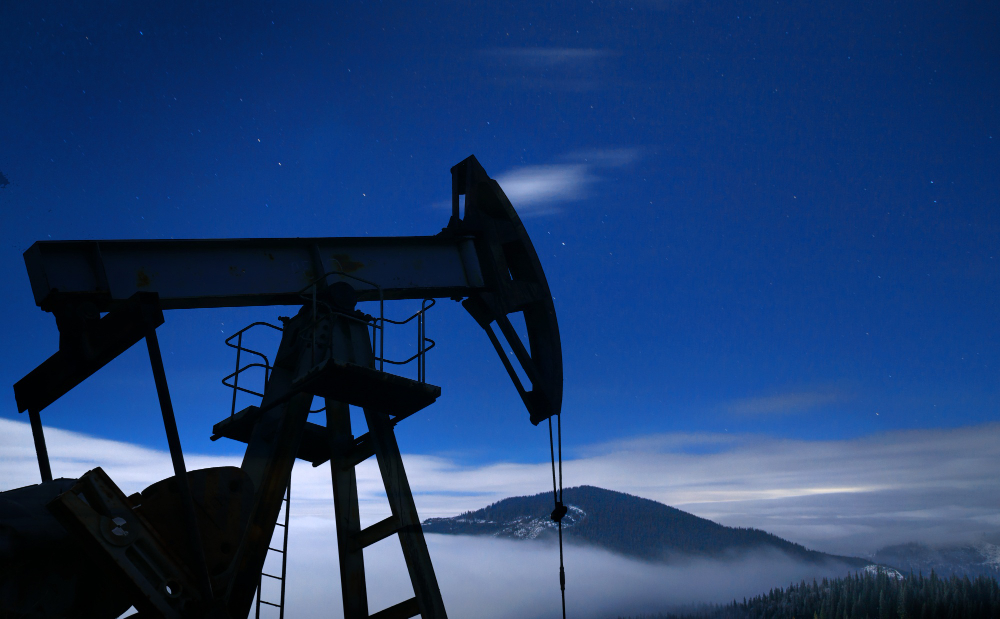
The upstream oil and gas sector handles the riskiest and most capital-intensive work. Billions can be spent on exploration, seismic studies, appraisal wells, and drilling campaigns, often long before a single barrel is sold.
Upstream oil and gas operations, also known as Exploration and Production (E&P), involve locating and extracting crude oil and natural gas. These exploration and production firms identify underground deposits, drill wells, and recover crude oil, natural gas, and other materials.
Key activities in the upstream oil and gas sector include:
Geological and geophysical surveys such as seismic imaging, satellite mapping, and subsurface modeling to identify potential reserves. They use advanced technology in oil and gas operations to handle sound waves, satellite data, and computer models.
Exploratory drilling, which provides for pilot wells to confirm the presence of hydrocarbons; development drilling, where full-scale production wells are constructed; and production management, which encompasses reservoir management, flow optimization, and safety monitoring.
Supporting services such as rig operations, feasibility assessments, equipment and machinery rentals, and chemical input extraction. To accomplish these functions, specialized providers and third parties are often involved. For example, a major company that works in this field is ExxonMobil.
Technology in Upstream Operations
The technology involved in upstream operations is specialized and expensive. Some examples are seismic imaging technology, horizontal drilling, hydraulic fracturing, and digital field management.
Seismic imaging technology involves generating seismic waves and recording the echoes to identify subsurface formations for precise drilling.
Horizontal drilling and hydraulic fracturing are two separate techniques used together to extract oil and natural gas from deep rock formations, maximizing resource extraction from shale and other unconventional reserves. Horizontal drilling is self-explanatory and involves drilling horizontally for a distance after drilling a certain distance vertically.
Hydraulic fracturing is used after the well has been drilled, when a high-pressure fluid mixture is forced into the rock formation, causing it to fracture.
Lastly, digital field management is a technique that integrates specialized technology into oil and gas exploration to increase efficiency. Advanced technologies such as AI analytics, IoT sensors, and automated monitoring are also used to improve drilling efficiency and safety.
Challenges in Upstream Oil and Gas
Unfortunately, there are some challenges in upstream oil and gas operations. High risk, substantial capital investment, long project timelines, and significant technological complexity define the upstream segment. Ventures in the upstream segment are not only capital-intensive but also high-risk investments. Some common risks include:
Commodity price volatility
Fluctuations in oil and gas prices
Environmental concerns & adopting more sustainable practices
Regulatory compliance with both local and international standards
Midstream Oil and Gas Operations
Definition and Scope
The midstream sector serves as the industry’s logistical backbone, managing the transportation of crude oil and natural gas via pipelines, tankers, and rail; storage in tanks, terminals, and underground facilities; and wholesale marketing and product aggregation. The midstream oil and gas industry is much simpler to understand than the upstream and downstream sectors.
This sector’s operations serve as the bridge between upstream production and downstream processing. Key activities in the midstream sector include:
Storage of petroleum products
Processing and developing of petroleum products
Transportation of petroleum products to refineries, distributors, and end-market facilities
Technological Advancements
There have been many technological advancements in the midstream oil and gas sector.
Remote pipeline monitoring uses various technologies to detect leaks and pressure anomalies in real time.
Computerized asset management platforms use a combination of digital tools to streamline operations, track inventory, schedule maintenance, and optimize workflows.
Digital twins in the oil and gas industry are virtual models of the physical assets used to simulate pipeline performance and predict failures.
Challenges in Midstream
Unfortunately, just like the upstream oil and gas sector, the midstream sector is not without its own challenges.
This segment is heavily regulated, especially in pipeline transportation. It also generally carries lower capital risk and is naturally directly tied to the success and output of upstream operations.
Some other challenges include infrastructure investment and maintenance costs, regulatory oversight and safety standards, and environmental compliance, including spill prevention and emissions monitoring.
Downstream Oil and Gas Operations
Definition and Scope
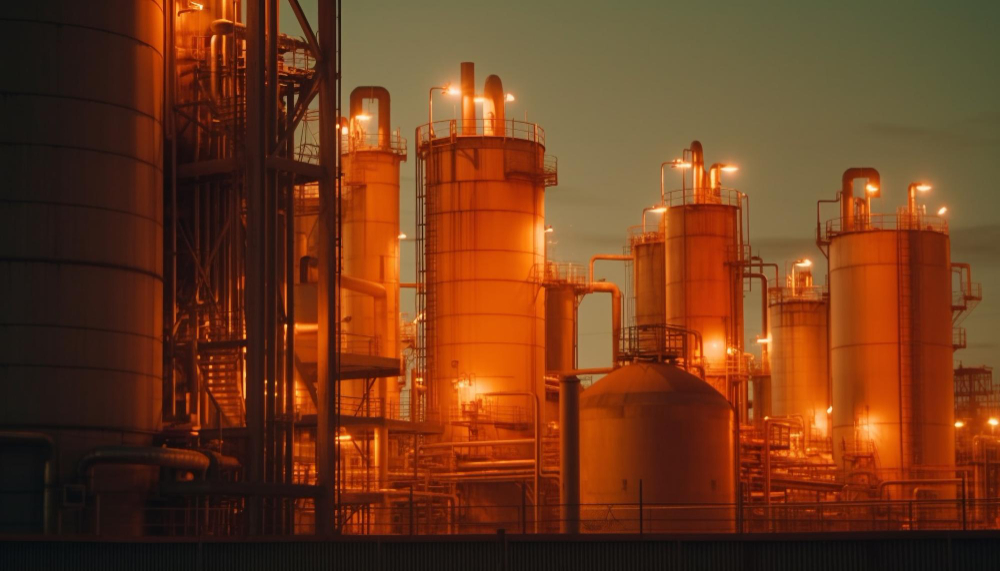
The downstream oil and gas industry focuses on postproduction processing of crude oil and natural gas and on delivering the final products to consumers. Downstream operations convert crude oil and natural gas into marketable products through refining, distribution, and sales and marketing.
Refining involves processing crude oil into gasoline, diesel, jet fuel, and petrochemicals
Distribution involves transporting to retail stations, industrial consumers, and international markets
Sales and marketing involve consumer-focused operations that ensure product quality and brand recognition.
The downstream sector’s operations begin after the production phase and continue to the point of purchase. Companies in the downstream industry include oil refineries, petrochemical facilities, petroleum product distributors, natural gas distributors, and retail fuel outlets.
Technological Innovations
Technological innovations in the downstream oil and gas sector include advanced refining processes for cleaner fuels, data-driven supply chain optimization, and technologies for emissions reduction and environmental monitoring. Many of these innovations focus on environmental impact and consumer needs, since this segment delivers refined products directly to end users and must meet increasingly strict environmental regulations and market expectations.
Challenges in Downstream
There are some challenges in downstream operations just like in midstream and upstream. They include:
Regulatory compliance related to product quality and emissions, such as increased scrutiny and compliance costs
Market fluctuations that affect consumer pricing
Increased competition from renewable energy and alternative fuels
Market volatility, geopolitical conflict, and changing demand are also heavily influencing downstream operations.
Key Differences Between Upstream, Midstream, & Downstream
Aspect | Upstream | Midstream | Downstream |
Focus | Exploration & Production | Transportation & Storage | Refining & Distribution |
Risk Profile | High (geological & market) | Medium (operational & logistics) | Moderate (market & regulatory) |
Revenue Source | Sale of crude oil & gas | Transportation/Storage fees | Finished product sales |
Technology | Seismic, drilling, digital ops | Pipeline monitoring, automation | Refining tech, supply chain AI |
Market Exposure | Commodity price volatility | Infrastructure stability | Consumer demand & regulation |
Upstream vs. Downstream: Strategic Insights
To have a properly functioning oil and gas industry, understanding upstream vs downstream oil and gas operations is essential, with each segment working effectively in its respective sphere. The type of operation in oil and gas production determines an oil or gas company’s position in the supply chain.
When evaluating investment opportunities, investors should consider:
Risk tolerance: an investor's or company's willingness and ability to endure potential losses and market volatility in pursuit of higher returns
Capital allocation: the strategic process of distributing financial resources across various investments, projects, or businesses to maximize returns and manage risk.
Technological trends to assess sector exposure: is evaluating external factors that reshape industries, create new sectors, and impact the risk-return profiles of existing ones.
The upstream sector is high-risk, high-reward; critical for new reserve discovery. The midstream sector involves operational efficiency and logistical reliability to drive profitability. The downstream industry is highly competitive; however, it offers stable margins on finished products and is regulated and consumer-facing.
Current Trends Across the Value Chain
Some current trends across the oil and gas value chain include digital transformation, sustainability, integrated operations, and automation.
Digital transformation involves strategically incorporating modern technologies such as AI, IoT, and predictive analytics to improve operational efficiency.
Sustainability focuses on the environmental and human aspects of the industry and addresses environmental, social, and economic concerns.
Integrated operations involve companies operating across upstream, midstream, and downstream to stabilize revenues and connect people, processes, and technology.
Automation enhances safety, reduces human error, and optimizes asset performance in the oil and gas industry.
Although trends are always changing, it is important that investors are aware and understand them in order to make informed investment decisions.
Source: freepik
FAQs
What is the difference between upstream and downstream operations?
Upstream focuses on exploration and extraction of hydrocarbons, while downstream refines, distributes, and sells petroleum products.
What does the midstream sector do?
Midstream manages the transportation, storage, and logistics of oil and gas from production sites to processing facilities.
Which sector carries the highest investment risk?
Upstream typically carries the highest risk due to geological uncertainties and commodity price volatility.
How does technology impact oil and gas operations?
Digital platforms, AI analytics, and automation optimize production, reduce operational risk, and improve environmental compliance across all sectors.
Why is understanding the value chain important for investors?
Knowledge of sector-specific risks, revenue models, and technological trends allows investors to make informed decisions and diversify strategically.
Conclusion
The oil and gas industry relies on a structured value chain spanning upstream, midstream, and downstream operations. Upstream delivers exploration and extraction of crude oil and natural gas; midstream ensures safe and efficient resource transport and storage; and downstream involves postproduction of crude oil and natural gas and delivery of the final products to consumers.
Emerging technologies, digital transformation, and sustainability initiatives are reshaping each sector, increasing efficiency, reducing risk, and influencing investment strategies. Recognizing these distinctions enables industry professionals, investors, and regulators to make informed, strategic decisions within the global energy market.
