

Key Takeaways
- The 2023 surge in US crude oil production reshaped employment, invigorated multiple industries, and expanded economic opportunities nationwide. From tech and healthcare to restaurants and logistics, the benefits of rising oil output demonstrate how deeply energy production is woven into the American economic fabric. Understanding this interconnectedness is essential for policymakers, business leaders, and analysts seeking to navigate the evolving energy landscape.
When Energy Booms
The historic US crude oil production levels witnessed by the United States of America in 2023 led to a paradigm shift in the U.S. Economy, which extends beyond the oil and gas industry. According to data provided by the U.S. Energy Information Administration, the United States saw a record level of crude oil and gas production due to efficiency, driven by global demand, as well as investments by major producers like Exxon, Chevron, and Shell.
Analyses of economic modeling data from IMPLAN, as well as corporate earnings transcripts, reveal that it caused spillover effects in other sectors, such as the technology space, healthcare sector, logistics industry, restaurants, construction services, and professional services. This guide highlights the implications of increased crude oil output in terms of affected sectors and occupations in the US economy.
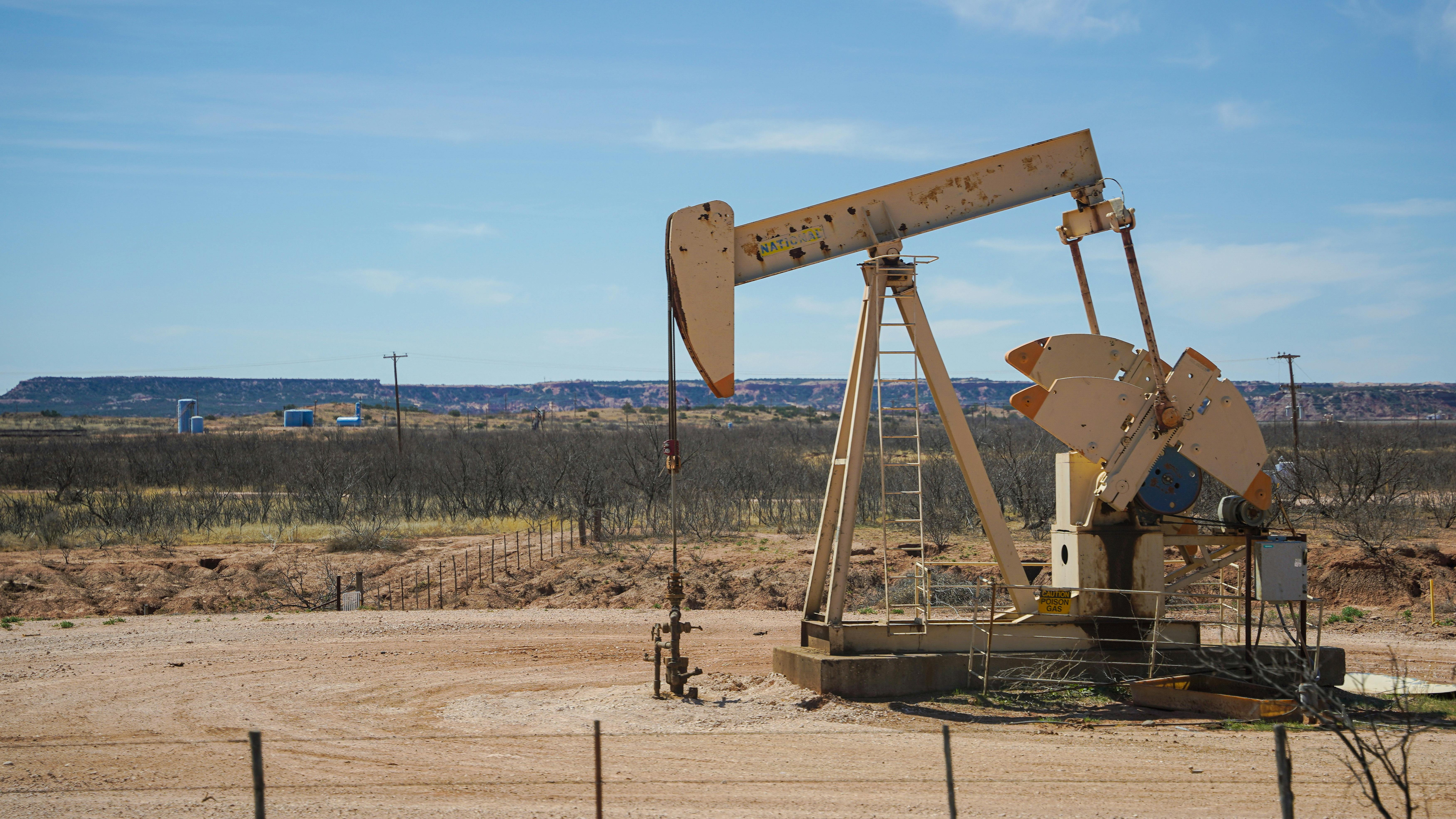
The Scale of the Surge: What 8.5% Growth Really Means
A 8.5% year-over-year growth in crude oil output does not count as ordinary market fluctuation; it indicates a paradigm shift driven in part by advances such as horizontal drilling. Normally, the annual growth in oil reserves is incremental in nature and may be due to market fluctuations as a consequence of drilling slowdowns or any pricing factors. The 2023 growth was different because it was backed by several reasons:
Efficiency of drilling: There has been a higher efficiency of drilling due to the use of horizontal drilling and multi-well pads.
Stable to rising global demand: Notwithstanding the talk of energy transition, demand for oil held up well, especially in the case of transport fuels, petrochemical products, and exports.
Heavy investments: Major oil and gas producers focused on shale resource investments, particularly in the Permian Basin.
Favorable market conditions: The emergence of a competitive landscape in U.S. costs of production created a favorable market condition.
For the energy sector, it implied strong cash flows and profitability. For the economy, it indicated activity that would sustain employment, salaries, and development, not only around oil and gas producing areas but also elsewhere.
The States Driving US Crude Oil Production
More than 65% of the total oil and natural gas liquids production in the U.S. comes from just three states, giving the American economy its energy security.
Texas - 50.9%
Texas still leads as a clear leader among all other U.S. states regarding the production of crude oil. This is particularly attributed to its discovery in one of the most productive regions when it comes to oil production, known as the Permian Basin, located in Texas. The advantages that Texas enjoys economically include:
Jobs in drilling, refining, and petrochemicals
Manufacturing of energy equipment
Professional services like engineering, financial, and legal services
Oklahoma - 9.9%
Oklahoma has an important role in the mid-continent region for both production and refining. Its production serves:
Midstream logistics and storage
Drilling and completion services
Refining plants serving the regional domestic market
Colorado - 5.1%
Although it is smaller in terms of scope, Colorado’s industries provide employment for thousands of people in the following sectors:
Mining and Extraction
Construction and infrastructure
Transportation and Warehouse
Altogether, these states shape the supply chain, taxation base, and employment dynamics of the country beyond their borders.
How Oil Production Growth Creates Economic Ripple Effects
Oil production is a high-multiplier industry, meaning every dollar spent generates multiple dollars across the economy. This happens because of the complexity involved in drilling operations like equipment manufacturing, transportation, and professional services.
As a result, increased job opportunities and pay benefits energy sector employees, as they get to spend money within the community on dining, retail, housing, and healthcare. On the other hand, energy production sustains transportation, commerce, and industries as it delivers a consistent source of energy.
In the downstream sector, the refineries and petrochemical plants produce fuels and raw materials that find their way into common consumer products. From IMPLAN’s analysis, the consequences of drilling oil create significantly enhanced jobs that are not limited to drilling locations.
Top Industries Gaining Employment
The economic ripple effects caused by increased oil production can now be followed into several industries that are generally not energy-related. Estimates by the IMPLAN model indicate that the largest employment opportunities were in custom computer programming services, which grew by 17,000 jobs, owing to the increased need for automation, data analysis, and monitoring in the new world of oil production.
Food services (+9,000 jobs) was stimulated by the rise in population and local spending in areas where energy was produced, while administration of companies and enterprises (+8,000 jobs) was stimulated by the expansion of businesses, which created more jobs in administration. Hiring and employment services (+8,000 jobs) also increased.
Hospitals (+3,000 jobs) also experienced increased demand due to increased labor force expansion, thereby recording a higher demand. Together, these trends highlight the broad reach of oil-driven economic stimulation across diverse sectors.
Top Occupations Gaining Employment
The increased level of crude oil production in 2023 contributed to job market growth in many job types that are not energy-related. Computer sector occupation levels rose by (+10,000 jobs) due to increased investments in automation, networking, digital oilfield, and cybersecurity by oil producers.
Business operations specialists (+7,000 jobs) were crucial for coordination, logistics, and management, and material moving workers (+6,000 jobs) were required for transporting machinery, goods, and petroleum products. The increasing local population and expenditures also added to the need for food and beverage service workers (+5,260 jobs) and retail sales workers (+5,000 jobs).
These jobs show how the increase in production of crude oil in the United States affected the demand for labor in various sectors.

Broader Economic Implications
The increased U.S. crude oil production, besides the employment benefits, has led to significant spillovers beyond the job gains: the regional GDP growth was higher in oil-producing states due to higher production, increasing wages, and tax revenues that support infrastructure and public services.
On a national level, the increased energy independence led to reduced reliance on imported foreign oil and gave rise to energy security. The industry's need for precision, efficiency, and data-driven operations also resulted in technology and innovation spillovers, with the advances being more and more adopted in healthcare, manufacturing, and logistics.
Where energy supplies are plentiful, higher employment and incomes have a positive effect on the quality of life, while the continued capital investment along the supply chains, for example, in equipment manufacturing, engineering, and construction, strengthens the long-term economic resilience.
These effects combined illustrate the mechanism by which growth in oil production sets off a chain reaction across the broader economy.
Looking Ahead: Will the Momentum Continue?
The future path of U.S. crude production will be shaped by a number of market, policy, and technology considerations. Global petroleum prices and demand patterns will continue to be important, as they provide ongoing support to investments and production. At the same time, federal and state government policies could affect permitting, production conditions, and future plans of producers.
Advances in technology that continue to improve efficiency in recovery rates are likely to aid in sustaining levels, even as the maturity of some of the fields is a reality. Further development of the necessary infrastructure in the different sectors, like pipelines and refineries, will be essential in this industry. Lastly, investment choices by the different major companies will be crucial in controlling how fast new developments can be pursued.
If these trends continue in an affirmative way, the economic "ripple effects" that occurred in the year 2023 are estimated to continue. This, in turn, will foster economic growth in regions, as well as national economic stability.
Conclusion
The crude oil production in the United States saw a steep rise that was not only the gain of energy but also a major change in the employment patterns, revival of the industries, and an extension of the economic opportunities to almost every part of the country. The increased production of oil is a very strong indicator of the close integration between energy generation and the whole American economy, as it influences practically all sectors, from the most advanced and delicate ones, such as technology and healthcare, to the very simple and common ones, like restaurants and logistics. The scenario is so complicated and deep that it is of great importance for the policy makers, business leaders, and analysts to have a proper understanding of the case before being able to manage the transition to the new energy landscape smoothly and successfully.
