
Key Takeaways
- The energy sector is being shaped by three major trends: tightening oil supplies, record U.S. natural gas production, and rising electricity demand. While supply disruptions continue to support crude oil prices, expanding natural gas output and LNG exports are creating new growth opportunities across the energy value chain. At the same time, increasing power consumption driven by AI data centers, electrification, and commercial activity is boosting demand for utilities, grid infrastructure, and energy generation. Together, these trends highlight the importance of looking beyond commodity prices and focusing on the broader forces transforming energy markets through 2027.
Introduction
The latest U.S. Energy Information Administration (EIA) Short-Term Energy Outlook reveals three major trends that could shape energy markets through 2026 and 2027. While headlines often focus on oil prices, the bigger story is how supply disruptions, record natural gas production, and rising electricity demand are reshaping the investment landscape.
For investors, understanding these trends is more important than simply tracking commodity prices. Each trend points to potential opportunities across energy producers, utilities, infrastructure companies, and renewable energy developers.
Energy Trends at a Glance

Image Source: Pexels
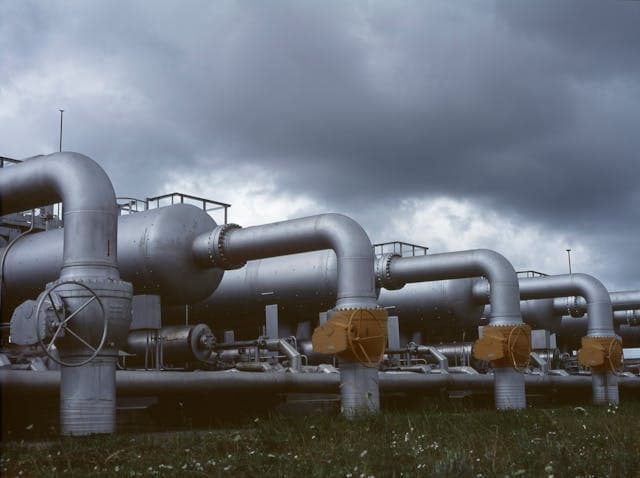
The latest U.S. Energy Information Administration (EIA) Short-Term Energy Outlook highlights three trends that could have the biggest impact on energy markets and investment opportunities over the next two years. While oil prices continue to respond to global supply disruptions, record natural gas production and rising electricity demand are emerging as equally important forces shaping the energy sector. The table below summarizes these key themes and their potential implications for investors.
Trend | Current Outlook | Investor Impact |
Oil Markets | Global inventories expected to fall by 2.6 million b/d | Supports crude prices and energy producer earnings |
Natural Gas Production | Production forecast to reach 121.8 Bcf/d in 2026 | Benefits LNG exporters and midstream operators |
Electricity Demand | Demand expected to grow 1.3% in 2026 and 3.1% in 2027 | Supports utilities and grid infrastructure |
Source: U.S. Energy Information Administration (EIA), Short-Term Energy Outlook (STEO), May 2026.
Although each trend affects a different part of the energy value chain, they are closely connected. Tight oil markets can support higher commodity prices, expanding natural gas production helps meet growing domestic and export demand, and rising electricity consumption creates long-term opportunities for utilities and infrastructure providers.
Together, these developments suggest that investors should look beyond oil prices alone and pay attention to the broader energy ecosystem, particularly as demand from AI, data centers, and electrification continues to accelerate.
1. Oil Markets Remain Tight Despite Expectations of Future Supply Growth
Oil markets continue to face supply-side pressures as production disruptions in the Middle East reduce available crude supplies. The latest EIA forecast expects global oil inventories to decline by 2.6 million barrels per day in 2026, a sharp revision from the previous forecast of a 0.3 million barrels per day decline.
Inventory draws are one of the most important indicators in oil markets. When inventories fall, it generally signals that demand is outpacing supply, which tends to support higher crude prices. This dynamic helps explain why Brent crude surged above $130 per barrel during recent market disruptions.
Although EIA expects oil production to gradually recover and inventories to rebuild in 2027, current market conditions suggest that crude prices may remain more resilient than many investors anticipated earlier this year.
What It Means for Investors
Tighter oil markets can create favorable conditions for upstream energy companies involved in exploration and production. Higher commodity prices often translate into stronger cash flows, improved profitability, and increased shareholder returns.
However, investors should also recognize that elevated oil prices can create inflationary pressures across the broader economy. Industries that rely heavily on transportation and fuel costs may face margin pressure if energy prices remain elevated.
The key takeaway is that oil markets remain vulnerable to supply disruptions, and inventory trends will likely remain one of the most important indicators to watch over the coming quarters.
2. Natural Gas Production Keeps Setting Records
While oil markets are attracting attention due to geopolitical uncertainty, the natural gas market is quietly undergoing a major transformation.
According to the latest EIA outlook, U.S. marketed natural gas production is expected to average 120.8 billion cubic feet per day in 2026 before rising further to 122.3 billion cubic feet per day in 2027. Much of this growth is coming from the Permian Basin and Haynesville regions, where producers continue to improve efficiency and increase output.
At the same time, LNG export capacity continues to expand, strengthening the United States' position as a major supplier to global energy markets. New export facilities are increasing demand for U.S. natural gas, helping support long-term market fundamentals.
Despite rising export demand, EIA expects Henry Hub natural gas prices to remain relatively contained because production growth is outpacing consumption growth.
What It Means for Investors
For investors, the natural gas story extends beyond commodity prices.
Pipeline operators, LNG exporters, midstream infrastructure companies, and gas-focused producers may all benefit from rising production volumes. Even if natural gas prices remain moderate, higher throughput and export activity can support revenue growth across the value chain.
Natural gas also continues to play a critical role in electricity generation, making it one of the most important bridge fuels in the ongoing energy transition. Companies positioned to support growing domestic demand and export growth could remain attractive investment opportunities over the next several years.
3. Electricity Demand Is Becoming the Bigger Story
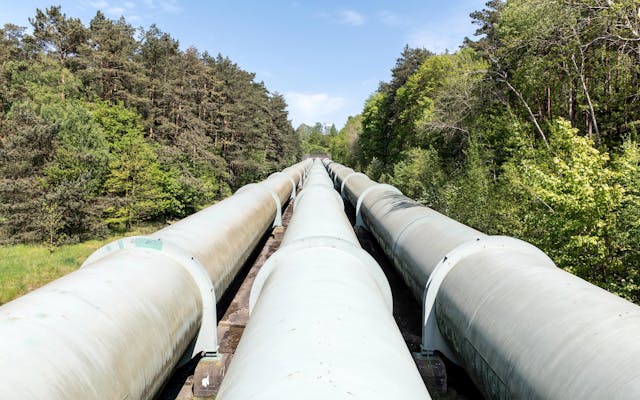
Image Source: Pexels
While oil and natural gas often dominate energy headlines, electricity demand may be the most important long-term trend emerging from the latest energy outlook.
EIA forecasts U.S. electricity consumption to increase by 1.3% in 2026 and another 3.1% in 2027. Commercial electricity demand is expected to become one of the fastest-growing segments of the market, reflecting changes in how businesses consume power.
A major driver behind this growth is the rapid expansion of artificial intelligence infrastructure and data centers. AI models require enormous computing power, and those facilities consume significant amounts of electricity around the clock. As technology companies continue investing billions of dollars into AI development, electricity demand is likely to rise alongside it.
At the same time, cloud computing, manufacturing expansion, electrification initiatives, and population growth continue to increase pressure on power grids across the country.
What It Means for Investors
This trend could create opportunities well beyond traditional utility stocks.
Investors may benefit from monitoring companies involved in:
Electric utilities
Power transmission infrastructure
Natural gas-fired generation
Renewable energy development
Energy storage systems
Grid modernization technologies
Unlike short-term commodity price cycles, electricity demand growth represents a structural trend that could persist for years. Companies that help generate, transport, and manage electricity may become some of the biggest beneficiaries of the next phase of energy market growth.
The Bottom Line
The latest energy outlook highlights three themes investors should keep on their radar: tight oil markets, record natural gas production, and accelerating electricity demand.
Oil markets remain sensitive to supply disruptions, natural gas continues expanding through production and LNG exports, and electricity demand is emerging as a powerful long-term growth driver fueled by AI, data centers, and commercial activity.
While commodity prices will continue to fluctuate, these broader trends may have a much greater impact on the energy sector's investment opportunities over the next several years. Investors who focus on the underlying drivers of supply, demand, and infrastructure growth may be better positioned to identify opportunities as the energy landscape continues to evolve.
