


Key Takeaways
- Natural gas stocks are positioned for long-term growth due to rising LNG exports and power demand. You can build a resilient portfolio by combining producers, exporters, and pipeline operators.
The best natural gas stocks in 2026 combine low-cost production, LNG export exposure, and stable cash flows. Companies like EQT, Cheniere Energy, and Energy Transfer benefit from structural demand growth, while midstream firms provide income stability even in lower price environments.
Introduction
Natural gas stocks are attracting renewed investor attention in 2026 as global energy demand continues to rise and liquefied natural gas (LNG) exports reach record levels. While oil often dominates energy headlines, natural gas has become an increasingly important fuel source for electricity generation, industrial activity, and international energy security. As a result, companies involved in producing, transporting, and exporting natural gas are benefiting from long-term demand growth and improving cash flows.
For investors, natural gas stocks offer several ways to gain exposure to the energy sector. Upstream producers can benefit from higher commodity prices, midstream operators generate stable income through pipeline and storage infrastructure, and LNG exporters provide access to growing global markets. Each segment plays a different role in the natural gas value chain and offers a unique combination of growth potential and risk.
In this guide, we'll examine the best natural gas stocks to buy in 2026, what makes them attractive investments, the major drivers supporting the industry, and how to build a portfolio that can benefit from the long-term growth of natural gas demand.
Quick Comparison of the Best Natural Gas Stocks in 2026

Image generated by AI
Before diving into individual companies, it helps to understand how each stock fits into the natural gas value chain. Some companies focus on production, while others generate revenue from transportation, storage, or exports. This diversification means each stock may respond differently to changes in natural gas prices and demand.
Company | Ticker | Type | Key Strength | Risk Level |
|---|---|---|---|---|
EQT Corporation | EQT | Producer | Largest U.S. gas producer | Medium |
Cheniere Energy | LNG | LNG Exporter | Global LNG demand exposure | Medium |
Energy Transfer | ET | Midstream | High yield and stable cash flow | Low |
Kinder Morgan | KMI | Midstream | Extensive gas infrastructure | Low |
Coterra Energy | CTRA | Producer | Diversified production portfolio | Medium |
Chesapeake Energy | EXE | Producer | Improved financial discipline | High |
Antero Resources | AR | Producer | Strong leverage to gas prices | High |
How Natural Gas Stocks Make Money
Natural gas companies operate in different parts of the energy value chain, and understanding these business models can help investors evaluate risk and return potential.
Upstream Producers
Upstream companies explore for and produce natural gas. Their earnings are closely tied to commodity prices, meaning profits can rise significantly during periods of strong demand and higher natural gas prices. EQT Corporation, Chesapeake Energy, and Antero Resources are examples of producers.
Midstream Operators
Midstream companies own pipelines, storage facilities, and processing infrastructure that move natural gas from production regions to consumers. These businesses often generate fee-based revenue, making them less sensitive to fluctuations in commodity prices. Energy Transfer and Kinder Morgan fall into this category.
LNG Exporters
Liquefied natural gas exporters purchase, process, and ship natural gas to international markets. Their revenue is often supported by long-term contracts, which can provide more predictable cash flow. Cheniere Energy is the leading example of this business model in the United States.
Understanding these differences can help investors build a balanced portfolio that combines growth potential with income stability.
What are the best natural gas stocks to buy in 2026?
The best natural gas stocks in 2026 are companies that control production, transportation, or export infrastructure. Since each segment responds differently to price changes, investors often compare them alongside the best oil and gas stock options to build a more balanced and diversified energy portfolio.
EQT Corporation
EQT Corporation is the largest natural gas producer in the United States, with core operations in the Appalachian Basin. Its scale allows it to achieve low breakeven costs, often estimated below $2.50 per MMBtu based on company disclosures.
This cost advantage means EQT can remain profitable even when gas prices decline. The company has also focused on improving operational efficiency and free cash flow generation, which supports shareholder returns.
Cheniere Energy
Cheniere Energy is the leading U.S. exporter of liquefied natural gas. Its terminals, including Sabine Pass and Corpus Christi, supply global markets under long-term contracts.
According to company filings, a large portion of its capacity is contracted, which reduces exposure to short-term price volatility. This makes Cheniere a key beneficiary of rising global demand for LNG.
Energy Transfer LP
Energy Transfer operates one of the largest pipeline networks in North America. Its business model is largely fee-based, meaning revenue depends on volumes transported rather than commodity prices.
This structure supports a relatively high dividend yield and stable cash flows. Pipeline operators like Energy Transfer often perform well during periods of price volatility because their income is less sensitive to market swings.
Coterra Energy
Coterra Energy combines natural gas production in the Marcellus with oil exposure in the Permian Basin. Its diversified asset base allows it to balance growth and stability.
The company is known for maintaining low production costs, which supports profitability across different price environments. It also returns capital to shareholders through dividends and buybacks.
Kinder Morgan
Kinder Morgan operates an extensive network of pipelines and storage facilities across North America. Its assets are critical for transporting natural gas from production regions to end markets.
The company generates most of its revenue from long-term contracts, which provides predictable cash flow. This makes it a common choice for income-focused investors.
Chesapeake Energy
Chesapeake Energy has undergone significant restructuring in recent years, improving its balance sheet and operational efficiency. The company focuses on disciplined capital allocation and returns excess cash to shareholders.
Its performance is more directly tied to natural gas prices, making it a higher-risk, higher-reward option.
Antero Resources
Antero Resources is focused almost entirely on natural gas production, with operations in the Marcellus and Utica shale regions. This makes it highly sensitive to gas price movements.
The company benefits from LNG export growth, as increased global demand supports higher domestic production and pricing.
What Makes a Great Natural Gas Stock?
Not all natural gas stocks offer the same risk and reward profile. Investors should focus on several key factors when evaluating potential investments.
Low Production Costs
Companies with lower breakeven costs can remain profitable even when natural gas prices decline. Producers with efficient operations are often better positioned to weather market downturns.
Strong Free Cash Flow
Free cash flow provides financial flexibility for debt reduction, share buybacks, dividends, and future growth investments. Consistent cash generation is often a sign of operational strength.
Healthy Balance Sheets
Lower debt levels reduce financial risk and improve a company's ability to navigate commodity price volatility. Investors should monitor leverage metrics such as debt-to-EBITDA ratios.
LNG Export Exposure
Growing global demand for LNG is creating new opportunities for U.S. producers and exporters. Companies with direct or indirect exposure to export markets may benefit from stronger long-term demand trends.
Shareholder Returns
Many investors look for companies that return capital through dividends and share repurchase programmes. Sustainable distributions can enhance total returns over time.
Why are natural gas stocks outperforming in 2026?
Natural gas stocks are benefiting from long-term demand growth rather than short-term price cycles. According to the International Energy Agency, global natural gas demand continues to expand due to its role as a transition fuel and its lower emissions compared to coal.
In the United States, LNG exports are a major driver. The U.S. Energy Information Administration projects continued growth in export capacity as new terminals come online. This creates a steady outlet for domestic production.
Another emerging factor is power demand from data centers and artificial intelligence infrastructure. While projections vary, industry estimates suggest that electricity demand from data centers could increase significantly over the next decade, indirectly supporting natural gas consumption.
Midstream companies also contribute to outperformance. Because their revenues are tied to volumes rather than prices, they provide stability even when commodity markets are volatile.
Several LNG export projects are expected to increase U.S. export capacity over the coming years. As more domestic gas reaches international markets, producers may benefit from stronger demand and improved pricing opportunities.
How should you invest in natural gas stocks?
Investing in natural gas stocks requires balancing growth potential with income stability. A diversified allocation across different segments of the energy value chain can help reduce risk and improve long-term returns. These decisions are often shaped by broader energy market trends, including Key Factors Influencing Oil Prices and Their Economic Impact, since changes in oil pricing, global demand, and supply dynamics can also influence natural gas performance across regions.
A practical framework includes:
Focus on companies with low breakeven costs, ideally below $2.50 per MMBtu
Prioritize strong free cash flow and manageable debt levels
Combine upstream producers with midstream pipeline operators
Include LNG exporters for global demand exposure
Reinvest dividends to compound returns over time
This approach helps you capture upside from rising prices while maintaining resilience during downturns.
What investment strategies work best for natural gas stocks?
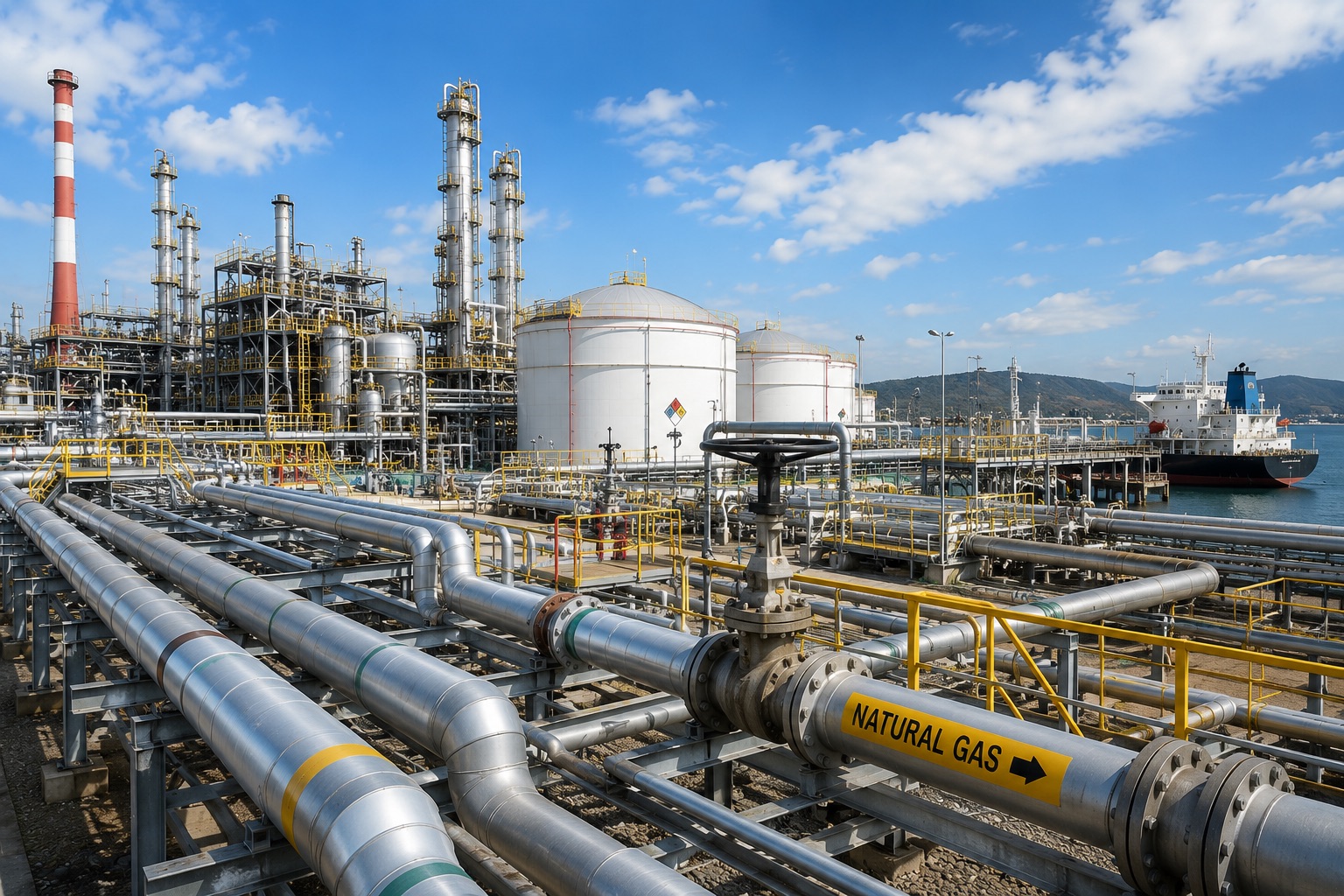
Image generated by AI
Different strategies can be used depending on market conditions and your investment goals.
A long-term strategy focuses on holding a diversified basket of producers and infrastructure companies. This allows you to benefit from structural demand growth and dividend income.
A cyclical strategy involves increasing exposure ahead of peak demand periods, such as winter months when heating demand rises. This approach relies on understanding seasonal patterns in natural gas consumption.
An income-focused strategy prioritizes midstream companies with stable dividends. These firms can provide consistent cash flow regardless of short-term price movements.
Each strategy can be effective when aligned with your risk tolerance and investment horizon.
What risks should you consider before investing?
Natural gas stocks can provide attractive growth and income opportunities, but investors should understand the risks that can affect company performance and share prices. Key risks include:
Commodity Price Volatility: Natural gas prices can fluctuate significantly due to changes in supply, demand, weather patterns, and global energy markets. Lower prices can reduce revenue and profitability for producers.
Natural Gas Storage Levels: Storage inventories play an important role in determining market prices. High natural gas storage levels can create excess supply and put downward pressure on prices, while lower inventories may support stronger pricing.
Oversupply Risk: Improvements in drilling technology have increased production efficiency, but excessive supply can weigh on natural gas prices and reduce earnings across the sector.
Weather Risk: Natural gas demand is heavily influenced by weather conditions. Warmer-than-expected winters can reduce heating demand, while extreme weather events may disrupt production and transportation infrastructure.
LNG Export Risk: Many natural gas companies are benefiting from growing LNG exports. However, project delays, regulatory challenges, geopolitical tensions, or weaker global demand could slow export growth.
Regulatory and Environmental Risk: Changes in environmental regulations, permitting requirements, or government policies can impact pipeline projects, export terminals, and other infrastructure developments.
Economic Slowdown Risk: Natural gas is widely used across industrial and manufacturing sectors. A weaker economy can reduce energy consumption and negatively affect company revenues and cash flows.
While these risks should be considered, investors can reduce exposure by diversifying across natural gas producers, pipeline operators, and LNG exporters rather than relying on a single segment of the industry.
Conclusion
The best natural gas stocks in 2026 reflect a shift toward structural demand growth driven by LNG exports and increasing energy consumption. Companies like EQT and Antero Resources benefit from production scale, while Cheniere Energy captures global demand through exports. Midstream operators such as Energy Transfer and Kinder Morgan provide stability through fee-based business models.
For investors, the key is balance. Combining growth-oriented producers with income-generating infrastructure creates a portfolio that can perform across different market conditions. With the right allocation and discipline, natural gas stocks can play a valuable role in a diversified energy investment strategy.
FAQs
What is the best natural gas stock for dividends?
Energy Transfer is often considered one of the top dividend-paying natural gas stocks due to its high yield and stable fee-based revenue model. Pipeline companies generally provide more consistent income compared to producers because their earnings are less sensitive to commodity prices.
Is EQT better than Coterra Energy?
EQT has a larger production scale and stronger positioning as a pure natural gas producer. Coterra offers more diversification with exposure to both natural gas and oil. The better choice depends on whether you prefer focused exposure or a more balanced energy portfolio.
Is Cheniere Energy a safe investment?
Cheniere Energy benefits from long-term LNG contracts, which provide predictable revenue streams. While it is still exposed to global energy markets, its contract structure reduces short-term volatility compared to pure commodity producers.
Are midstream companies less volatile than producers?
Midstream companies such as Energy Transfer and Kinder Morgan are generally less volatile because their revenues are based on transportation volumes rather than commodity prices. This makes them more stable during periods of price fluctuation.
How much should you allocate to natural gas stocks?
A typical allocation ranges from 5 to 8 percent of a diversified portfolio. This provides meaningful exposure to the sector while limiting risk. The exact allocation should depend on your investment goals and tolerance for volatility.
What is the safest natural gas stock to buy?
For conservative investors, Kinder Morgan is often considered one of the safer natural gas stocks because its revenue is supported by long-term transportation and storage contracts rather than direct exposure to natural gas prices. This can result in more stable cash flows and lower volatility compared to producers.

Comments