
Key Takeaways
- Texas upstream oil and gas employment increased by 400 jobs in April, marking the second consecutive month of gains after a period of industry weakness. While employment remains below year-ago levels, improving oil prices and higher drilling activity may indicate stabilizing conditions. For investors, the data provides another signal that upstream activity could be recovering, although sustained growth will depend on broader market conditions and future capital investment.
Texas' upstream oil and gas sector added jobs for a second straight month in April 2026, signaling improving activity across parts of the energy industry.
According to data released by the Texas Workforce Commission, upstream employment increased by 400 positions during April, bringing total sector employment to approximately 193,200 workers. The gain follows a similar increase in March and suggests that industry conditions may be stabilizing after a period of weakness.
Recent improvements in oil prices and modest increases in drilling activity have contributed to stronger operating conditions for producers across several Texas oil and natural gas regions.
Texas Upstream Employment Snapshot
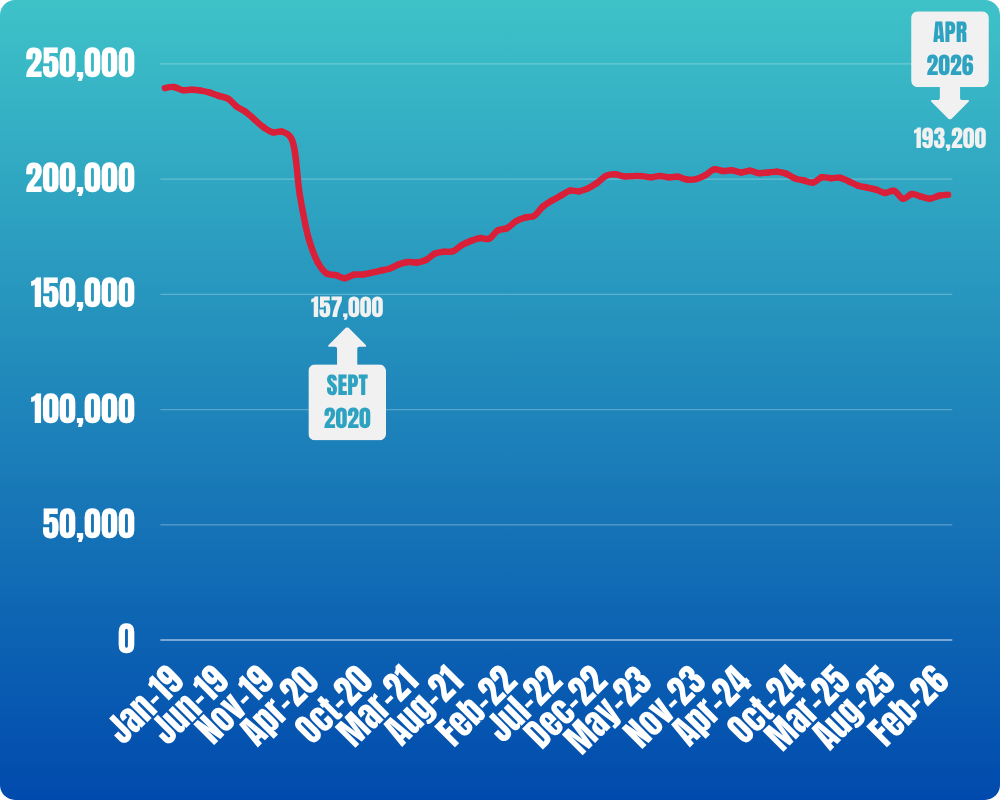
Image Source: Txoga
The upstream sector includes activities related to oil and natural gas exploration, drilling, and production. It also incorporates support services associated with extraction operations, such as drilling contractors, well servicing companies, and certain mining support activities.
However, the figures do not include employment from downstream and midstream segments such as refining, petrochemicals, pipeline transportation, fuel distribution, equipment manufacturing, or utility operations. Those sectors collectively support hundreds of thousands of additional energy-related jobs throughout Texas.
What Is Driving the Recent Employment Increase?
Several market indicators have shown modest improvement in recent months.
Oil prices strengthened during the spring after experiencing weakness earlier in the year. Higher commodity prices often encourage producers to maintain or expand drilling programs because project economics become more attractive. At the same time, Texas rig counts recorded modest gains, indicating increased field activity.
Together, these developments can lead operators to hire additional workers for drilling, completion, production, and field-support roles.
Industry participants continue to monitor market conditions closely, particularly as global energy markets face ongoing uncertainty. Despite those challenges, operational activity in major producing regions appears to have stabilized enough to support limited workforce expansion.
Employment Trends and Market Conditions
Industry Indicator | Recent Trend | Potential Impact |
Oil Prices | Improved from Earlier Lows | Supports Production Activity |
Texas Rig Count | Modest Increase | Signals Additional Drilling |
Upstream Employment | Growing for Two Months | Indicates Improving Activity |
Year-over-Year Jobs | Lower Than 2025 Levels | Reflects Previous Market Weakness |
Although the recent gains are encouraging, the broader employment picture remains mixed. Compared with April 2025, upstream employment is still down by approximately 7,400 jobs, reflecting the impact of softer energy prices and reduced drilling activity experienced over the past year.
For investors, this highlights an important distinction between short-term improvements and long-term industry trends. Monthly employment growth may signal improving confidence among producers, but sustained hiring typically requires continued support from commodity prices, capital spending, and drilling activity.
Why Employment Data Matters to Energy Investors
Employment levels serve as a useful indicator of industry health because hiring decisions often reflect management expectations about future production and market demand.
When operators add workers, it can indicate increased investment in exploration and production activities. Rising employment may also benefit oilfield service companies, equipment providers, and businesses supporting field operations.
However, investors should avoid relying on employment data alone. Workforce growth is only one measure of industry performance and should be evaluated alongside production levels, rig counts, capital expenditure plans, commodity prices, and company earnings.
In the current environment, the latest employment figures suggest that portions of the Texas upstream sector may be experiencing improved operating conditions. Whether this trend continues will depend largely on future market fundamentals and producer investment decisions.
Read the original news here.
