


Key Takeaways
- Automation is reshaping the oil and gas industry, transforming traditional operations into efficient, safer, and data-driven workflows. By leveraging modern oilfield technology solutions, from AI-driven sensors to autonomous drilling systems, companies can optimize production, prevent costly downtime, reduce environmental risk, and protect workers in hazardous environments. For anyone entering the sector, understanding automation is essential for keeping pace with technological advances and industry best practices.
Introduction
The oil and gas sector is undergoing a significant technological revolution driven by automation in oil and gas operations. Historically dominated by manual labor, field operations, and on-site decision-making, the industry is now embracing automation and digital tools to enhance operational efficiency, safety, and profitability.
Modern oilfield technology solutions include autonomous drilling systems, predictive analytics, real-time monitoring, rugged communications, and AI-powered diagnostics. These technologies are no longer futuristic concepts. They are essential components of daily oilfield operations. This guide explores what automation in oil and gas entails, its applications across operations, and the benefits and trends shaping its future.
What Is Automation in Oil and Gas?
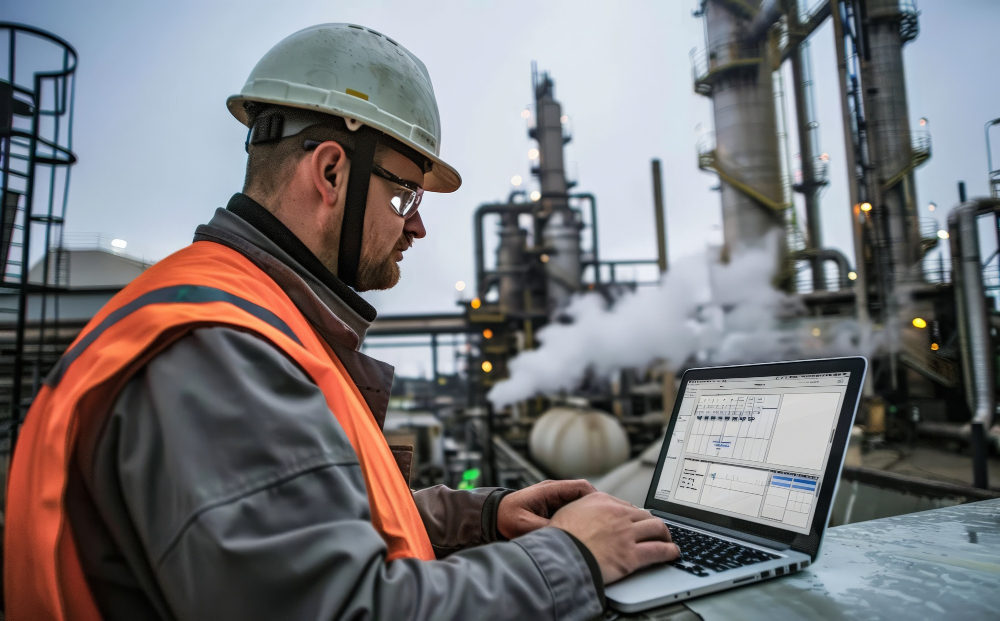
Automation refers to digital systems, connected devices, and analytical tools that operate wells, pipelines, and facilities with precision beyond traditional manual methods. Automation tools collect real-time data, execute repetitive tasks, and allow remote management of critical operations.
Key Examples of Automation Tools
AI-powered real-time sensors for monitoring flow, pressure, and temperature
Autonomous drilling control systems (ADCs)
Rugged wireless communication devices for secure connectivity in remote areas
Predictive maintenance software to prevent equipment failures
Remote surveillance and security platforms
Cloud-based dashboards for operational oversight
These tools reduce human exposure to hazardous conditions while improving efficiency, reliability, and productivity.
Key Benefits of Automation in Oil and Gas
Higher Production Output and Lower Costs
Automation reduces human error, optimizes drilling parameters, and ensures equipment operates at peak efficiency, translating to higher throughput at lower operational costs.
Improved Worker Safety
Minimizing personnel in high-risk areas reduces exposure to accidents, chemical hazards, and extreme environmental conditions.
Predictive Insights and Maintenance
Sensors and AI analytics detect anomalies early, enabling proactive interventions to prevent equipment failures or environmental incidents.
24/7 Remote Monitoring
Round-the-clock monitoring of wells, pipelines, and processing plants ensures rapid response to operational changes.
Enhanced Security
Technology-based monitoring helps prevent theft, sabotage, and pipeline breaches, a significant concern in oil-rich regions.
Environmental Sustainability
Optimized fuel use, leak detection, and emission monitoring support corporate sustainability initiatives.
Scalability for Future
Upgrades Automated frameworks allow integration of emerging technologies without massive infrastructural changes.
Where Automation Is Used in Oil and Gas
Drilling Operations
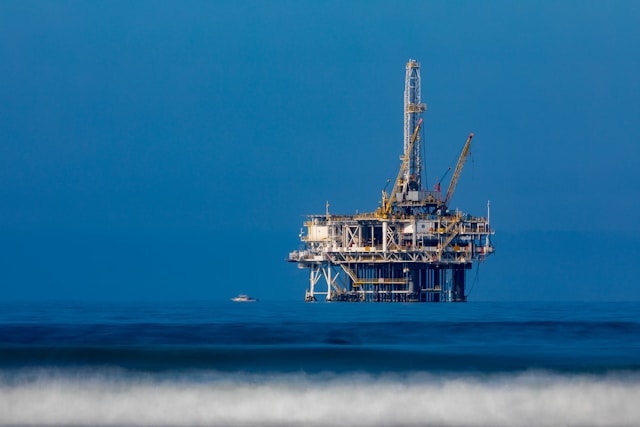
Drilling is high-risk and complex, making automated drilling systems critical for improving safety, precision, and efficiency. Modern ADCs have transformed operations by:
Reducing drilling costs by up to 50%
Adjusting drilling parameters in real time using sensor feedback
Allowing remote control rooms to oversee multiple rigs simultaneously
Minimizing human exposure to hazardous conditions
Automation ensures both economic efficiency and operational safety.
Diagnostics and Predictive Maintenance
Automated diagnostic systems continuously monitor:
Pressure and temperature fluctuations
Flow rates and chemical compositions
Contaminant and mercury levels
AI-driven predictive analytics detect patterns and anomalies, enabling interventions before failures occur.
Weather and Seismic Monitoring
Extreme environmental conditions affect operations, increasing reliance on seismic monitoring technology to manage subsurface and environmental risk. Automated systems monitor:
Tropical storms and hurricanes
Freezing or extreme heat conditions
Seismic activity and earth movement
Timely alerts allow operators to adjust operations, improving safety and avoiding costly shutdowns.
Security and Anti-Theft Monitoring
Oil theft and sabotage are global issues. Automation mitigates these risks via:
Secure wireless communications and rugged radios
Real-time pipeline pressure monitoring and alerts
Cameras and sensors for perimeter security
For example, Nigeria loses an estimated 200,000 barrels per day due to theft. Automated monitoring systems help reduce such losses while enhancing operational integrity.
Trends Shaping the Future of Automated Oil and Gas Operations
Sustainability as a Core Priority
Automation reduces emissions, optimizes energy consumption, and supports corporate environmental goals.
AI-Driven Oil Rigs
Decision-making is shifting from manual adjustments to AI-guided autonomous systems, improving precision and reducing human error.
Rising Demand for Tech Talent
Automation drives the need for:
System architects
Data scientists and analytics experts
Cybersecurity specialists
Automation engineers
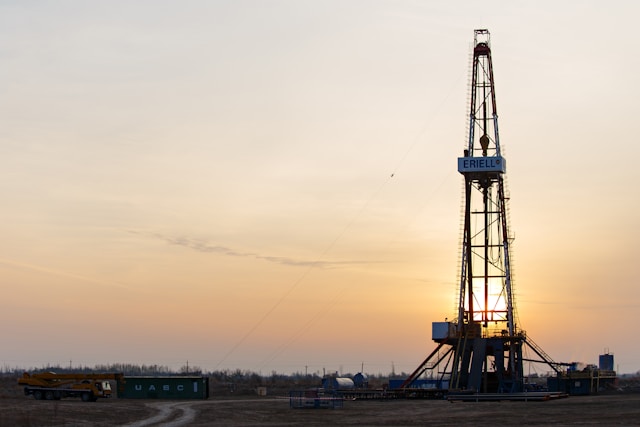
Digital oilfields powered by modern oilfield technology solutions are creating new workforce demands and career opportunities.
Conclusion
Automation in oil and gas has evolved from a competitive advantage into a fundamental necessity. By implementing AI-powered systems, real-time monitoring, predictive maintenance, and other oilfield technology solutions, companies can significantly improve safety, optimize production, reduce costs, and strengthen sustainability. As digitalization continues to transform the energy sector, automated workflows will become the standard for efficient, resilient, and profitable operations.
FAQs
What are oilfield technology solutions?
Digital and automated tools used in oil and gas operations, including sensors, AI analytics, autonomous drilling systems, and remote monitoring platforms.
How does automation improve safety?
Reduces human presence in hazardous areas, provides real-time monitoring, and prevents equipment failures.
Can automation reduce operational costs?
Yes. Systems optimize drilling, maintenance, and monitoring, lowering production costs and improving ROI.
What roles are emerging due to automation?
System architects, data scientists, cybersecurity experts, and automation engineers.
Is automation used in offshore and onshore operations?
Yes. Automation tools are applied across drilling rigs, pipelines, refineries, and both offshore and onshore facilities.

Comments