

Key Takeaways
- WTI crude oil at around $62 per barrel reflects a balanced market with rising non-OPEC supply and uncertain demand. Short-term price direction depends heavily on EIA inventory data and OPEC+ decisions, while investors can gain exposure through futures, ETFs like USO, or energy equities such as XLE. WTI crude oil is trading below key technical levels in early 2026, signaling a cautious market. You can trade it directly through futures or invest indirectly through ETFs and energy stocks, depending on your risk tolerance and time horizon.
What is WTI crude oil?
West Texas Intermediate (WTI) crude oil is the main benchmark for oil pricing in the United States. It refers to a specific grade of crude oil that is light and sweet, meaning it has low density and low sulfur content. These qualities make it easier and cheaper to refine into gasoline and other products.
WTI is delivered at Cushing, Oklahoma, which serves as a major hub for crude oil storage and pricing in the U.S. oil market. Futures contracts for WTI are traded on the CME Group under the ticker /CL, with each standard contract representing 1,000 barrels of oil.
Compared to Brent crude oil, WTI typically trades at a slight discount due to differences in transportation costs and regional supply dynamics. According to Investopedia, this spread has historically ranged between $2 and $5 per barrel, depending on market conditions.
What is the current WTI crude oil price?
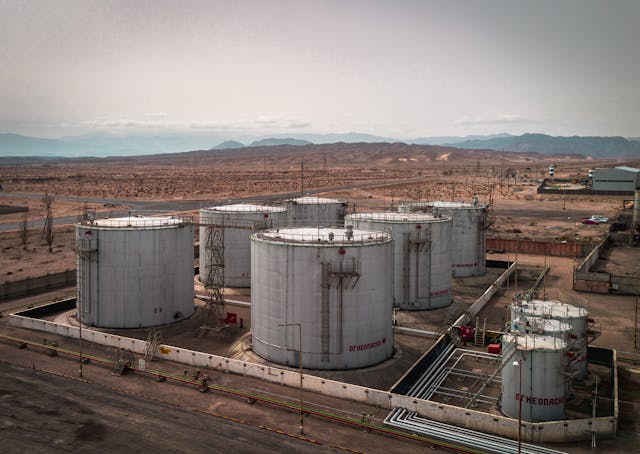
Image Source: Pexels
As of mid-February 2026, WTI crude oil is trading near $62.89 per barrel. Recent data from the Federal Reserve Economic Data shows that prices have declined from highs near $78 earlier in the year, indicating a shift in market sentiment.
This decline is largely attributed to rising production outside of OPEC, particularly from the United States and other non-OPEC producers. At the same time, demand growth has been uneven, with concerns around global economic activity influencing consumption forecasts.
Trading volume has also been lower than average, which suggests reduced conviction among market participants. Lower liquidity can increase volatility, especially when new data surprises the market.
How do you trade WTI crude oil?
WTI crude oil is most commonly traded through futures contracts on the CME Group. These contracts allow you to speculate on the future price of oil or hedge exposure.
Each standard /CL contract represents 1,000 barrels, and price movements are measured in ticks of $0.01 per barrel, equivalent to $10 per contract. For smaller accounts, micro contracts (/MCL) represent 100 barrels and provide more flexibility.
Futures trading requires margin, which acts as a performance bond rather than a full payment. Initial margin requirements typically range from several thousand dollars for standard contracts to a few hundred dollars for micro contracts, depending on market volatility and broker requirements.
Because leverage amplifies both gains and losses, risk management is essential. Many professional traders limit their exposure to 1 percent of their account per trade to avoid large drawdowns.
What are the key drivers of WTI crude oil prices in 2026?
WTI prices are influenced by a combination of fundamental and macroeconomic factors. The most important driver is weekly inventory data from the U.S. Energy Information Administration. These reports show how much oil is being stored relative to historical averages, making key factors influencing oil prices, such as inventory builds or draws, critical signals that markets react to quickly.
Production decisions from OPEC+ also play a critical role. Coordinated output cuts can tighten supply and support prices, while increased production can lead to declines. According to industry analysis from Statista in 2025, OPEC actions can shift oil prices by several dollars per barrel within days.
Currency movements also matter. Oil is priced in U.S. dollars, so a stronger dollar often puts downward pressure on prices by making oil more expensive for international buyers.
Demand factors include global economic growth, particularly in China, and seasonal trends such as summer driving demand or hurricane disruptions in the Gulf of Mexico. These variables create a constantly shifting landscape for oil prices.
What are the best ways to invest in WTI crude oil?
There are several ways to gain exposure to WTI crude oil, each with different risk profiles and capital requirements.
Futures contracts offer direct exposure
Trading WTI futures provides the most direct link to oil prices. This approach is best suited for experienced traders who understand leverage, margin requirements, and short-term market dynamics.
ETFs provide accessible exposure for retail investors
The United States Oil Fund (USO) tracks WTI futures prices and allows investors to gain exposure through a standard brokerage account. It removes the need for futures trading approval but still carries risks related to contango and roll costs.
Energy ETFs and stocks offer indirect exposure
The Energy Select Sector SPDR Fund (XLE) invests in major oil companies such as ExxonMobil and Chevron. These companies benefit from higher oil prices but also generate cash flow from diversified operations.
Individual stocks like ExxonMobil Corporation can provide dividend income and long-term growth tied to energy demand.
How does the technical outlook for WTI look?

Image Source: Pexels
WTI is currently trading near important technical levels. The 50-day moving average is acting as short-term support, while the 200-day moving average represents a key resistance level.
When prices trade below the 200-day average, it often signals a bearish intermediate trend. However, holding above the 50-day average can indicate underlying support.
Momentum indicators such as the relative strength index suggest neutral conditions, meaning the market is not clearly overbought or oversold. This reinforces the idea that upcoming catalysts, especially inventory data and policy decisions, will determine the next major move.
What risks should investors watch?
Investing in WTI crude oil involves several risks that can impact returns.
Unexpected inventory builds can signal oversupply and push prices lower
Increased production from OPEC+ or non-OPEC countries can weaken the market
Economic slowdowns can reduce demand for oil and energy products
Futures-based ETFs may lose value over time due to roll costs in contango markets
Daily price swings of several percent are common in oil markets
Understanding these risks is essential for building a resilient investment strategy.
Conclusion
WTI crude oil remains one of the most actively traded commodities in the world, with prices in 2026 reflecting a balance between growing supply and uncertain demand. While the current price near $62 suggests a cautious market, future direction will depend heavily on inventory data, OPEC+ decisions, and global economic conditions.
For investors, the choice of exposure matters as much as market direction. Futures provide precision but require experience and discipline. ETFs such as USO offer accessibility, while energy-focused funds like XLE and companies like ExxonMobil provide longer-term stability and income potential.
A diversified approach that aligns with your risk tolerance is the most effective way to navigate oil market volatility.
FAQs
What is the current price of WTI crude oil?
WTI crude oil is trading around $62.89 per barrel as of February 2026. Prices fluctuate throughout the day based on supply and demand dynamics, trading activity, and new market data such as inventory reports.
What is the difference between WTI and Brent crude oil?
WTI and Brent are the two main global oil benchmarks. WTI is primarily used in the United States and is delivered in Cushing, Oklahoma, while Brent is used internationally. Brent usually trades at a premium due to its global accessibility and seaborne transport advantages.
How much money do you need to trade WTI futures?
Trading WTI futures requires margin rather than the full contract value. Micro contracts can require a few hundred dollars, while standard contracts typically require several thousand dollars. However, traders often maintain larger balances to manage risk effectively.
What is the best ETF for investing in WTI oil?
The United States Oil Fund (USO) is one of the most popular ETFs for tracking WTI prices. It provides exposure through futures contracts and can be traded like a stock, making it accessible for most investors.
Is WTI crude oil a good investment in 2026?
WTI can be a good investment depending on market conditions and your strategy. Short-term traders may benefit from volatility, while long-term investors often prefer energy stocks or ETFs that provide more stable returns and income.

Comments