

Key Takeaways
- The current oil market environment demonstrates how supply disruptions can influence energy prices, inflation, and investment performance across multiple sectors. For energy investors, the key issue is not only where oil prices stand today, but whether supply constraints continue long enough to tighten inventories and support higher prices in the months ahead. Monitoring supply trends, export flows, and inflation data will remain essential when evaluating energy-related investment opportunities.
The global energy market continues to navigate supply uncertainty as disruptions affecting major crude oil shipping routes keep oil prices above pre-conflict levels. While prices have eased from their peak levels, energy analysts remain focused on the possibility of tighter supplies and renewed price volatility if transportation constraints persist.
According to CNBC's recent analysis of global market conditions, oil markets have spent the past several months reacting to concerns surrounding reduced access to one of the world's most important energy transit corridors. The situation has forced oil-importing nations and refiners to seek alternative sources of supply while increasing attention on energy security and inventory management.
For investors, the developments highlight how geopolitical disruptions can quickly influence commodity prices, inflation expectations, and broader financial markets.
Oil Supply Challenges Continue to Shape Market Sentiment
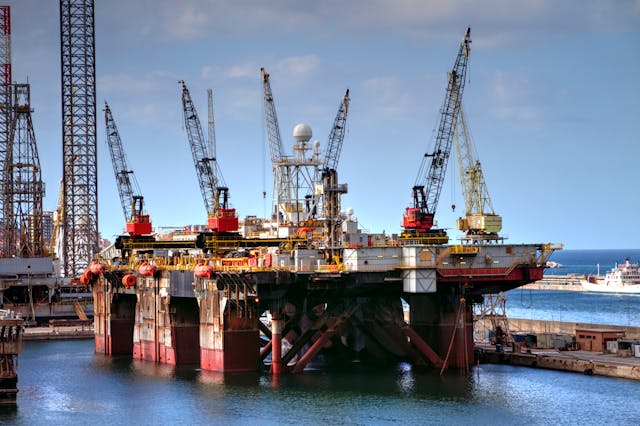
Image Source: Pexels
A significant share of the world's seaborne crude oil and petroleum products normally passes through key Middle Eastern export routes. Any disruption to these channels can reduce available supplies reaching international markets.
Although emergency measures, alternative transportation routes, and increased exports from other producing regions have helped offset some losses, market participants continue monitoring inventory levels closely.
Analysts cited by CNBC noted several factors that have prevented oil prices from moving significantly higher, including:
Increased crude oil exports from North America
Strategic petroleum stock releases
Alternative shipping arrangements
Reduced demand growth in some importing economies
Demand destruction caused by higher fuel costs
Despite these mitigating factors, concerns remain that prolonged supply constraints could tighten global inventories and place additional upward pressure on prices.
Key Factors Affecting Global Oil Supply
Factor | Potential Impact on Oil Market |
Shipping route disruptions | Reduced global supply availability |
Strategic reserve releases | Temporary increase in market supply |
Alternative export routes | Helps offset transportation bottlenecks |
Higher North American exports | Supports global crude availability |
Lower fuel demand | Reduces pressure on supply shortages |
Why Rising Oil Prices Matter Beyond the Energy Sector
Higher oil prices affect much more than energy companies. Fuel costs influence transportation, manufacturing, agriculture, aviation, and consumer spending.
When crude oil prices increase, businesses often face higher operating costs. Those expenses can eventually be passed to consumers through higher prices for goods and services, contributing to inflation.
Recent economic data from several major economies suggests that elevated energy costs have begun influencing inflation trends. Central banks closely monitor these developments because persistent inflation can affect interest rate decisions.
For investors, this relationship matters because higher inflation and interest rates can influence stock valuations, bond markets, and economic growth expectations.
Energy Stocks and Producers Could Benefit from Higher Prices

Image created by Chatgpt
While higher energy costs can create challenges for consumers and energy-importing economies, some oil and gas producers may benefit from stronger commodity prices.
Companies involved in:
Oil exploration and production
Midstream transportation
Energy infrastructure
Refining operations
may experience improved revenue opportunities when commodity prices remain elevated.
However, investors should recognize that sustained price increases can also reduce fuel demand over time, potentially limiting long-term gains.
The relationship between oil prices and energy company performance is not always direct. Production costs, hedging strategies, regulatory environments, and capital spending decisions also influence profitability.
Potential Investor Implications of Higher Oil Prices
Market Area | Possible Impact |
Oil producers | Potential revenue growth |
Refiners | Mixed impact depending on margins |
Airlines | Higher fuel expenses |
Manufacturing | Increased operating costs |
Consumer sectors | Potential pressure on spending |
Bonds | Inflation concerns may support higher yields |
Market Signals Investors Should Watch
Energy investors should continue monitoring several indicators over the coming months:
Global crude oil inventory levels
Shipping activity and transportation capacity
Export volumes from major producing regions
Inflation data
Central bank policy decisions
Global fuel demand trends
These factors will help determine whether current supply pressures remain manageable or evolve into a more significant challenge for global energy markets.
The CNBC report highlighted that although oil prices remain substantially above levels seen before the supply disruptions began, markets have avoided a more severe supply shock due to a combination of emergency measures and increased production elsewhere.
Nevertheless, analysts caution that continued inventory declines could increase competition for available supplies and create renewed upward pressure on crude prices.
Readers can review the original reporting on CNBC for additional market data, charts, and analysis.
